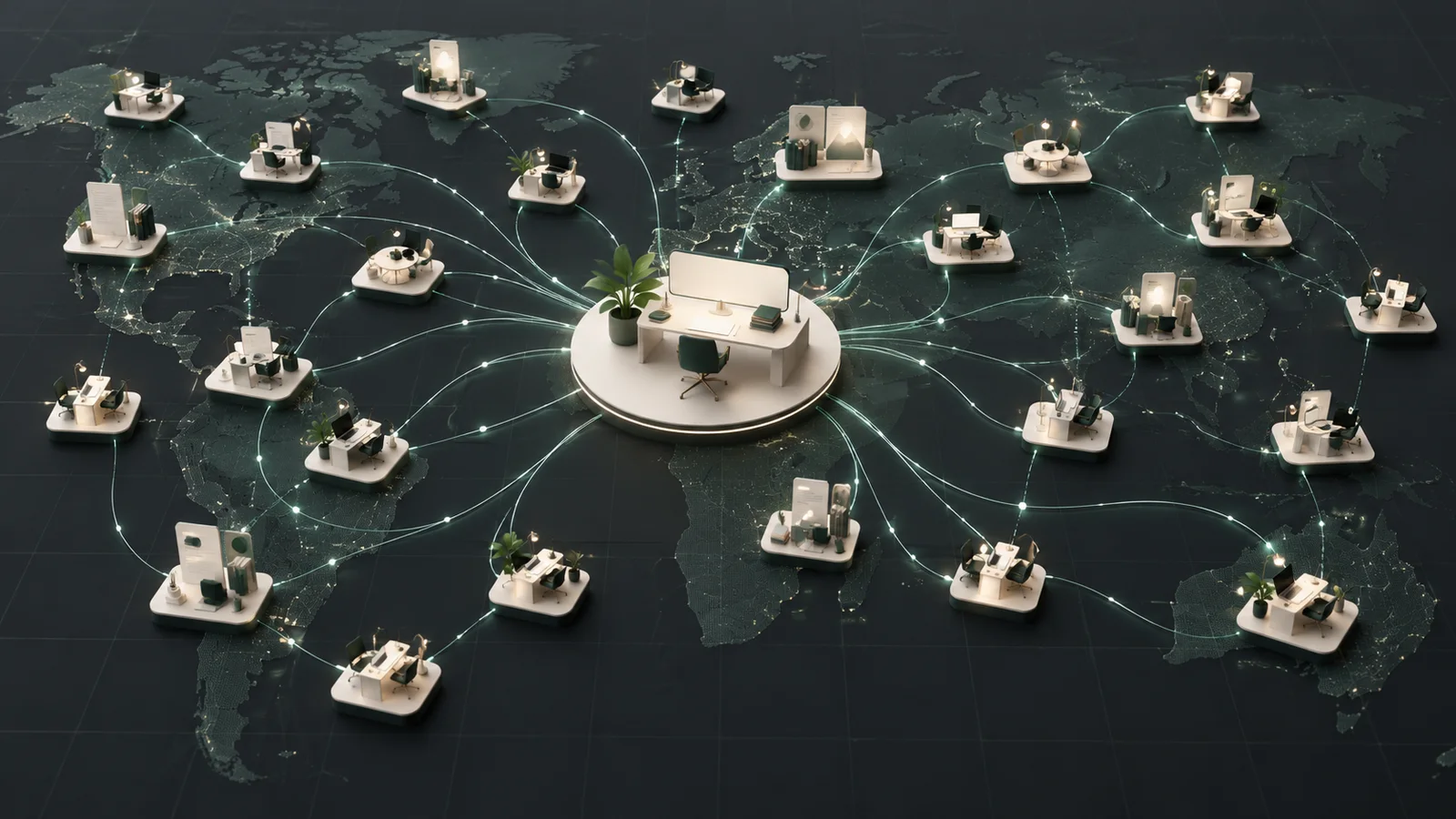
Trane connects AgentCore workflow to building telemetry
Trane Technologies built a conversational workflow that routes natural-language questions through agent logic and controlled tools to Trane Cloud telemetry, then adapts diagnostic responses to each user’s role.
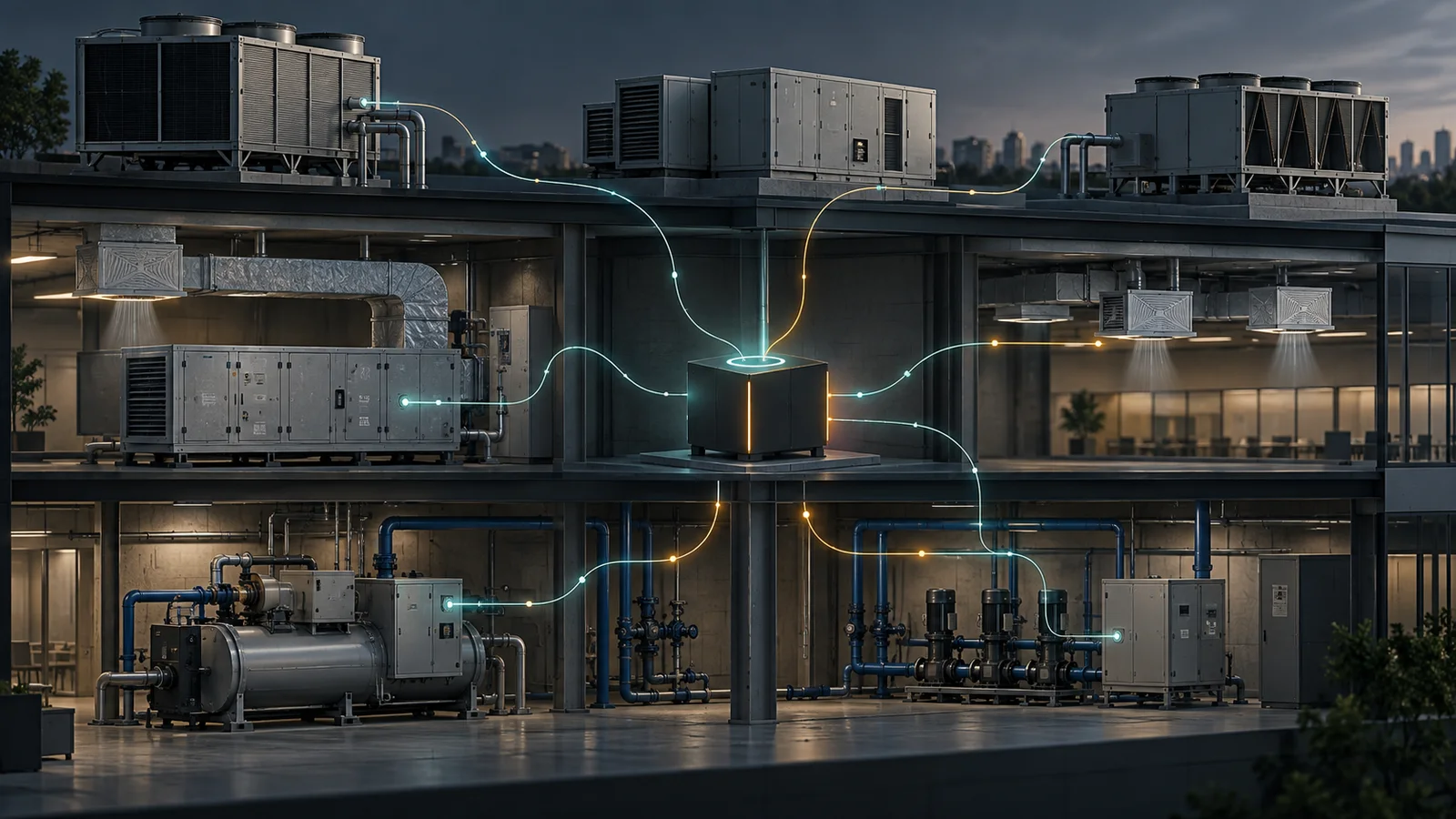
Trane Technologies built an AI agent workflow that lets technicians and building customers query connected-equipment data in natural language and receive cross-system diagnostics, according to a case study co-authored by Trane and AWS. The system connects agent logic and controlled tool execution to live Trane Cloud telemetry, then adjusts its tools and answer format to the user’s role.
In Trane’s internal benchmark with technicians over several weeks, one diagnostic workflow fell from about 20 minutes across multiple screens to about 20 seconds in the conversational interface—a 60-fold reduction in time to insight. The result has not been independently verified, and the case study does not disclose the sample size, task mix or control methodology. Trane says its engineering team built the workflow in three to four weeks, beta-tested it with internal field technicians and refined it before releasing it to external Trane Cloud customers.
From question to telemetry
A user query carrying a JSON Web Token reaches Amazon Bedrock AgentCore Runtime. There, an inbound authorizer validates the token and the memory layer adds relevant context from earlier interactions, according to the case study. The agent then calls a separate Model Context Protocol server using OAuth 2.0 machine-to-machine authentication.
That server can make parallel requests to Amazon OpenSearch Service and other connected systems. Claude models running through Amazon Bedrock synthesize the retrieved telemetry, and the application streams the response to the user with server-sent events. Trane describes Trane Cloud as the digital foundation connecting building and equipment data for monitoring, diagnostics, optimization and remote management.
The agent’s behavior and orchestration logic use the Strands framework. AgentCore provides the managed runtime, memory, tool gateway and other production infrastructure, the case study says. Trane uses AgentCore Gateway to expose internal Trane Cloud APIs as MCP-compatible tools, organized by capability domain and integrated with OpenSearch. This design keeps the tool layer separate from the user-facing agent.
AWS says AgentCore Runtime isolates each user session in a dedicated microVM with separate CPU, memory and filesystem resources, then terminates the microVM after the session. The Trane design also separates the user-facing agent from the backend MCP server that executes tool calls.
Five assistants, role-specific answers
The workflow contains five assistants with separate system prompts: Resources, Knowledge, Analytics Insights, Expert Advisor and Navigation. The case study says the Analytics Insights Assistant queries live telemetry to find efficiency opportunities, flag equipment for inspection and trace the root causes of faults.
According to the case study, dynamic policy mapping controls both the tools a person can use and the response format. A field technician can receive a step-by-step diagnostic workflow, while a building owner can receive a simplified efficiency score. The same telemetry layer can therefore support different tasks without exposing every tool or the same level of technical detail to every user.
AWS documentation says AgentCore observability traces can record processing steps, tool inputs and outputs, execution times, errors and response-generation details when tracing is enabled. Trane says CloudWatch traces helped its engineers connect repeated failures to a missing secret and verify that the failures stopped after the configuration was corrected.
Trane lists several additions as planned or in progress rather than available today: release gates based on AgentCore Evaluations, replacement of its custom authorization layer with AgentCore Policy, broader internal access through Gateway and an automated cost-savings analysis tool.
More news

IBM survey finds 80% report AI escalation, 40% cite governance changes
NVIDIA details agentic AI deployments across French industry
AWS commits $1 billion to embed AI engineers inside customer teams
 Dmytro Spodarets·Jun 30, 2026