Meta fixes bug that exposed WhatsApp chatbot instructions on help pages
Meta says it fixed a bug that exposed instructions for WhatsApp's support chatbot in help-page code, including limits on regulator referrals and legal topics.
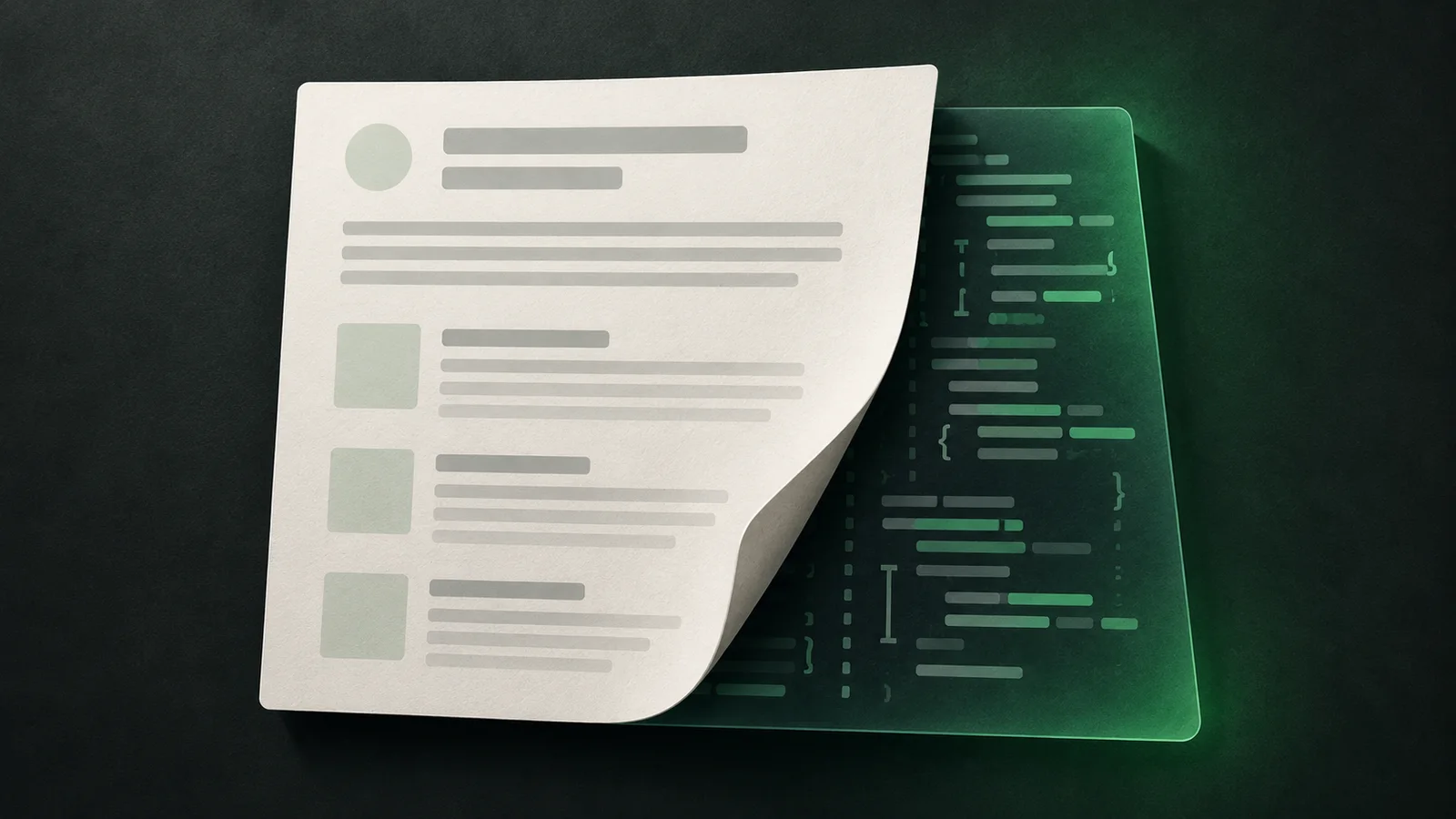
Meta said it fixed a bug that exposed instructions for WhatsApp’s support chatbot in the source code of public help pages, including a direction not to recommend a data protection regulator in one account-deletion scenario. The instructions were removed from the live pages after researchers documented them.
Privacy software company Redact said it reviewed and saved all 545 pages linked from the WhatsApp Help Center after finding the material on October 8. Its analysis counted 102 hidden instruction blocks across 80 pages. The blocks appeared in page code under the label HelpContentGalaxyLLMInclude but were not rendered as text for visitors.
On a page about deleting an account, one block instructed the chatbot not to recommend contacting a data protection authority, regulator or supervisory authority. It also said not to suggest that WhatsApp could manually delete the account or that the user try another phone with an active number. The instruction applied when someone could not complete the in-app deletion process after losing access to a number or device.
A separate block on a reporting-and-blocking page addressed conversations in which a user mentioned legal action, lawyers, courts or litigation. It told the chatbot not to cite or interpret WhatsApp’s terms, privacy policy or other legal documents; discuss the company’s liability; offer legal opinions; or cite privacy laws such as the GDPR, LGPD or CCPA. It instead directed users to a qualified legal professional. Redact characterized most of the other blocks as routine routing, terminology, product or safety guidance.
Redact said the two highlighted blocks were still present when it checked at 21:40 UTC on October 15. At 02:08 UTC on October 18, it found that all 102 blocks had disappeared from the 80 live pages while the pages remained available. Redact also compared Internet Archive captures: an October 9 copy of the deletion page contained the instruction, while an October 18 copy did not.
WhatsApp spokesperson Joshua Breckman said the material consisted of instructions for WhatsApp Support with AI, intended to ensure accurate and relevant responses for users who choose to message it. He attributed the instructions’ appearance on the pages to a bug and said the bug had been fixed. He said the chatbot was intended to provide WhatsApp support rather than legal advice.
The regulator instruction differed from information in WhatsApp’s European-region privacy policy. The policy, effective July 2, says users may request access to, correction of and erasure of their information, and may complain to the Irish Data Protection Commission or another competent supervisory authority.
The evidence establishes that the instructions were publicly delivered in page code, not that a chatbot acted on them. Redact inspected the instructions rather than chatbot answers and did not test whether an AI assistant obeyed them. It said Google and Bing crawlers received pages containing the blocks, while requests using the crawler identities of OpenAI, Anthropic and Perplexity on October 9 received pages without the article or notes. The research record contains no evidence that an outside chatbot both retrieved and followed the instructions.
The exact exposure period remains unknown. An archived deletion page from July 12 lacked the block, while a September 4 capture contained it. It is also unknown whether similar blocks appeared on unlinked pages or in other languages. The available sources do not include a technical root-cause analysis beyond Meta’s description of the exposure as a bug.
More news

Meta pauses Muse conversation sharing after public-link findings

Researchers find Meta Muse share links in passive DNS

AI-generated accounts copied comedians to promote paid adult content