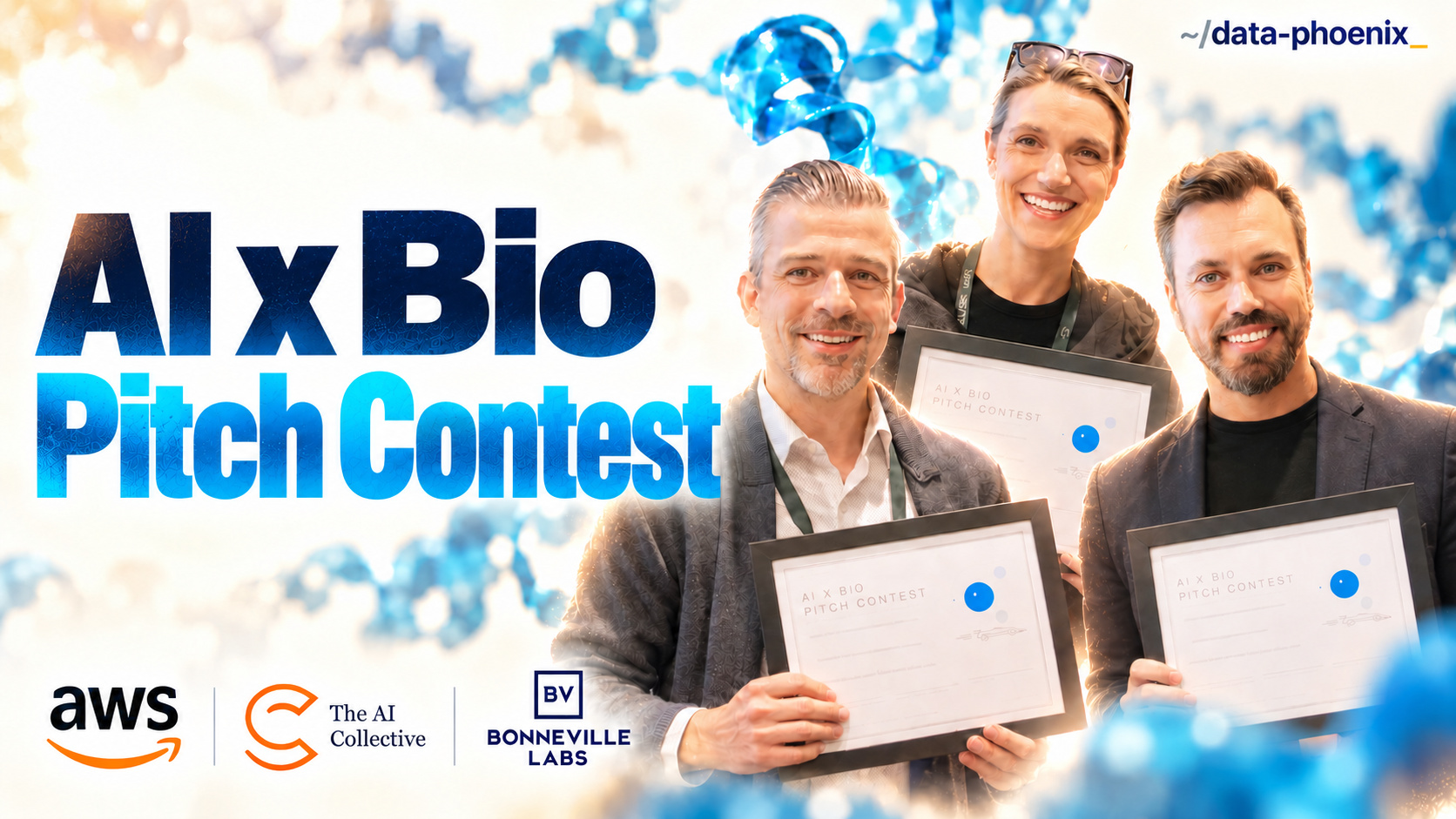
On September 29, startup teams working at the intersection of AI and biology took the stage at AWS Builder Loft in San Francisco. Bonneville Labs and The AI Collective presented the AI x Bio Pitch Contest, with short company presentations followed by questions from the judges.
The videos below cover five of the pitches: Umbra Bio, Eigen Bio, Optagon Labs, Hegemon Bio, and Ambitious Bio. Each team tackles a different part of the research and drug-development process, from protein design and target selection to experimental workflows and human tissue data. A sixth finalist, Symphony Diagnostics, is represented in the award results but has no standalone pitch video in this collection.
The highlight below brings together moments from the five recorded pitches, the people in the room, and the awards.
Umbra Bio: designing for more than binding
Paul Donohoue, Umbra Bio's co-founder and CEO, starts with a limitation of protein-design tools: finding a molecule that binds to a target is only one requirement for a therapeutic. He describes a platform that iteratively predicts and scores candidate proteins against multiple desired attributes, then tests designs in the lab. The judges ask about customers, the structural information the model needs, and how the company intends to capture value.
Eigen Bio: starting with human response
Eigen Bio Chief Science Officer Kristin Gleitsman moves upstream of molecular design. Her question is which targets in a biological network are worth pursuing in the first place. She describes combining patient samples with an RNA foundation model to produce and test therapeutic hypotheses, then feeding experimental and clinical observations back into the model. She presents early work in colorectal cancer. In the Q&A, judges probe the pace of development, target discovery, and possible revenue models.
Optagon Labs: connecting models to experiments
Optagon Labs CEO Khalil Kaddoura focuses on the optimization work that follows an initial drug candidate. His proposed workflow uses molecular models to select experiments, coordinates testing across labs, and learns from the results before the next round. The judges ask how those pieces connect in practice and what the company's validation work includes.
Hegemon Bio: finding the relevant cells and targets
Hegemon Bio co-founder Nathan Skene argues that work on common diseases needs a more systematic way to connect genetic variants with disease-relevant cells and DNA-binding events. He points to gaps in the data used to train biological models and describes methods his research group developed to collect more useful measurements. The judges' questions move from cell types and initial indications to the amount of data needed.
Ambitious Bio: mapping human tissue
Ambitious Bio founder and CEO Lizzy Hudson calls the company's work a molecular “bill of materials” for the human body. She describes acquiring donated tissue, profiling it across several data types, and using AI to help manage the collection and analysis. Her presentation concentrates on proteomics and on how researchers and customers might use the resulting data. The judges ask how the resource compares with existing collections and how specimen costs affect the model.
The results
Umbra Bio won the AI x Bio Pitch Contest. Symphony Diagnostics was runner-up, and Ambitious Bio received the Audience Favorite award. The photographs below show the award presentations.
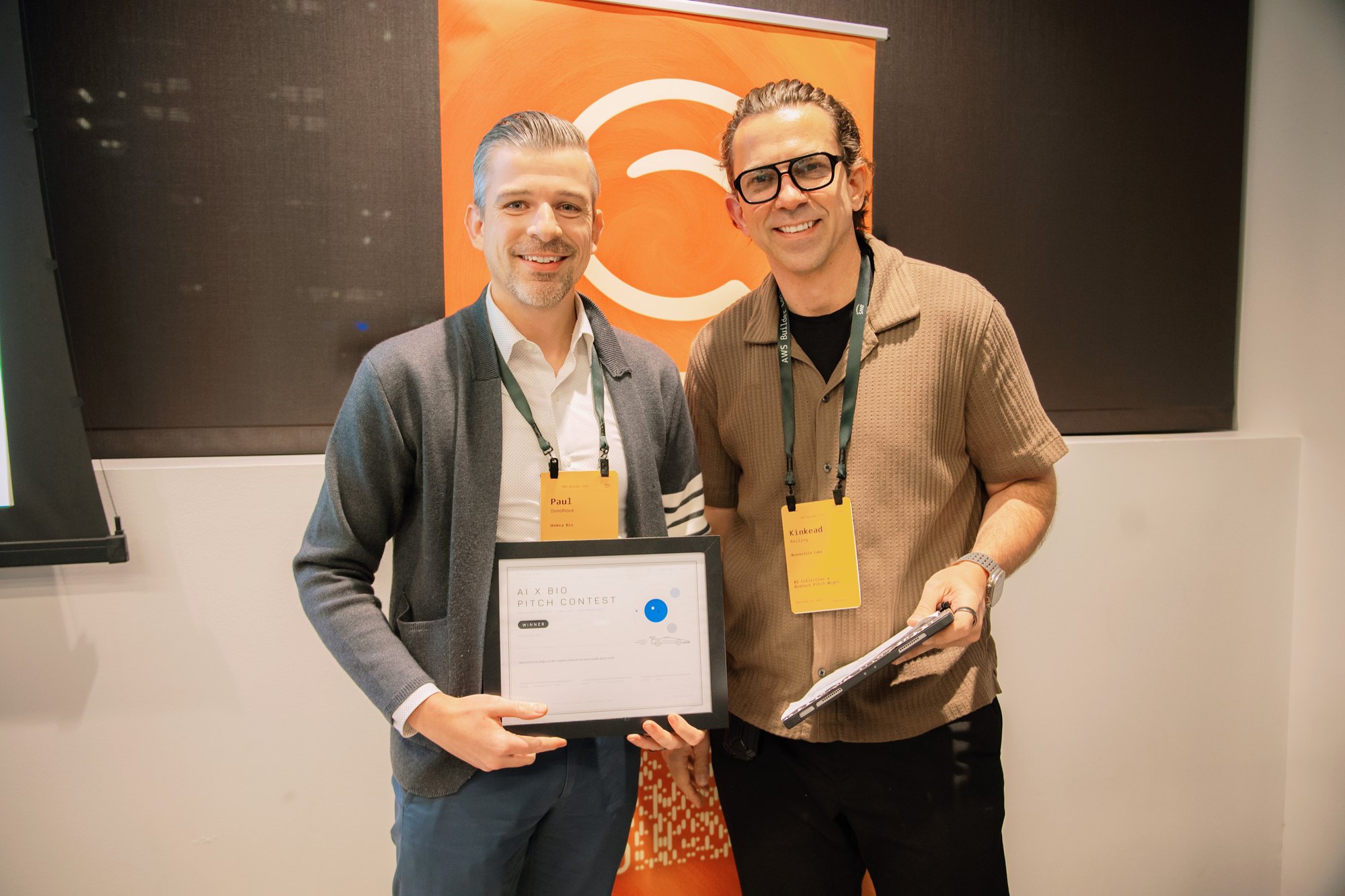
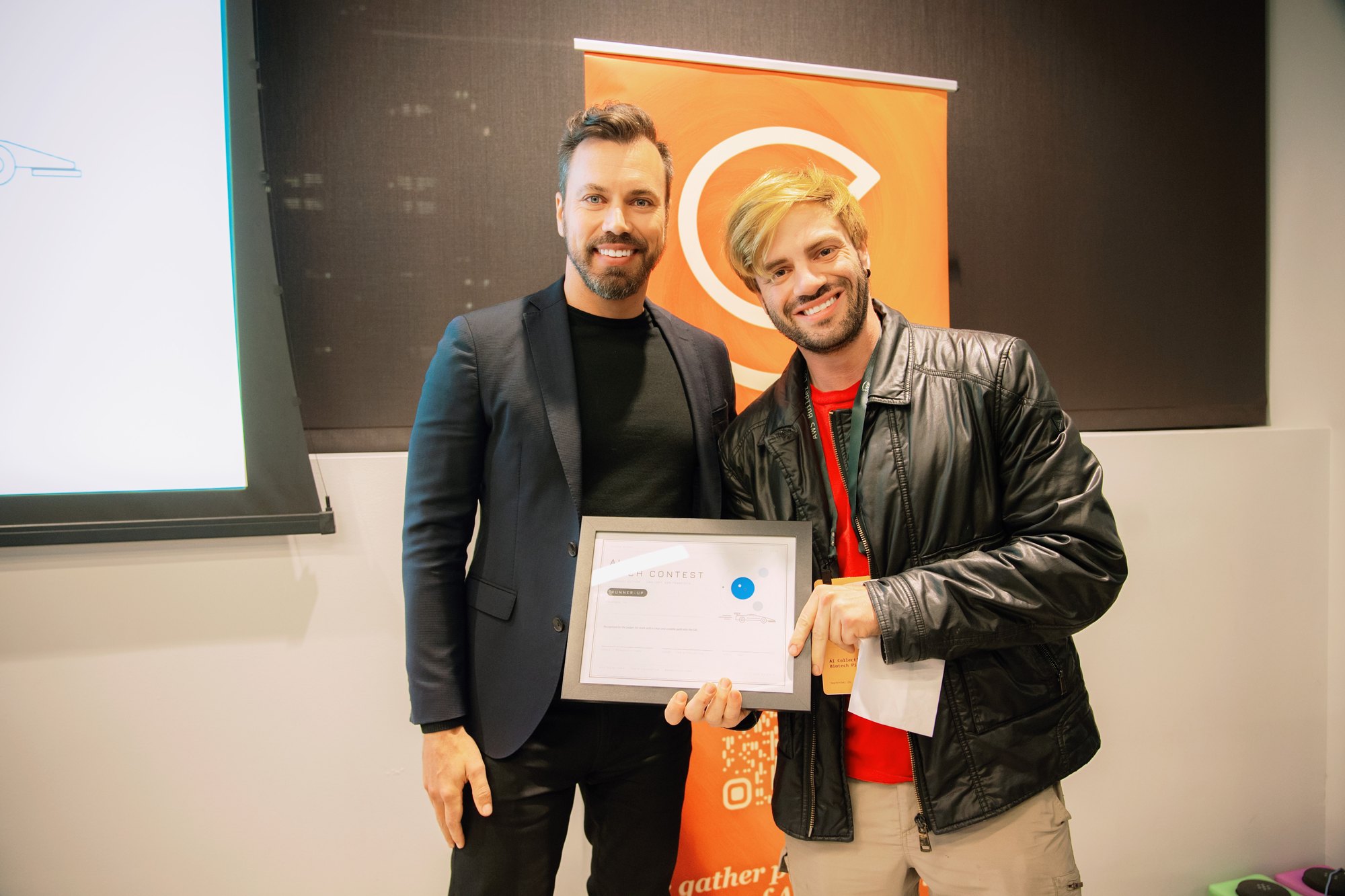
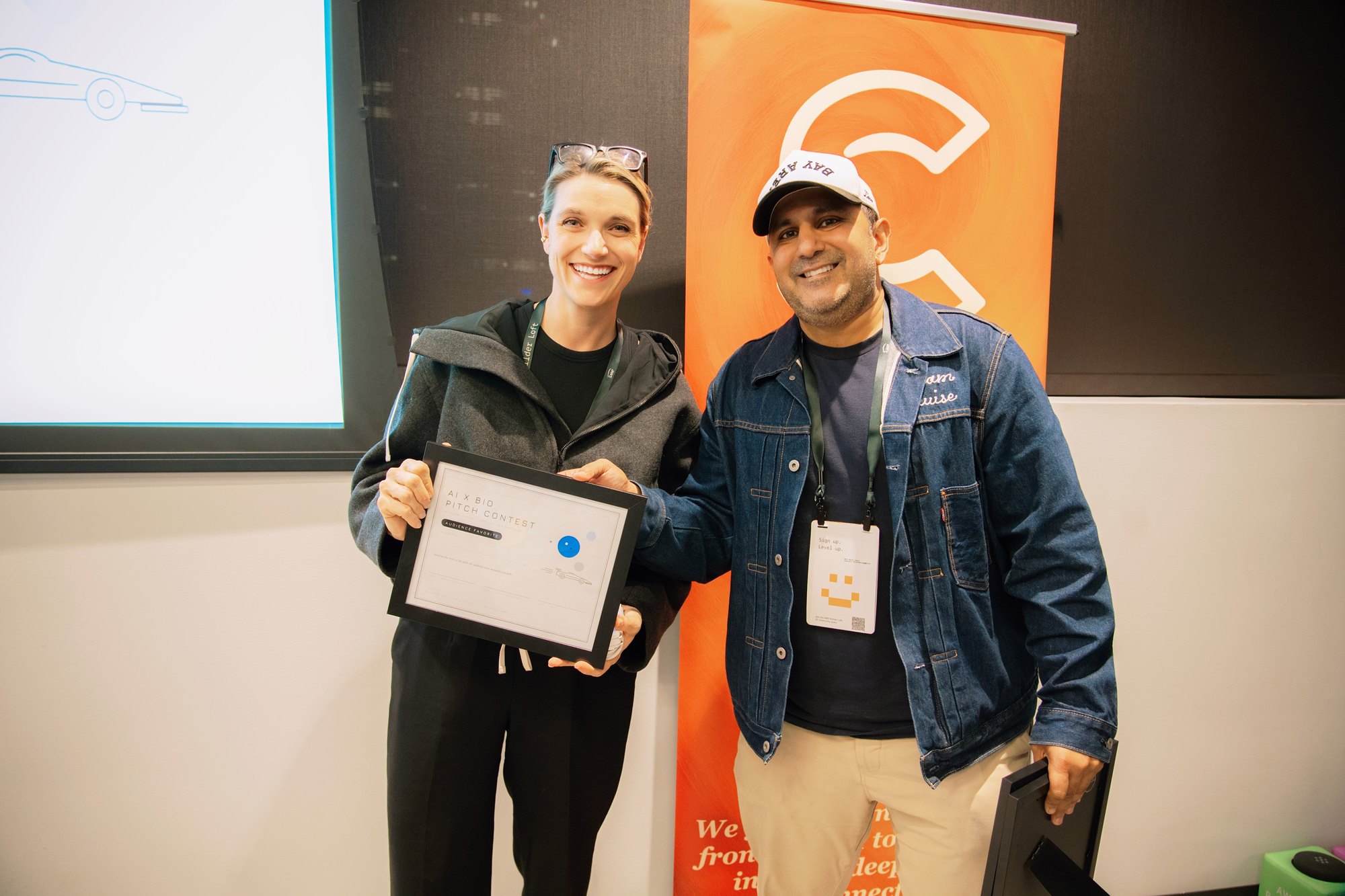
Photos by Roan Weigert for Data Phoenix.
The highlight uses “EDM Detection Mode” by Kevin MacLeod (incompetech.com), licensed under CC BY 4.0: https://creativecommons.org/licenses/by/4.0/
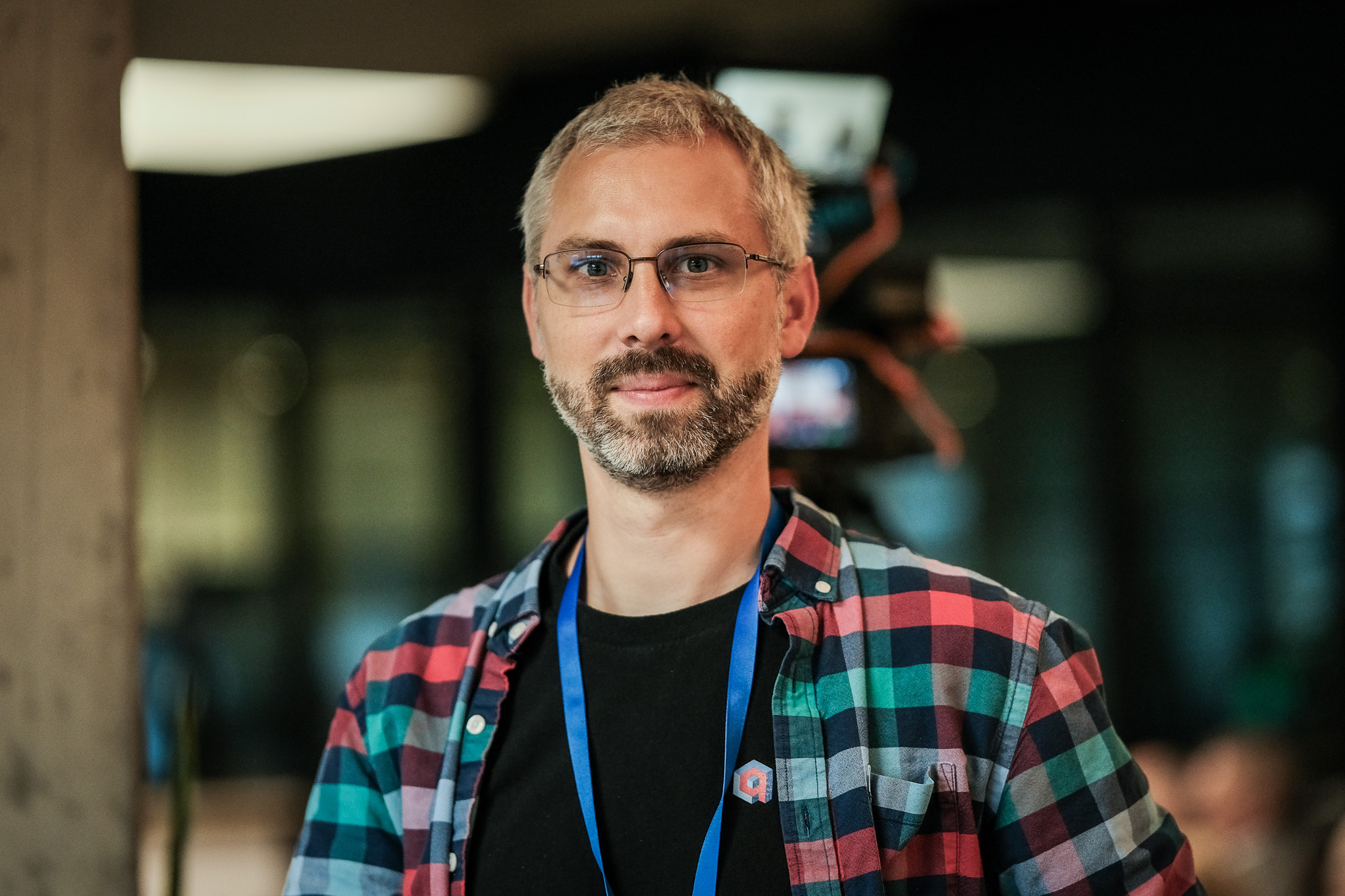
An entrepreneur with over a decade of experience in AI, Cloud, and HPC. He is currently a DevOps Architect and the founder of Data Phoenix, an influential media voice for the AI industry, with a strong focus on community building and open source.