Rutinel and Wiener win House races after AI-policy spending fight
Manny Rutinel and Scott Wiener won U.S. House races as rival AI-policy networks claimed at least $117 million in election spending, giving Congress two incoming members with established state AI-policy records.
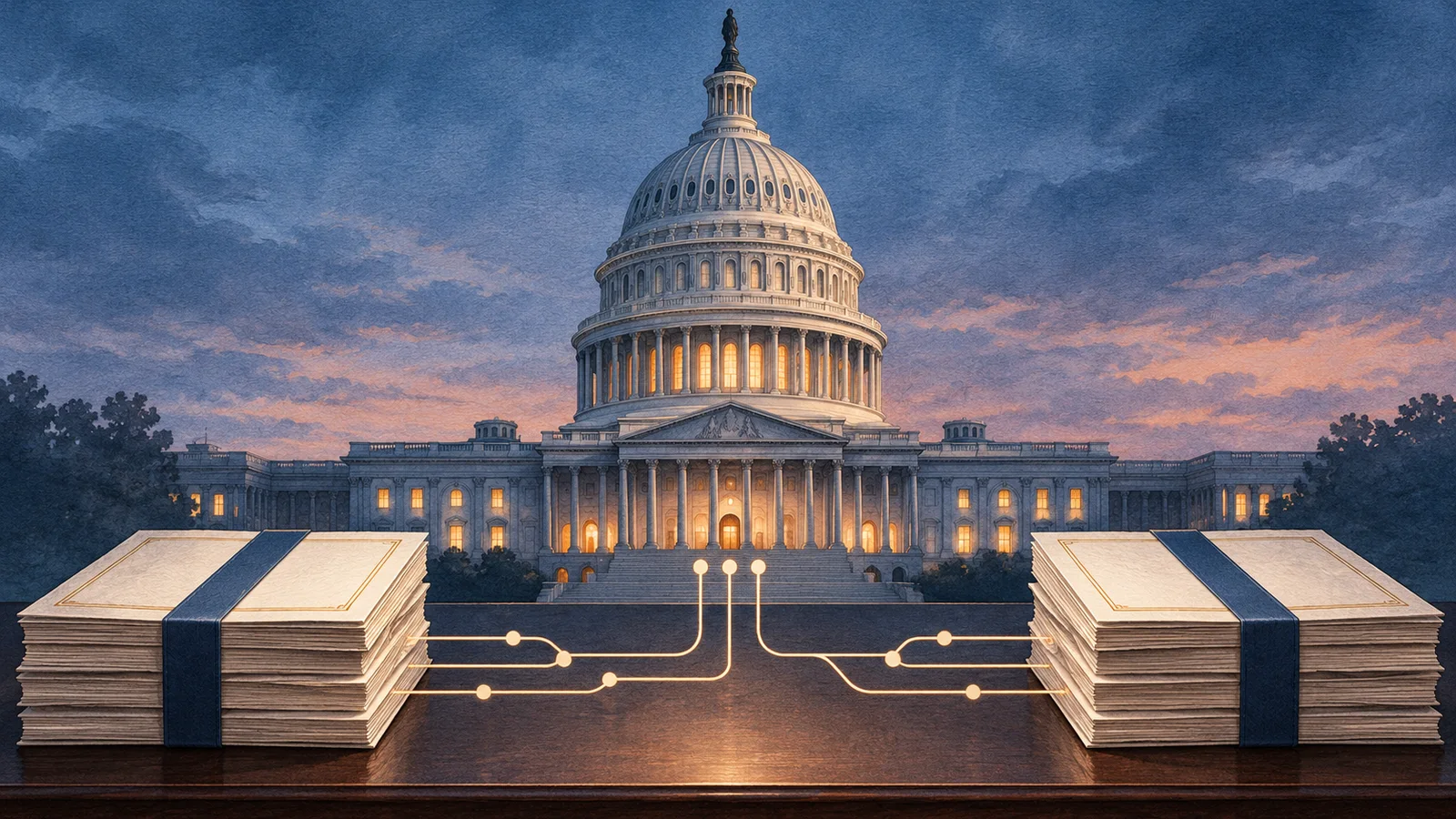
Manny Rutinel and Scott Wiener won U.S. House races in Colorado and California after a costly election fight pitting groups seeking stricter AI oversight against rivals favoring a lighter federal approach. Their victories give the next Congress two new members who have already advanced rules for high-risk or frontier AI systems.
Race calls put Rutinel ahead of incumbent Republican Rep. Gabe Evans in Colorado’s 8th District and Wiener ahead of San Francisco Supervisor Connie Chan in California’s 11th District. Democrat Brian Poindexter also defeated incumbent Republican Rep. Max Miller in Ohio’s 7th District, while Democrat Annie Andrews defeated interim Republican Sen. Darline Graham in South Carolina.
The spending totals come from the political networks and cannot be fully reproduced from the available federal committee summaries. Public First, which favors stronger AI regulation, said it spent more than $63 million and that 10 of the 17 congressional candidates it backed were elected. Leading the Future, which favors a lighter regulatory approach, said it spent at least $54 million and that 41 of its 48 supported candidates had won as of Nov. 7; two races remained uncalled then. Taken together, the claims total at least $117 million. A separate AI-policy ad campaign in Senate races also showed how stated network budgets can exceed the spending visible in current expenditure records.
Federal Election Commission records provide a partial check. American Mission reported $16.1 million in independent expenditures through Oct. 14, and Think Big reported $18.5 million. Both are associated with Leading the Future. Jobs and Democracy PAC reported $17.9 million through Sept. 30 and has been identified with Public First. Those three committee figures do not establish either network’s broader total because reporting cutoffs differ and the networks include affiliates and nonprofit entities.
Public First co-founder Brad Carson characterized the election as a rejection of industry-backed anti-regulatory efforts. That remains an advocate’s interpretation, not an established explanation for the results. The available evidence documents spending and race outcomes but does not show that AI policy determined voters’ decisions.
Rutinel enters Congress with a record tied to both enacted and unsuccessful AI bills. He was a co-prime sponsor of Colorado’s SB24-205, a 2024 law that assigns duties to developers and deployers of high-risk AI systems and addresses algorithmic discrimination. He also was a prime sponsor of HB25-1212, a frontier-model worker-protection and whistleblower bill that did not pass. His federal campaign agenda called for prompt reporting of critical AI safety incidents, independent safety reviews before major model releases and whistleblower protections.
Wiener authored California’s SB 53, the Transparency in Frontier Artificial Intelligence Act, which Gov. Gavin Newsom signed in September 2025. The law requires large AI developers to document risk-mitigation strategies and includes transparency and public-safety provisions. Wiener’s congressional technology platform proposes a federal AI safety regulator, disclosure rules for safety frameworks and critical incidents at the largest developers, more federal AI-safety expertise and research, data-center utility-cost standards, and public AI computing infrastructure.
The opened sources did not establish comparably detailed AI-policy agendas for Poindexter or Andrews.
More news

Australia plans six frontier AI duties and a new regulator
OpenAI and Anthropic back binding AI rules at UK Parliament hearing
Newsom sets California AI oversight deadlines, orders kill-switch study