AMD introduces a multi-GPU xDiT workflow for ComfyUI
A preset for the detected hardware fills in model and generation settings, and a separate node loads the model across the selected graphics cards.

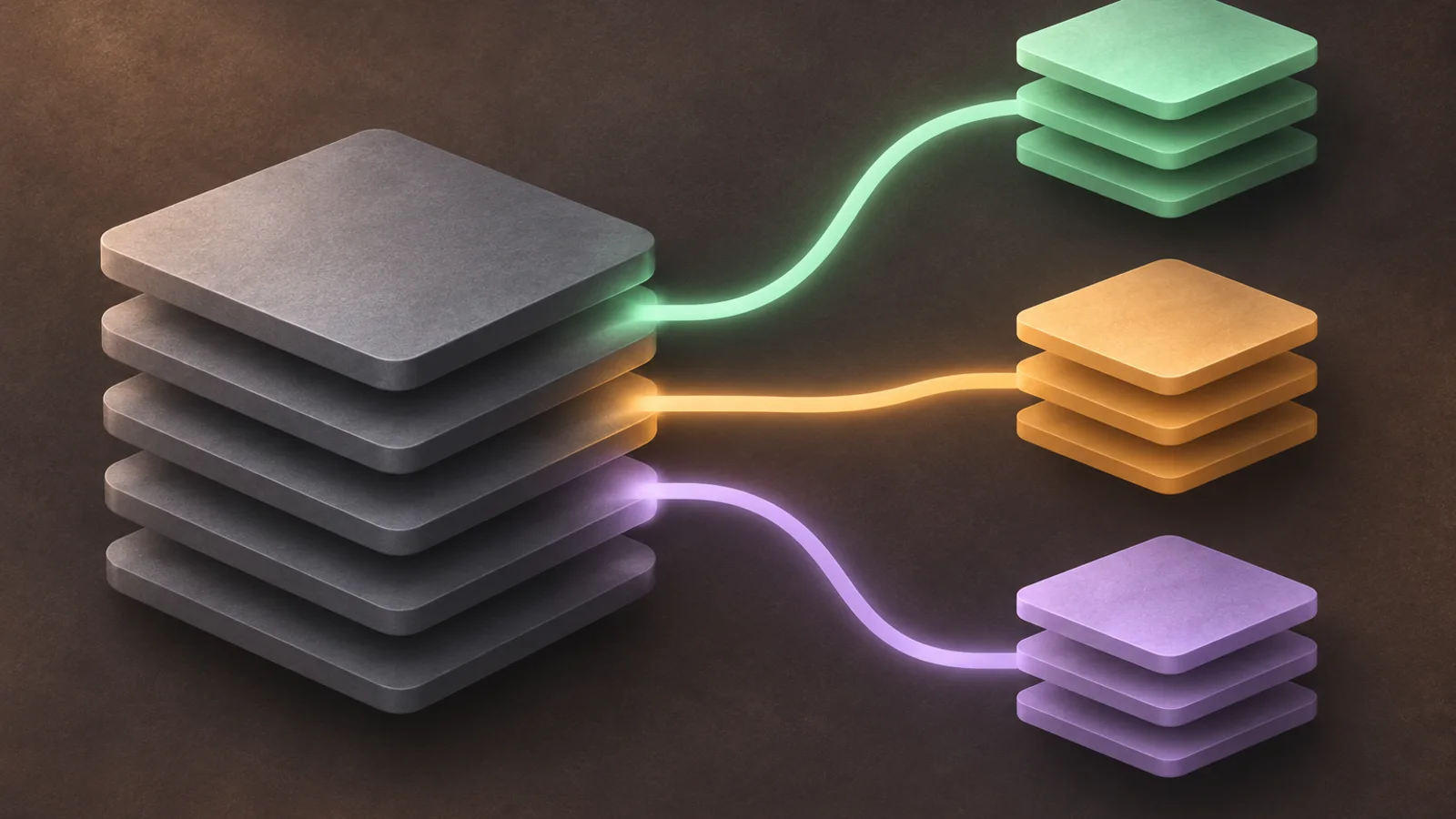
AMD introduced a multi-GPU xDiT workflow for ComfyUI in a ROCm post, showing how custom nodes can split a single supported image or video generation job across multiple GPUs. The nodes are available from the xDiT project, and AMD’s setup covers Linux systems with supported ROCm hardware.
AMD says that when the model and settings support weight sharding, xDiT stores portions of the model weights on different GPUs, letting the model use their combined memory capacity.
Users can open the bundled xDiT-Starter workflow in ComfyUI. Its xDiT Preset node shows the detected GPUs and offers presets for the selected GPU count. Each preset targets a specific model and hardware configuration and fills in defaults for xDiT Model and xDiT Sample, including which model to load, how to divide the work across GPUs, and what settings to use for generation. Users can override the defaults in those nodes.
xDiT Model starts a worker on the selected GPUs and loads the model with the configured division of work. xDiT Sample uses the loaded model, a prompt, and controls such as resolution and seed. The workflow sends the result to the corresponding image or video save node. AMD says changing only the prompt reuses the loaded model while it remains in GPU memory.
AMD illustrates the workflow with a Wan 2.2 TI2V 5B preset that generates video from a reference image using four RDNA 4 GPUs.
AMD’s recommended Docker setup adds ComfyUI and the custom nodes to an xDiT image selected for supported AMD Instinct or RDNA 4 GPUs. Users can also install the nodes manually with a pinned xDiT revision. The project requires ComfyUI 0.28.0 or newer for that path.
More news

vLLM team introduces vLLM-GR for generative recommendation

AMD details vLLM 0.29 support in Ray beta on ROCm 10.1.0
AMD and Embedded LLM report Kimi-K3 throughput within 1% across SSD and DRAM caches