Anaconda adds agent swarms and autonomous red-team testing to its platform
Anaconda expanded its platform with multi-agent development, adaptive security testing, runtime guardrails and production orchestration, moving beyond its roots in Python package distribution.

Anaconda expanded its enterprise AI platform on Tuesday, adding agent swarms, autonomous red-team agents, runtime guardrails and production orchestration. The release brings development, security testing and deployment controls to a platform best known for Python package distribution.
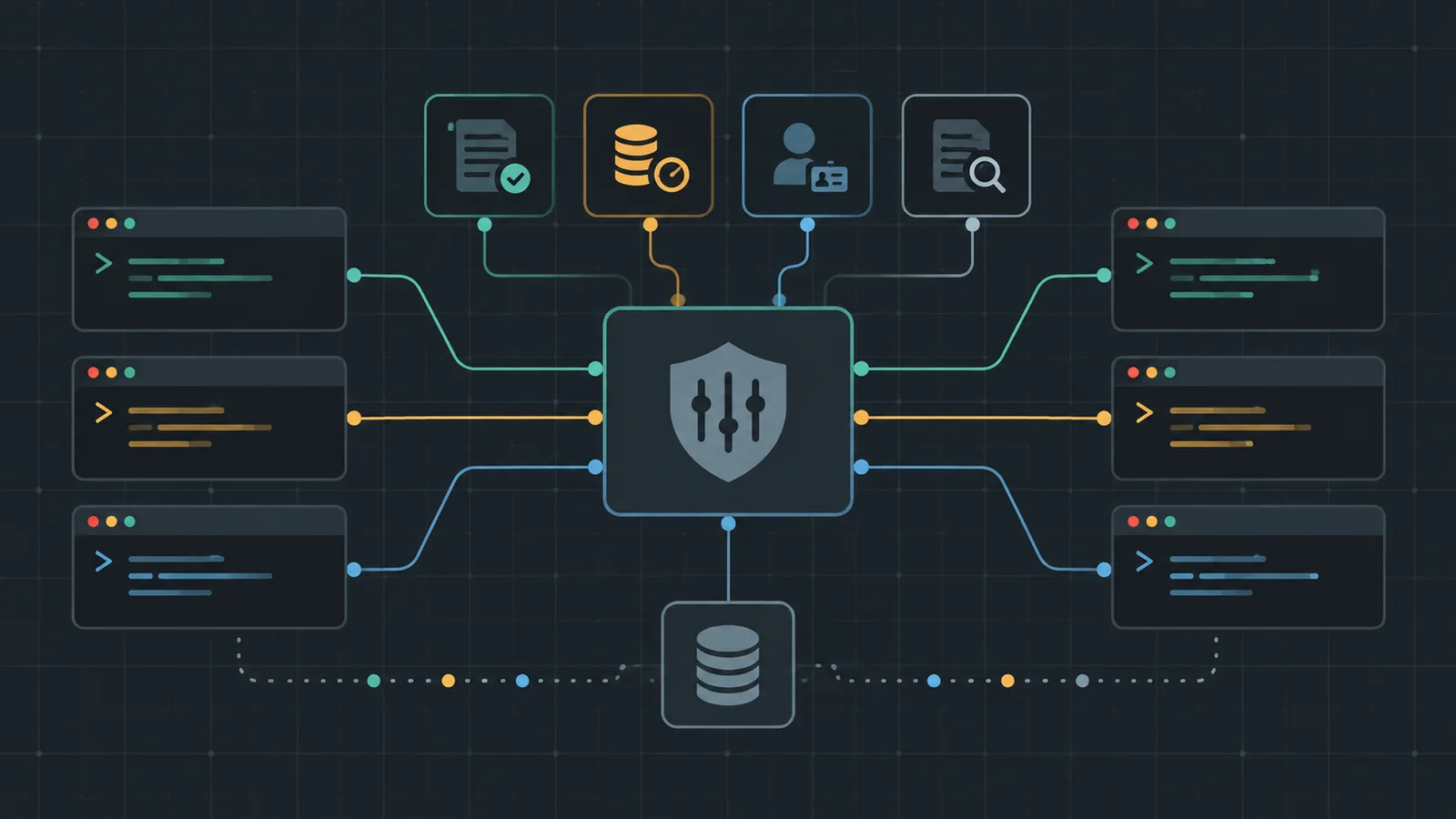
Anaconda says the Kilo workspace can coordinate multiple agents in Visual Studio Code, allowing them to work in parallel and share context. Anaconda says Kilo Desktop provides access to more than 500 AI models and 19,000 vetted packages, while its curated catalog contains 77 open-source models. The platform also extends governance to agent tool calls through the Model Context Protocol, a standard for connecting AI systems to external tools and data.
For security testing, Anaconda says its autonomous agents change tactics in response to a target, retain session memory and explore multiple attack hypotheses at once. The company says the system tests models, agents, multimodal inputs and tool calls across more than 300 attack categories. According to Anaconda’s technical explainer, findings are scored and reviewed by people before they reach customer reports. Anaconda says runtime guardrails can approve, modify or block behavior across agents, tools, retrieval-augmented generation systems and MCP connections.
Anaconda said 63% of respondents in its survey of AI-native builders were moving toward agent swarms in some form. Its announcement did not disclose the sample size, field dates, questionnaire or respondent-selection method.
The company also said Enkrypt research reported a 73% vulnerability rate after scanning more than 268,000 tools across roughly 25,000 MCP servers. The result has not been independently verified. Anaconda’s accounts give different study periods—the release says four months, while its technical explainer says two—and its materials do not consistently make clear whether the 73% rate applies to tools or servers. The company did not provide a severity breakdown or enough public data to reproduce the result.
More news

Databricks adds Meta ads MCP server to its Marketplace
Databricks launches Unity Gateway CLI to govern coding agents

Mistral adds version control for prompts and skills in Mistral Studio
 Dmytro Spodarets·Jul 9, 2026
Apple's WebKit adds a local Safari MCP server for AI coding agents to debug live pages
Dmytro Spodarets·Jul 3, 2026