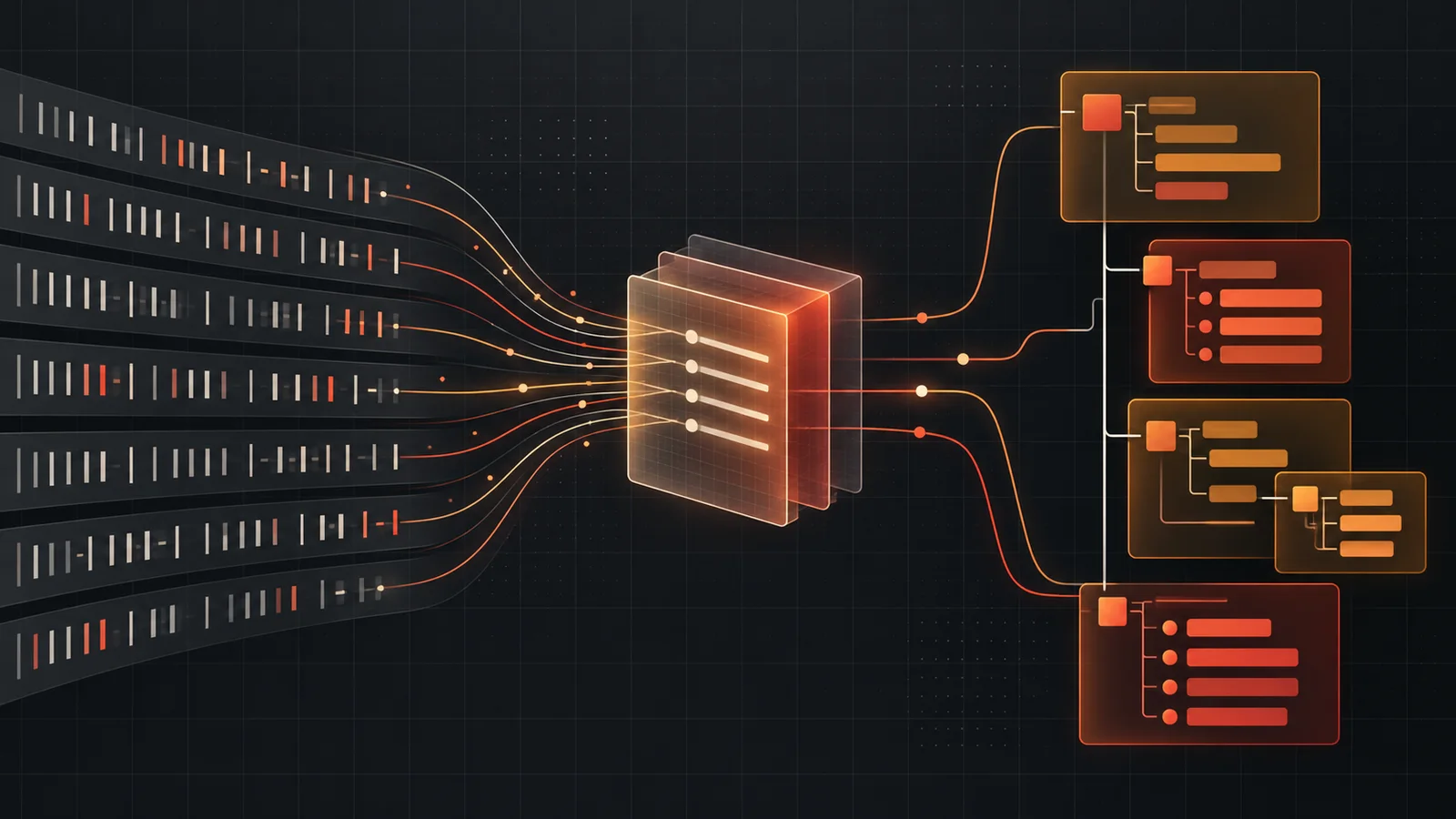
Databricks releases Consort to test agent-written code on live database branches
Databricks released Consort, a community-supported agent framework that freezes specifications, separates development roles and tests changes on isolated Lakebase branches before they pass human approval gates.
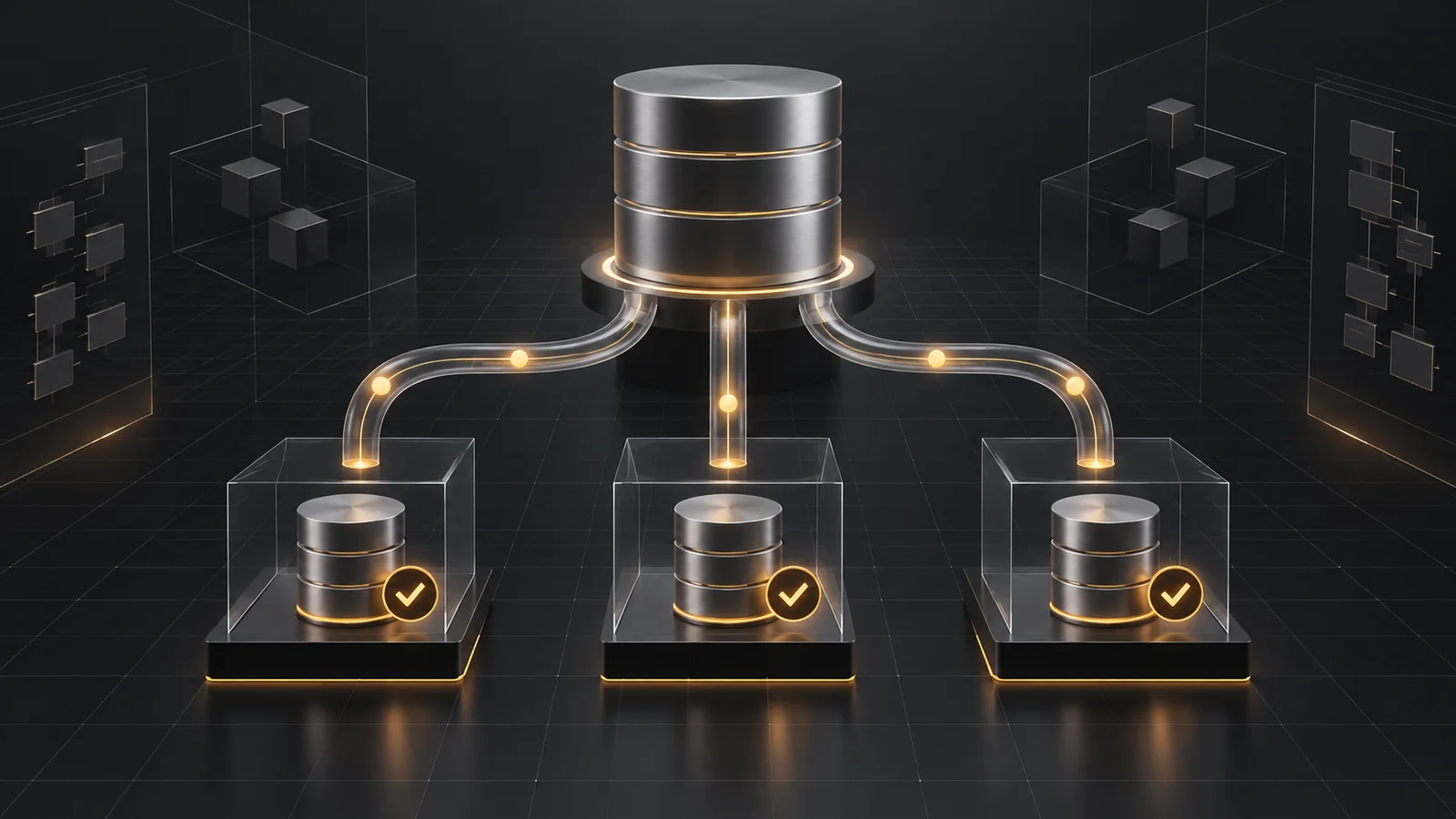
Databricks released Consort on September 9. The agentic development framework tests code and schema changes together on live, isolated database branches. It pairs each Git branch with a Lakebase Postgres branch, letting agents test against a real database instead of a mock.
The release adds to Databricks’ developer-agent tooling, which also includes a shared definition layer for coding agents. Consort is designed for transactional application backends whose system of record is Lakebase; its documentation says it is not an ETL, analytics, business-intelligence or data-pipeline tool.
Consort divides development into design and build lanes. In the design lane, separate agents prepare the specification, architecture, database design and test strategy. Before implementation begins, the project freezes the specification and ordered test list at a hashed gate, preventing the implementation target from changing during the build.
The build lane follows a red-green-refactor cycle. A Navigator agent writes a failing test and reviews the implementation; a Driver agent writes the minimum code needed to pass, then refactors it. Tests remain immutable within a unit of work. When verification fails, the workflow routes the change to a bounded repair that cannot alter the tests merely to obtain a passing result. Each test runs against the paired Lakebase branch.
A deterministic state machine, rather than another model, routes work through design, build, deployment and promotion. The conductor records workflow state and returns conflicts to the responsible role. Human approval gates at design, deployment and promotion fail closed, so work does not advance without approval.
Databricks says a VS Code plugin displays the paired code and database branches alongside a combined code-and-schema diff. The company also says an observability dashboard exposes agent turns, prompts and the artifacts passed between roles.
Databricks describes Consort as an open-source project, but the repository’s DB license limits use, modification and redistribution to work within or connected to Databricks services under the applicable agreement. According to the documentation, the project is community-supported, is not a bundled Databricks platform feature with a service-level agreement and receives best-effort support.
In an associated nine-page preprint, Kevin Hartman presents the claim that code-enforced tests and gates can make agent-written code more honest, verifiable and maintainable as a pre-registered, testable hypothesis, not an empirical result. The cited sources provide no independent benchmark, production case study, adoption figures or named external users.
More news

Databricks launches Agent Memory beta built on MemCurrent

Databricks makes multi-statement transactions generally available
Databricks expands Lakeflow Designer with data-quality and output controls