Google Earth's new Nano Banana AI can fabricate photorealistic satellite scenes
Google added a Nano Banana image generator to Google Earth on July 30, 2026, and testing found its SynthID watermark protections could be defeated.
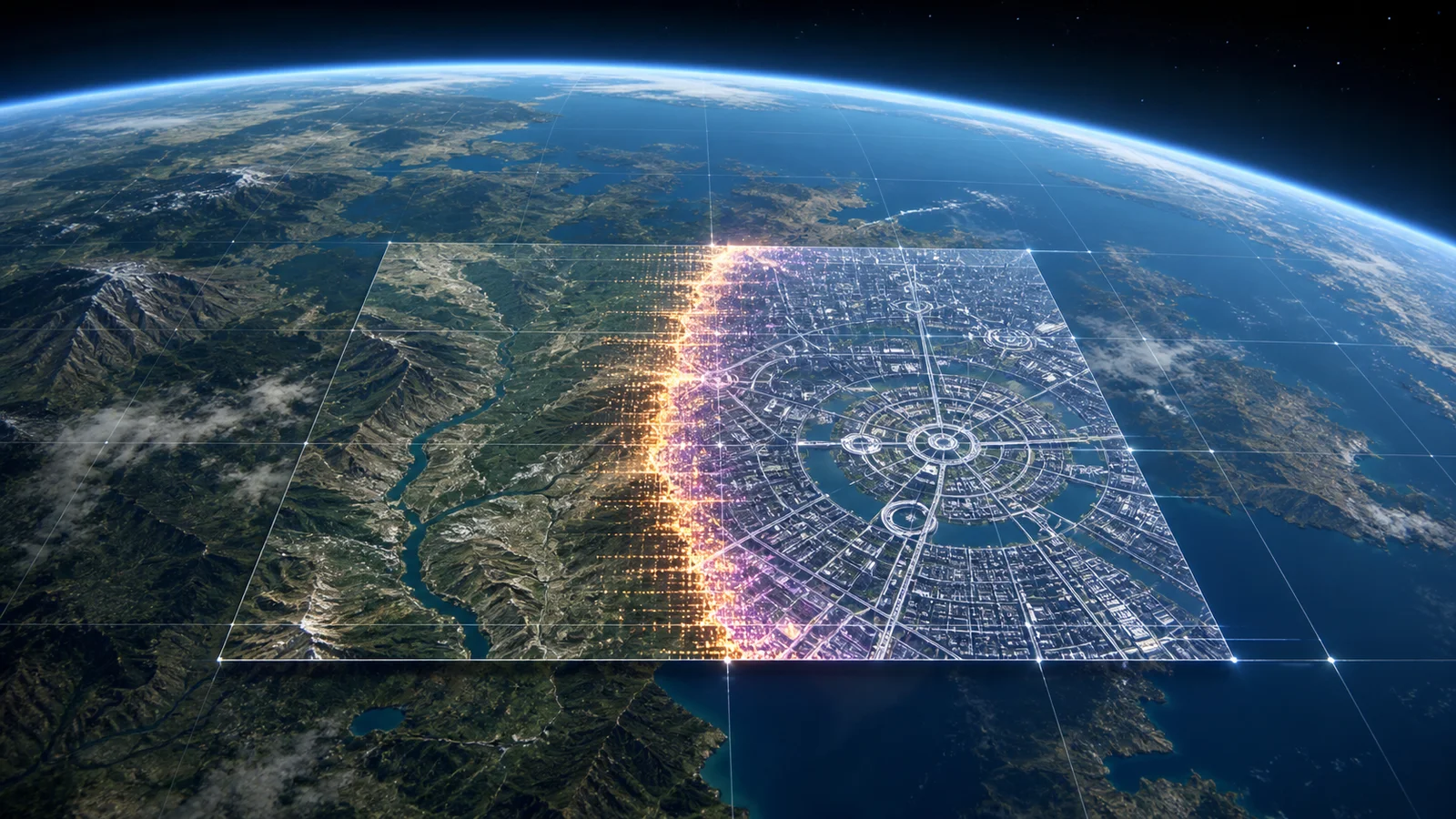
Google switched on Nano Banana, its Gemini image-generation model, inside Google Earth on the web on July 30, 2026, letting anyone type a prompt and produce a photorealistic scene of a real location worldwide.
Because the output looks like genuine satellite or aerial photography, the launch immediately raises a disinformation risk. Within a day, independent testing documented fabricated skyscrapers dropped into rural areas, a fake homeless encampment, a fabricated bomb-blast crater in Los Angeles, a nonexistent nuclear facility in Iran, fabricated refugees near the Mexico border and a staged fatal crash scene in Amsterdam.
Google says every image is grounded in real satellite, aerial and 3D data from the exact coordinates and carries two safeguards: an invisible SynthID digital watermark and a visible watermark, both checkable through the Gemini app or Google Lens. It says generation is blocked on “harmful topics,” and that images can only be saved as attachments inside Google Earth projects, not exported directly.
Those guardrails proved porous. Ben Heubl, an open-source-intelligence professional, said SynthID indicators can be overridden and called the capability “harrowing and horrific.”
The safeguards are not nothing: SynthID is designed to survive edits and stay detectable even when a visible mark is cropped, and Google limits export. But the tool reaches every Google Earth user with no gating, which pushes verification onto viewers who may never think to run a map image through a detector.
More news

Study: Some personal AI agents steer wealthier personas toward pricier options

CrowdStrike links ARTEX and LLMs to South Korean finance intrusions

Trahan releases CLAIM Act draft on AI developer liability