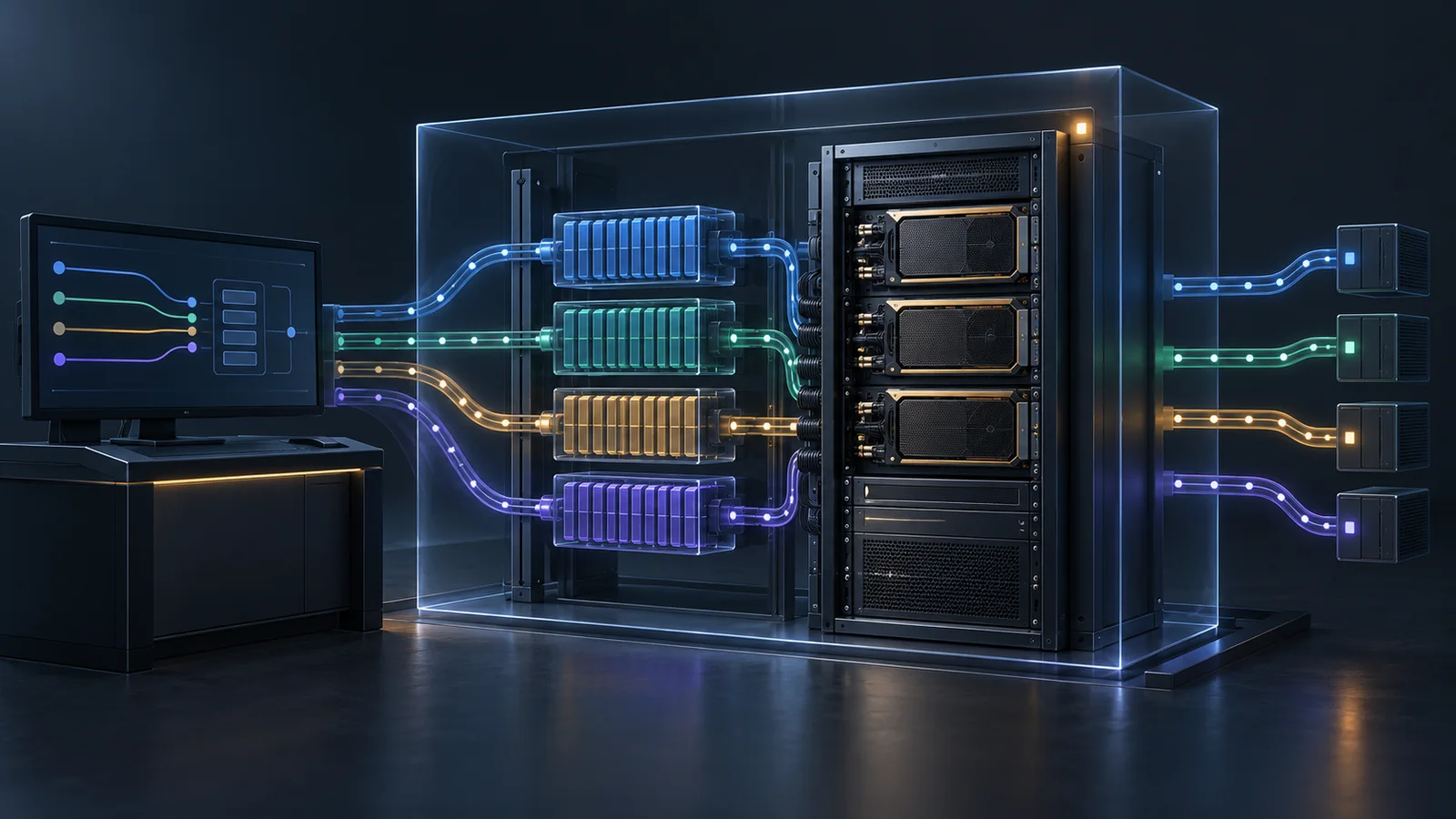
Meta sets 2027 deployments for MTIA 450 and MTIA 500 chips
Meta is lining up two in-house inference-chip deployments for 2027, targeting better energy and cost efficiency and less reliance on merchant accelerators for selected workloads.
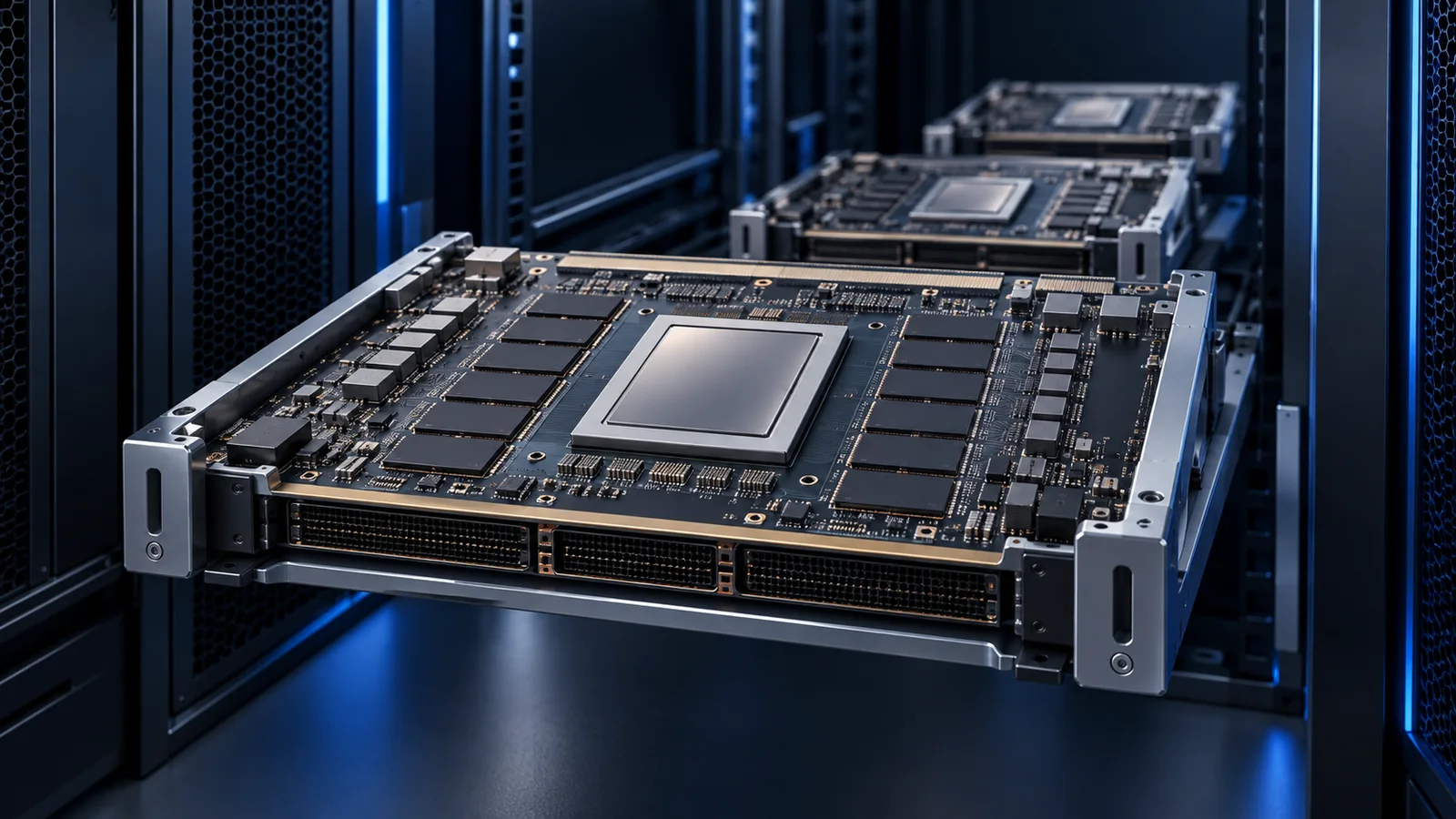
Meta plans to deploy its MTIA 450 chip at scale in early 2027 and MTIA 500 in 2027, according to the company’s published roadmap. The inference-first processors are part of Meta’s push to make running generative AI models more energy- and cost-efficient.
Original reporting on Meta’s chip plans identified MTIA 450 by the code name Arke and MTIA 500 as Astrid. It said Meta planned to begin deploying Arke in data centers in the first half of 2027 and Astrid by year-end. Meta’s public roadmap does not include those code names or the narrower rollout windows, so both details remain attributable to the original report.
The roadmap would put more chips tailored to Meta’s workloads into service, reducing its reliance on merchant accelerators for selected inference jobs. It does not mean Meta plans to stop using outside suppliers. Meta describes MTIA as one part of a diverse silicon portfolio that also includes externally sourced chips. That mix also provides context for Meta’s use of Microsoft Azure for AI-model access.
Meta says MTIA 450 doubles high-bandwidth-memory bandwidth from MTIA 400 and increases low-precision MX4 computing throughput by 75%. The company says MTIA 500 will offer 50% more memory bandwidth, up to 80% more memory capacity and 43% more MX4 throughput than MTIA 450. These figures are vendor specifications and cross-precision comparisons, not independently validated benchmark results.
According to the original report, Meta was testing Arke as of Sept. 15 and expected to finish Astrid’s design about a month later. TSMC delivered 12 Arke units on Sept. 1, the report said, and Meta’s early tests came within 2% to 3% of its simulations. Those development and test details are company-reported and lack independent benchmark confirmation in the reviewed sources.
Meta says MTIA 400, 450 and 500 share the same chassis, rack and network infrastructure, allowing each newer generation to fit the same physical footprint. It also says hundreds of thousands of earlier MTIA chips are already running internal workloads and that it develops MTIA with Broadcom. The original report identified TSMC as the manufacturer.
Meta shifted its focus to inference after canceling a planned dual-purpose training-and-inference chip code-named Olympus, according to the original report. Meta engineering vice president Yee Jiun Song said a dual-purpose design could cost about 30% more and become unacceptable at gigawatt scale. The reviewed sources offer no independent cost analysis or comparable total-cost-of-ownership figures for Nvidia or other merchant accelerators.
More news
DeepSeek releases DeepInfer inference framework as open source
Together AI says IBM Cloud B300 inference cluster is running

Antseed launches peer-to-peer marketplace for AI inference