OpenAI details Amp’s agent expansion beyond coding
OpenAI detailed how Amp connects its models to coding, planning, writing, design and voice workflows, while providing no independent data for its usage and performance claims.
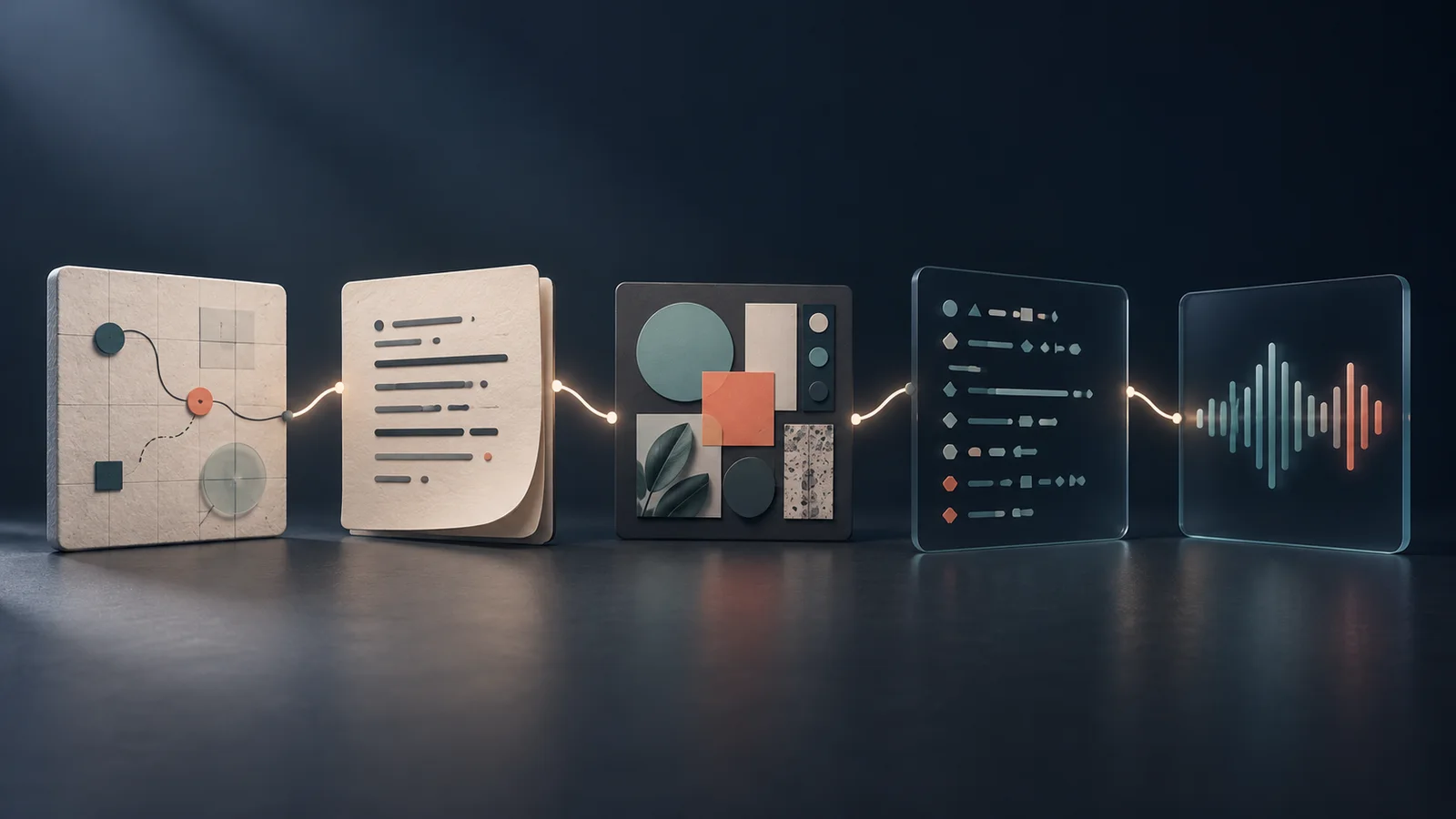
OpenAI published a customer profile of Amp on October 14 detailing how the coding-agent company uses its models for product planning, writing, design and conversational orchestration as well as software development. The deployment extends Amp’s agent workflows beyond code, though the profile provides no independent usage data or performance benchmarks.
Amp users can sign in with ChatGPT so eligible OpenAI-model usage is charged to a linked ChatGPT subscription instead of Amp credits, a mechanism also described in Amp’s Dial documentation. Amp CEO Quinn Slack told OpenAI that subscription access made users more willing to assign larger tasks and let agents work longer. The profile does not measure that behavioral effect.
OpenAI said its models account for most of the tokens used in Amp. Slack also told OpenAI that some Amp users consume 10 billion tokens a week. Neither figure came with underlying telemetry or an auditable dataset in the reviewed sources.
OpenAI reported that Amp’s 20-person team uses agents for marketing, onboarding, search discovery, documentation and page design. OpenAI and Slack attributed documentation and design-page work to GPT-6 Astra and said the output met Amp’s standards, but they did not publish a quality evaluation. Slack also told OpenAI that he supplied house plans to Astra to create a Blender model that he and his children turned into games.
Amp’s Puck documentation says the conversational interface can start, monitor, message and coordinate agents, retrieve earlier conversations and manage projects. Amp’s current model roster identifies GPT Live 1 as the model behind Puck’s real-time voice conversations. Amp separately said Puck can be used from ChatGPT, Claude and other agents through the Model Context Protocol to locate work and coordinate Amp agents.
OpenAI also said Amp has been testing GPT-6 Astra with its Ultrafast service tier. OpenAI’s Fast mode FAQ describes Ultrafast as a separate lower-latency tier for interactive and coding workloads, but the reviewed sources contain no Amp-specific latency results. Slack said the speed could reduce the need to juggle several agents or leave more time for agents to check their own work; the profile did not measure either effect.
OpenAI said Amp plans to extend its agent into work before and after coding so users can carry ideas further without manually handling every step.
More news

Jump Trading Uses GPT-6 Astra for Days-Long Quant Research
OpenAI says Third Moment runs 10,000 research agents at once
OpenAI says 1Password raised engineering productivity 20.9% with Codex