OpenAI says Third Moment runs 10,000 research agents at once
An OpenAI customer case study says Third Moment Research runs 10,000 agents at once for 36–48-hour investigations. A much larger collaborating-agent system remains a future plan.
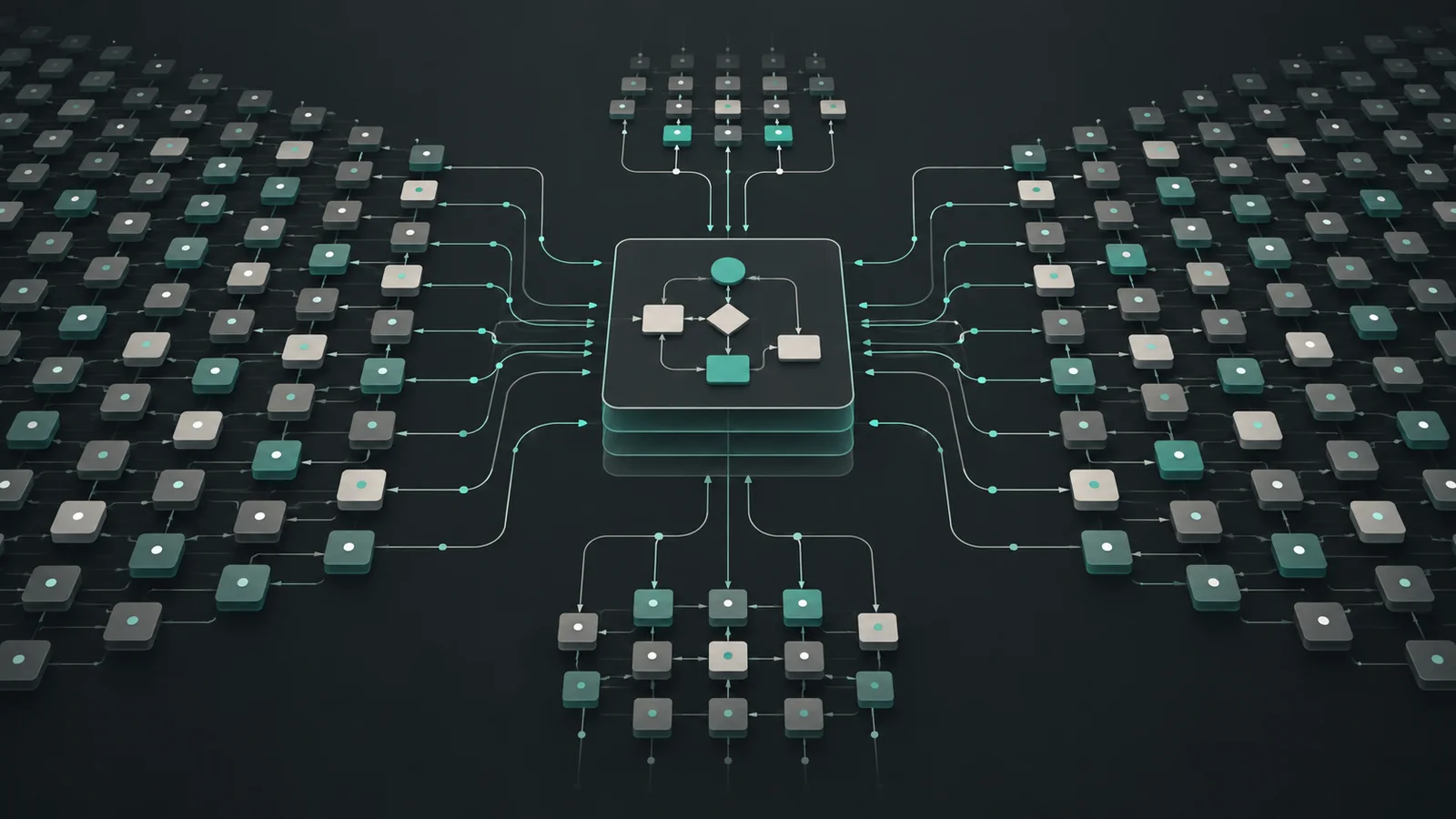
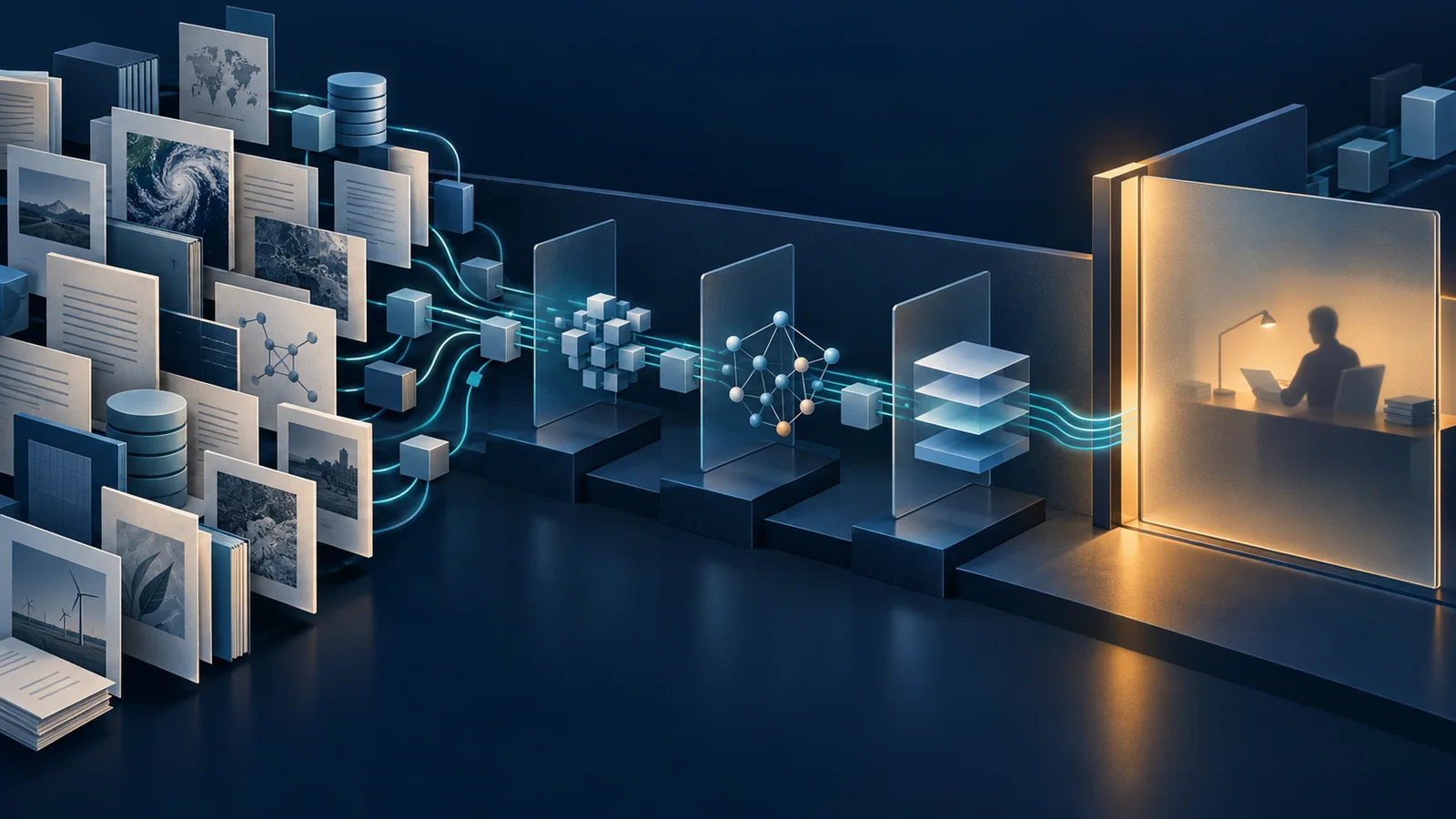
OpenAI says Third Moment Research runs 10,000 agents concurrently on autonomous investigations lasting 36–48 hours. Its disclosed design puts Codex inside an outer control harness that can retry, stop or escalate unfinished work for human review.
The figures come from an OpenAI customer case study published October 14. OpenAI did not provide independently verified deployment data, logs or a methodology for the reported concurrency and duration.
According to the account, Third Moment uses Codex, GPT-6 Astra, GPT-6 Sol and GPT-6.1 Sol for research and computational work. The company also used one trillion OpenAI tokens in a single day, OpenAI says, though the case study does not explain how that total was measured or whether the day was typical.
For quantitative-finance research, Third Moment runs the default Codex harness in a Dockerized environment with one terabyte of data, documentation and a repository containing modules for feature engineering, GPU training, trading strategies and simulation. An outer harness powered by GPT-6 Sol or GPT-6.1 Sol decides whether to retry, terminate or seek human review when work stops before completion.
A separate OpenAI case study on days-long quantitative research at Jump Trading provides context for another long-running research workflow, but does not verify Third Moment’s figures.
OpenAI says Codex found caching and memory-packing changes that cut a one-year, order-level US-equity backtest from about three hours to roughly three to five minutes. The case study calls that a 97% reduction but offers no independent performance measurements. It also attributes an improvement in Third Moment’s baseline trading system to the company’s co-founder without publishing supporting results.
Third Moment uses Daybreak before simulations to test whether an agent could escape its research environment and access the wider network, according to the case study. No findings, coverage details or pass rates are disclosed.
The company’s improvement loop analyzes agent behavior, identifies recurring weaknesses and generates thousands of synthetic scenarios around them. The company’s website describes a related managed workflow that records task trajectories, diagnoses failure modes, lets customers approve issues and ships an updated endpoint with evaluation results. That site does not state the case study’s concurrency, duration, token-use or backtest figures.
OpenAI separately describes a Third Moment plan to expand to hundreds of thousands of collaborating subagents, with trillions of tokens supporting chains of dozens of dependent experiments. The case study gives no rollout date, committed capacity or evidence that the larger system has been deployed.
More news
OpenAI details Amp’s agent expansion beyond coding
OpenAI reports 130,000 ChatGPT users and 95,000-plus Codex users at Oracle
Jump Trading Uses GPT-6 Astra for Days-Long Quant Research