Perplexity launches Frontier Research, claims access to 10,000-plus GPUs
Perplexity launched Frontier Research, a six-part initiative that it says will have access to more than 10,000 GPUs and publish papers, data, models and code.
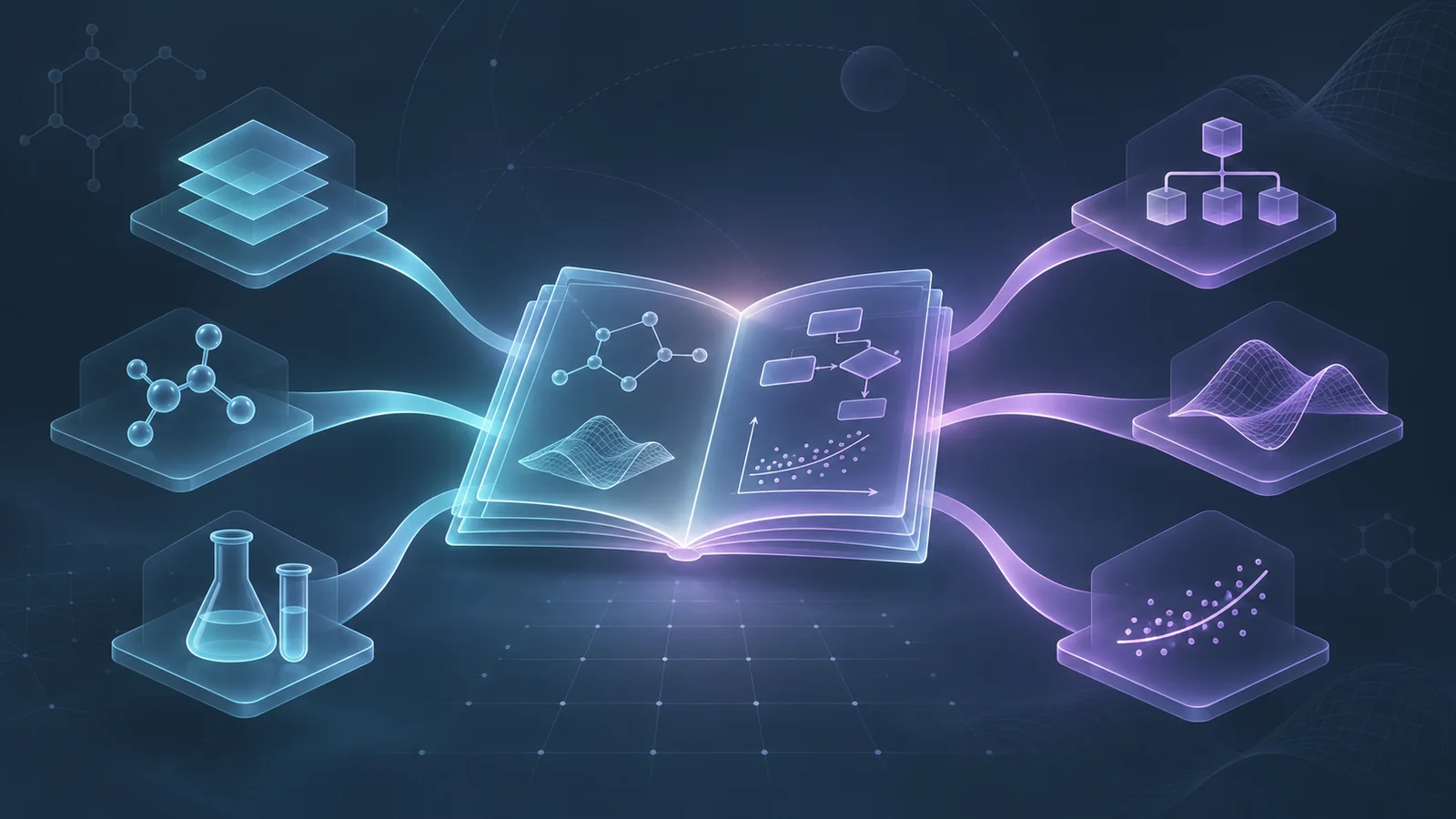
Perplexity launched Frontier Research, a research initiative that the company says will have access to more than 10,000 GPUs. The program will develop algorithms, models and evaluations. Perplexity plans to feed the findings into its products and publish papers, blog posts, data, models and code.
The initiative’s research agenda spans six areas: multi-agent orchestration, pre-training, continual learning, reinforcement learning, systems and frontier evaluations. Multi-agent orchestration coordinates several AI systems with different roles, such as finding evidence, proposing experiments or critiquing a hypothesis.
Perplexity describes an automated research scientist as the program’s long-term goal, not a system it has already built. In its proposed research loop, a system would choose a question, review evidence and gaps, form and test a hypothesis, revise its conclusions and repeat the process.
The company says Frontier Research will have access to more than 10,000 GPUs and that its findings will be tested in a product used by millions of people. Its launch materials do not identify the GPU models, vendors, locations or ownership arrangements. They also provide no methodology for the product-user figure.
Perplexity says the initiative will be open by default, with outputs including papers, posts, model weights and open repositories. Its other public technical work includes the BrowseSafe++ benchmark for browser-agent prompt injection. The Frontier Research site presents linked earlier papers, models and code as examples of existing work, not as results produced by the new initiative.
The company is recruiting for Frontier Research in San Francisco, Palo Alto, New York and London. Its site lists a December 5 priority application deadline and separately advertises predoctoral and postdoctoral research fellowships.
More news
Microsoft introduces Azure Catalyst and agent infrastructure tools

Fountain launches Orchestra agent builder for frontline workforce teams

AWS explains AgentCore memory path for Bedrock agentic retrieval