Microsoft introduces Azure Catalyst and agent infrastructure tools
Microsoft introduced Azure Catalyst for application, data and infrastructure modernization alongside separate Azure capabilities for isolated agent execution, networking, context reuse and distributed deployment.
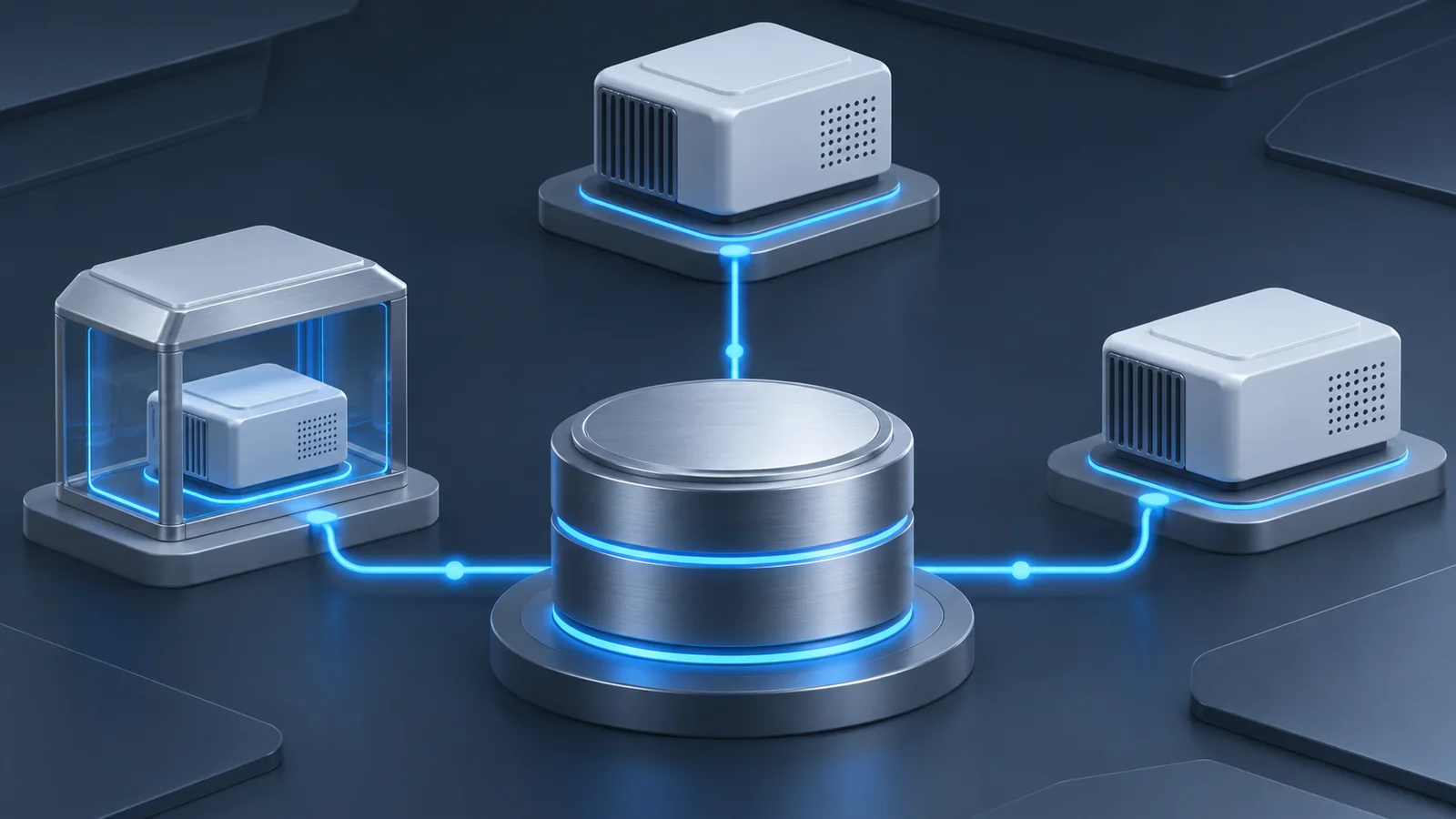
Microsoft introduced Azure Catalyst as an agent-led product for modernizing applications, data and infrastructure. Alongside it, the company unveiled separate Azure tools for building and operating AI agents. The rollout spans generally available controls, public and limited previews, and components whose availability remains unspecified.
Azure Catalyst brings Azure Migrate and GitHub Copilot modernization into one experience. Its workflow moves through Discover, Decide, Design and Execute, with agents mapping dependencies across an organization’s technology estate into code so IT and developer teams can work from shared context. It covers assessment, planning, migration, application and database transformation, and code intelligence. Azure Catalyst is not the umbrella name for the agent-runtime infrastructure announced alongside it.
Microsoft listed public-preview Catalyst additions for planning SQL migration waves, discovering and sizing MongoDB estates, assessing file and network-attached storage migrations, evaluating Oracle-to-PostgreSQL moves, assessing containers for Azure Kubernetes Service or Azure Red Hat OpenShift, modernizing BizTalk applications to Azure Logic Apps, and assessing applications together with their databases. It marked governance rulebooks, bring-your-own-model support and direct migration of eligible virtual machines to Trusted Launch as generally available.
On the runtime side, Microsoft announced an Agent Sandbox extension for AKS to manage isolated sandboxes and pre-warmed pools for agent-generated code. Customers can use Kata microVM isolation on their cluster nodes or a serverless runtime backed by Azure Container Instances. Microsoft described the Agent Sandbox extension, a Pod Snapshot cluster extension and a new Kata isolation runtime class for pod sandboxing as preview capabilities.
Pod Snapshot is designed to save a supported pod’s memory and process state to Azure Blob Storage and restore it on demand. That feature is distinct from the separately announced context-reuse capability, which Microsoft said would let long-running agents reuse processed prompt context instead of recomputing it on GPUs. Microsoft said the cached context remains in the customer’s Azure tenant, but it did not give the capability a product name or availability stage.
Microsoft announced Agent Grid as another separate component. The company said it provides authenticated and encrypted connections among agents, models, tools, data and Azure services, with identity-driven policy and default-deny network isolation. The company did not state an availability stage for Agent Grid in the announcement.
For model placement, Microsoft said AKS AI Manager evaluates workload requirements, GPU and virtual-machine performance, topology and current fleet capacity when choosing infrastructure. Deploying open-weight Microsoft Foundry models to customer-operated AKS clusters and running Foundry hosted agents on those clusters are limited-preview options. Under the hosted-agent arrangement, Foundry manages the agent lifecycle, while the customer continues to operate the cluster, node pools, networking, registry and storage.
The products form part of Microsoft’s broader Ignite 2026 announcements. In its Azure Ignite overview, Microsoft positioned Azure Local and preview AKS flex nodes as ways to extend compute beyond Azure regions, Foundry as the model and agent layer, and Azure Arc as the management and governance layer.
Microsoft also said 1.4 million applications have been modernized and that Levi Strauss deployed more than 1,000 agents across modernized systems. It also cited faster modernization work at Microsoft Quantum, Xbox and Intune. Those adoption and performance figures are company claims and were not independently substantiated in the available source set.
More news
Perplexity launches Frontier Research, claims access to 10,000-plus GPUs

Fountain launches Orchestra agent builder for frontline workforce teams
AWS explains AgentCore memory path for Bedrock agentic retrieval