TrustedRouter launches two fusion services and a multi-model router
TrustedRouter has introduced Prometheus 4.0, Liberty 4.0 and Polyphemus 1.0, but its own documentation undercuts an unconditional US-provider claim for Liberty.
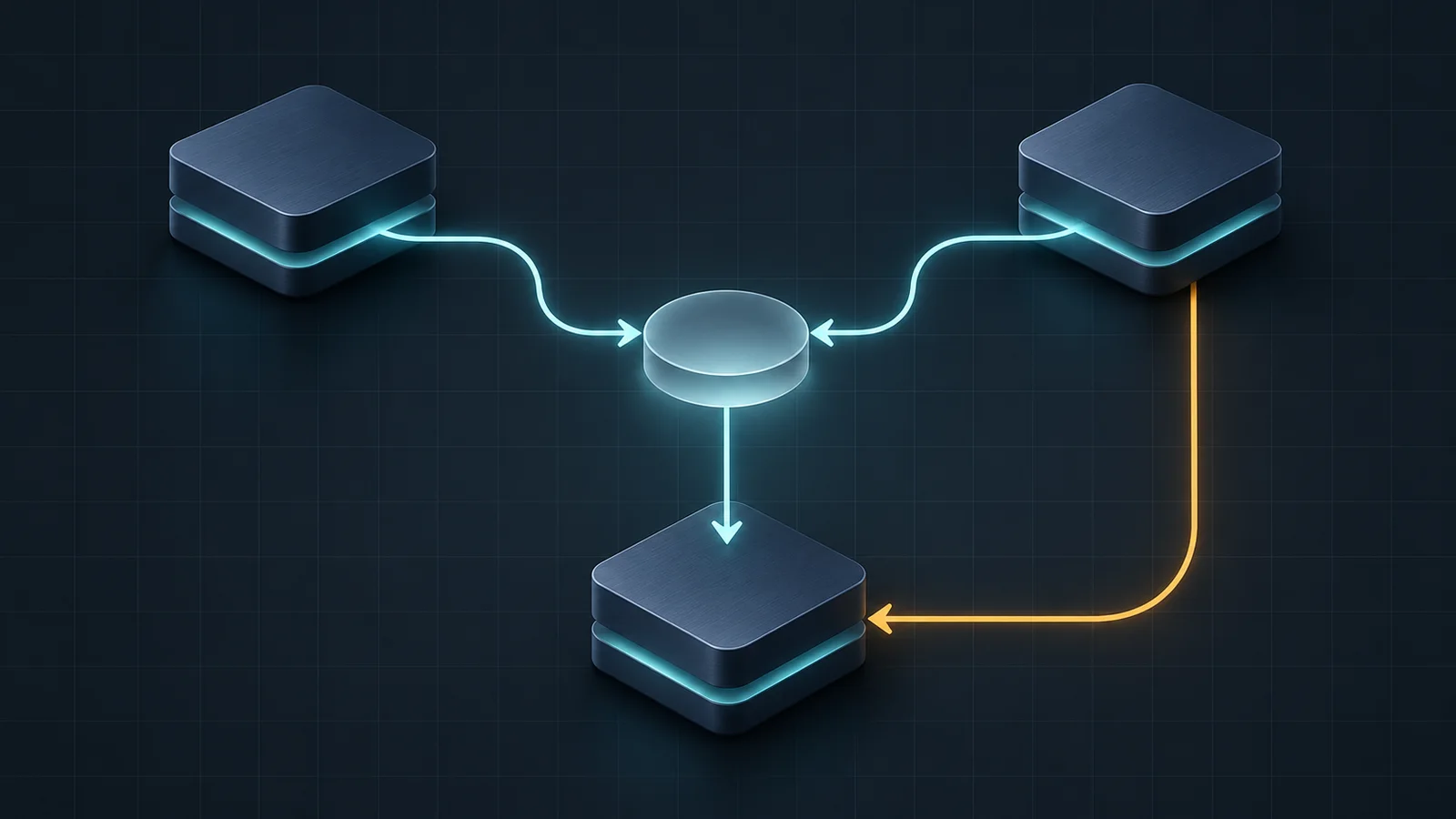
TrustedRouter launched Prometheus 4.0, Liberty 4.0 and Polyphemus 1.0, packaging two model-fusion presets and one model router behind separate service identifiers. The release gives customers a choice between systems that synthesize several model answers and one that selects a single model for each request.
Public catalog pages were available for all three services when checked. No authenticated inference request was made, however, so operational availability rests on those listings and TrustedRouter’s statement that the services are live rather than an independent test.
Fusion asks several models for answers and then has a synthesizer produce a final response. Routing examines a request and sends it to one selected model. Prometheus 4.0 is described as an open-weights, six-model fusion preset with a 1 million-token context window.
Liberty 4.0 gathers answers from NVIDIA Nemotron 3 Ultra, Reflection Beam and Meta Muse Spark, according to TrustedRouter. Muse Spark normally synthesizes the responses, Beam is the fallback synthesizer, and the service can combine the responses that arrive if one panelist is unavailable.
TrustedRouter’s launch post says every Liberty call goes only to US-based providers. Its separate US-model documentation, however, says Liberty’s default candidate pool includes operators outside the United States and tells customers that require a US-operated serving provider to set the provider.jurisdiction field to us. The same documentation distinguishes a model developer’s nationality from the serving operator’s jurisdiction and the physical datacenter location. The available evidence therefore does not support an unconditional claim that Liberty restricts every call to US serving providers.
Polyphemus 1.0 selects and runs one model instead of merging multiple answers. TrustedRouter lists a 65,536-token context window, a selector charge of $0.05 per million estimated selector prompt tokens in addition to the chosen model’s normal charges, and cache-aware sessions that expire after one hour of inactivity. The company has not specified the eligible model pool or selection criteria in the opened materials.
TrustedRouter estimates that Prometheus and Liberty cost roughly 60% less than Claude Fable 5.1, and that Polyphemus costs 60% to 80% less. Those figures are company estimates rather than independently established comparisons. The opened evidence does not include matched tasks, underlying dollar costs, quality or latency measurements, and does not establish whether the Polyphemus estimate includes its selector fee.
The company’s broader claim that fused panels typically score about 20% above their best individual member also does not independently establish the performance of these releases. No independent matched-task evaluation establishing quality, total cost or latency for Prometheus 4.0, Liberty 4.0 or Polyphemus 1.0 was present in the opened evidence.
More news

Ai2 releases XYBench to test how assistants handle mistaken premises

NVIDIA pairs GR00T 2 with Isaac Lab 3.0 for precise robot manipulation

Apple researchers propose two-stage Attention-to-Mamba distillation