Unsloth beta details Inkling 2 Mini fine-tuning and export
Developers can train adapters for the model’s language and vision layers, then save the tuned model as GGUF or merged 16-bit weights.
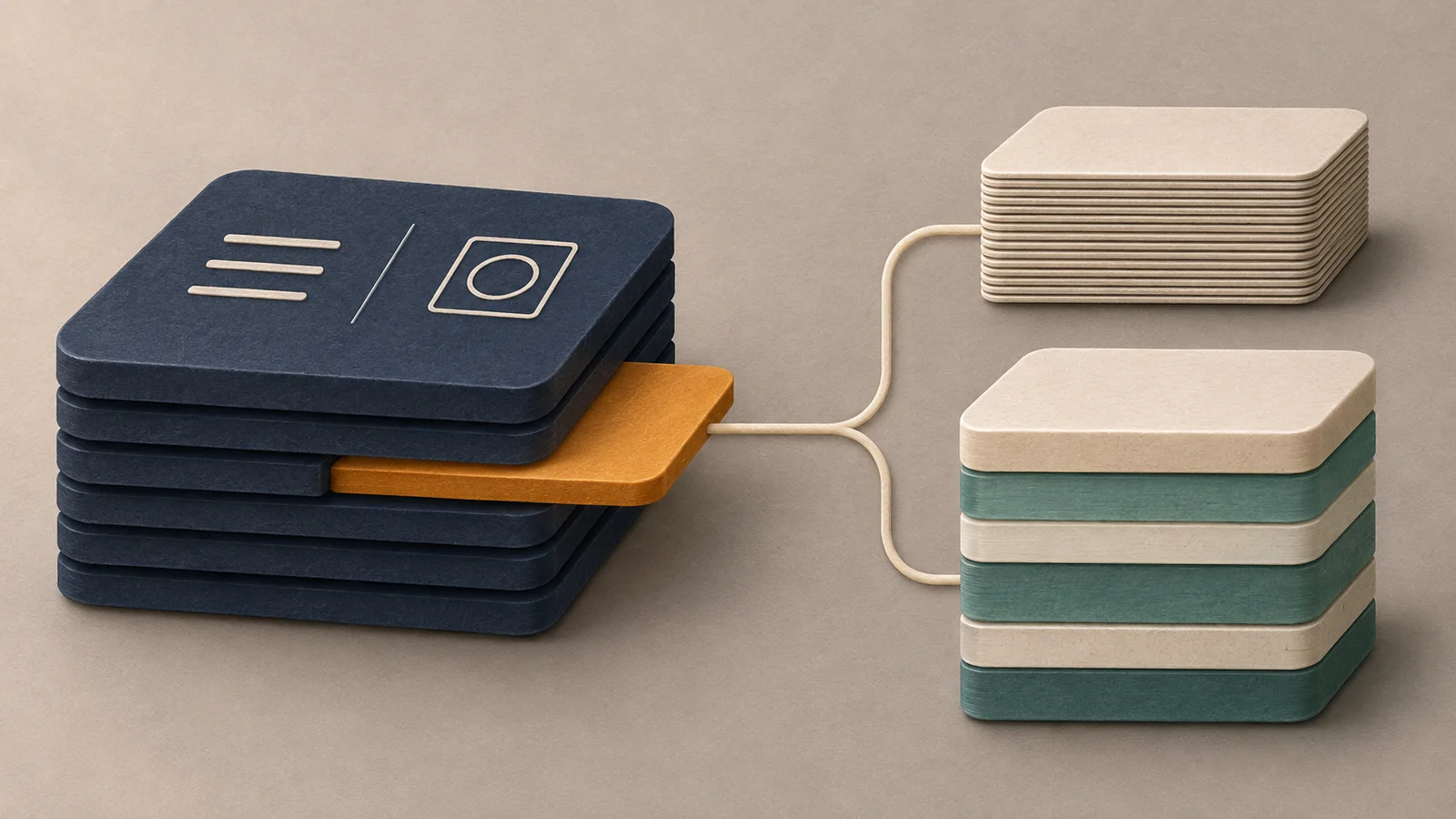
Unsloth detailed LoRA and QLoRA fine-tuning for Inkling 2 Mini in v0.1.924-beta. The beta supports adapter training on the model’s language and vision layers. The release notes describe exporting the tuned model as GGUF for use with llama.cpp or saving it with the adapter merged into a 16-bit model.
LoRA trains a small set of additional weights, called an adapter, while leaving the base model’s weights frozen. Unsloth documents how to save the adapter separately for reuse with the base model. Its QLoRA setup can load parts of the base model in 4-bit precision to reduce training memory.
Unsloth’s Kaggle notebook splits a text-only QLoRA run across two NVIDIA T4 GPUs. The finetune_vision_layers setting enables adapter training on the vision layers.
Unsloth says its Colab example on an NVIDIA A100 produced a roughly 17.5 GB GGUF file using q4_k_m quantization. Its guide says the conversion needed about 150 GB of free disk space for intermediate files and puts the merged 16-bit model at about 53 GB.
Thinking Machines Lab’s Inkling 2 Mini, the subject of an independent model evaluation, is an open-weight model that accepts text and images and generates text.
Unsloth announced Inkling fine-tuning support in v0.1.923-beta and listed fine-tuning fixes in v0.1.925-beta.
More news
Anthropic rolls out beta for installing Claude artifacts as desktop apps
Anthropic opens Enterprise Frontier Safeguards public beta
Du launches National HyperAI for UAE government and business customers