World Labs introduces Atlas omni world model for spatial intelligence
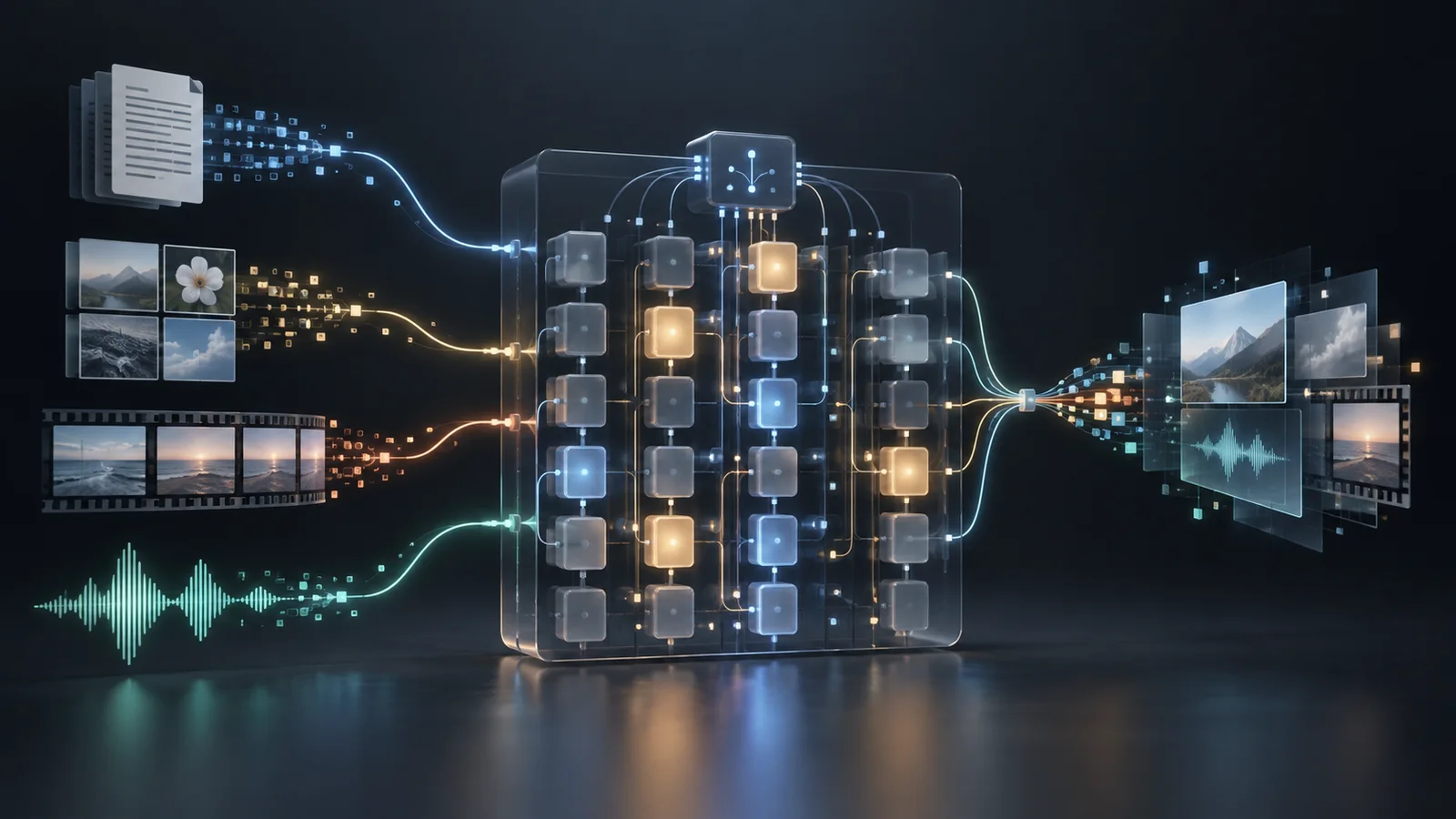
World Labs introduced Atlas, an early-access model that pairs generated images and video views with camera poses, depth maps and explicit 3D representations in one architecture.
World Labs introduced Atlas on September 1 as an omni world model built to generate, reconstruct and simulate spatial environments from several kinds of input. Select partners can request early access; the company has not announced general availability or pricing. Despite the shared name, it is unrelated to OpenAI’s ChatGPT Atlas browser.
The architecture puts generated media and explicit descriptions of space in the same model. World Labs describes Atlas as a multimodal autoregressive diffusion transformer that places text, images, camera poses and 3D depth maps into a shared spatial context and then generates elements one after another. Video is handled as a sequence of images, with each image and depth map tied to an explicit camera pose.
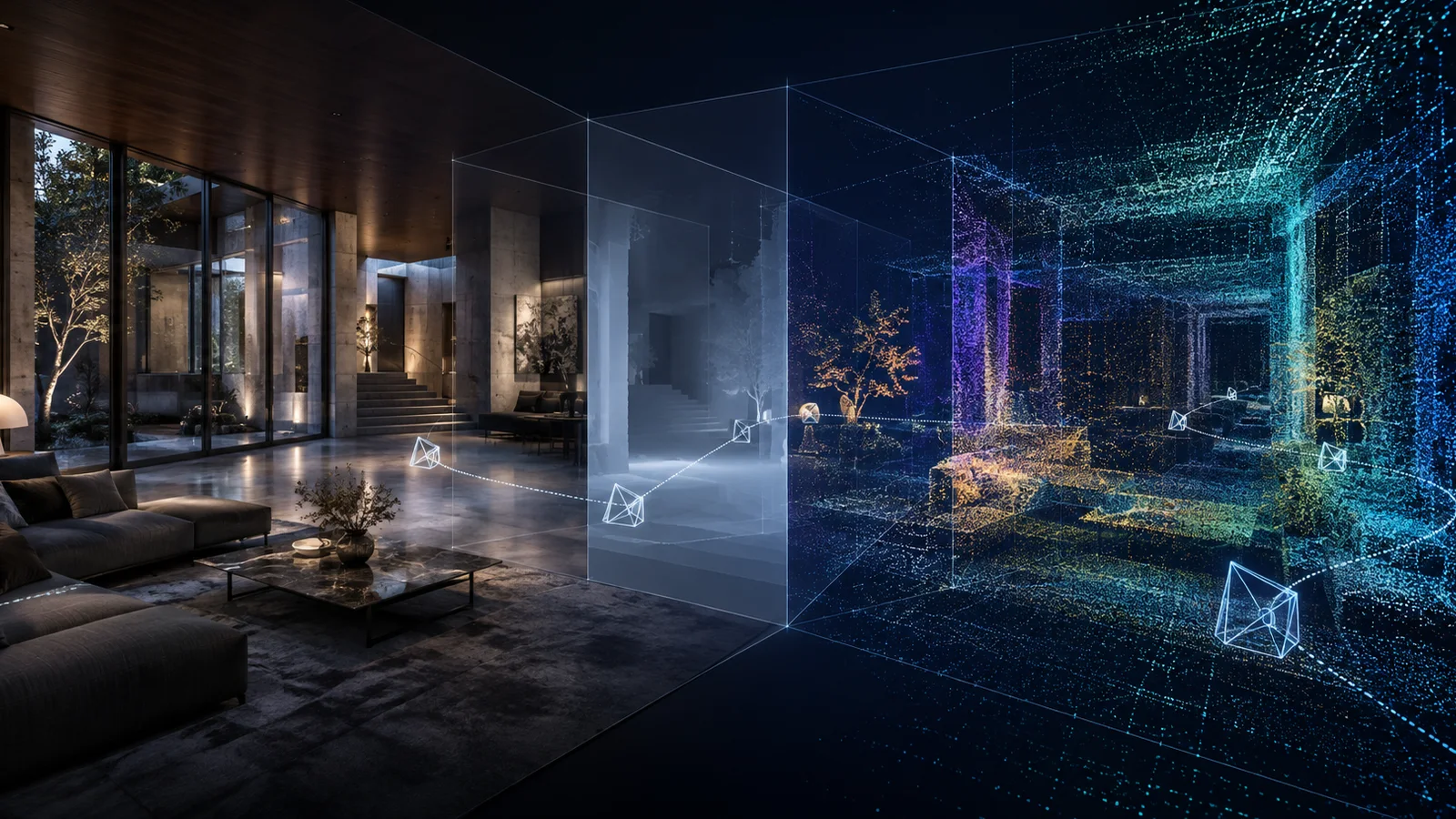
That design lets one model produce images and video views while it estimates geometry and generates point clouds or 3D Gaussian splats, a representation that approximates a scene with many colored points. World Labs says Atlas can create camera-controlled video from one to six reference images, and the company demonstrated clips of up to one minute at 1440p along manually designed camera paths.
On reconstruction, the company says Atlas generates unseen views and estimates scene geometry together. It can predict depth for video frames and fill in areas the camera did not observe, and additional input views reduce how much content the model must invent. World Labs also presents Atlas as a basis for ‘Real-to-Sim’ robotics workflows: after reconstructing an environment, the model generates color and depth observations for simulated robot viewpoints.
The performance evidence is company-supplied. World Labs says its own evaluations show Atlas outperforming specialized video-generation and open-source 3D-reconstruction models, but the available materials include neither an independent evaluation nor reproducible public model access. The company also says larger models and more training compute unlocked capabilities during development, and predicts that further scaling will improve future systems; that forecast has not been independently verified.
Atlas will power future versions of the company’s Marble world-generation product and other World Labs products, according to the announcement, which gave no release schedule. It also omits Atlas’s model size, training-compute totals, training-data composition, licensing terms and safety evaluations.
More news
Liquid AI releases d1 models for single-pass edge decisions
Google releases EmbeddingGemma 2 for on-device multimodal search

Mistral launches Large 4 in public preview