Who Will Decide the Future of Work? - #SFTechWeek
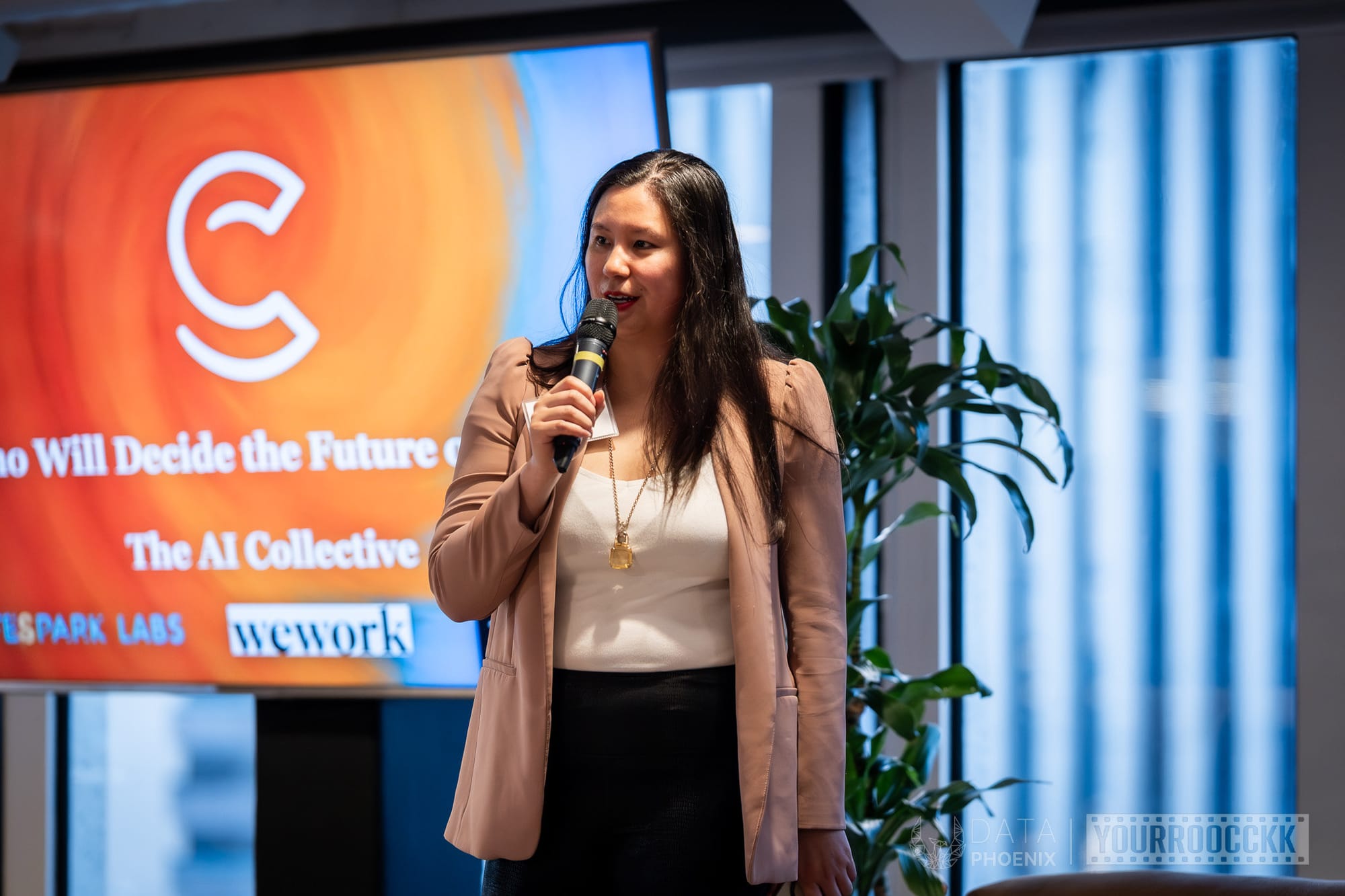
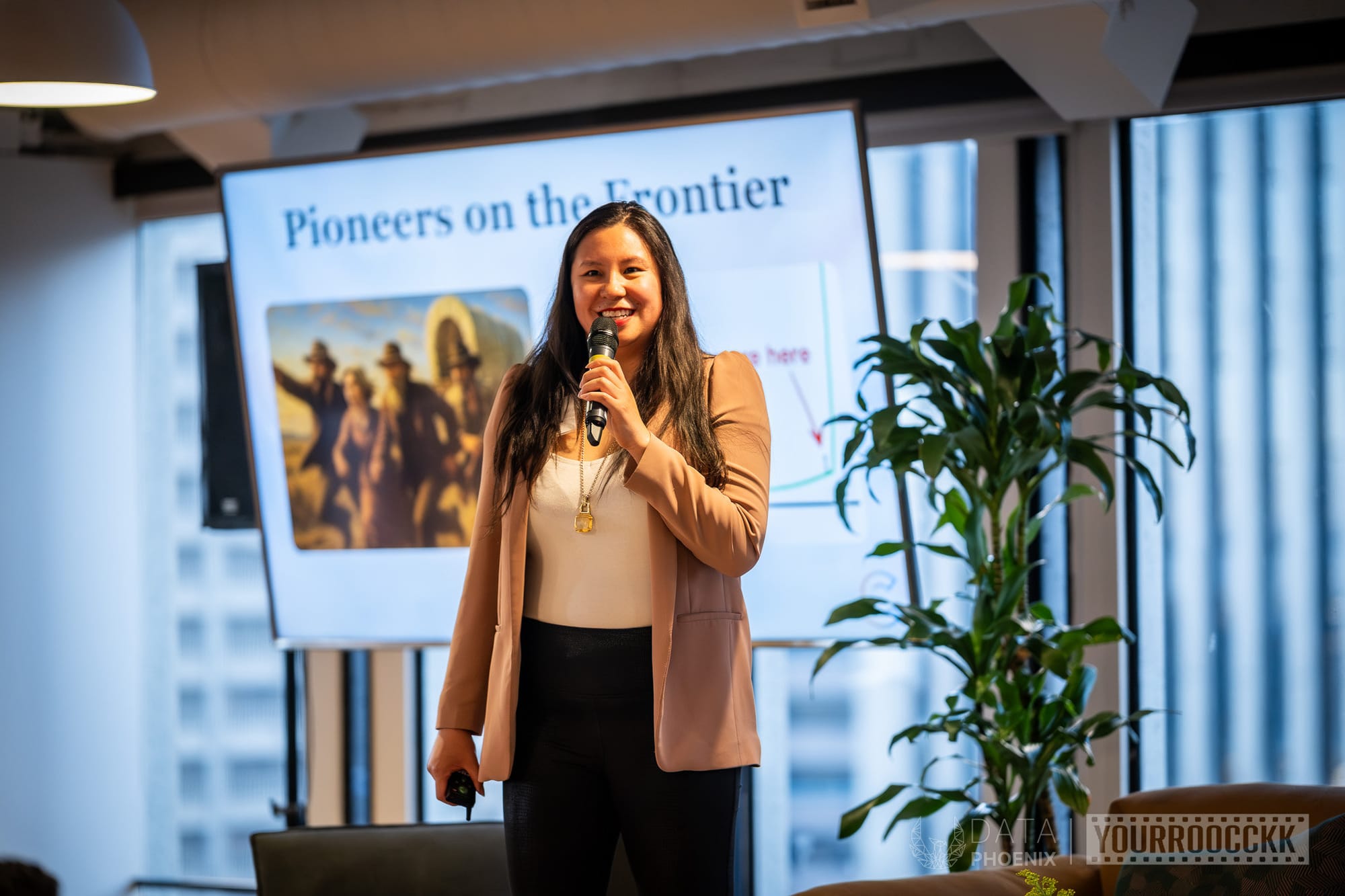
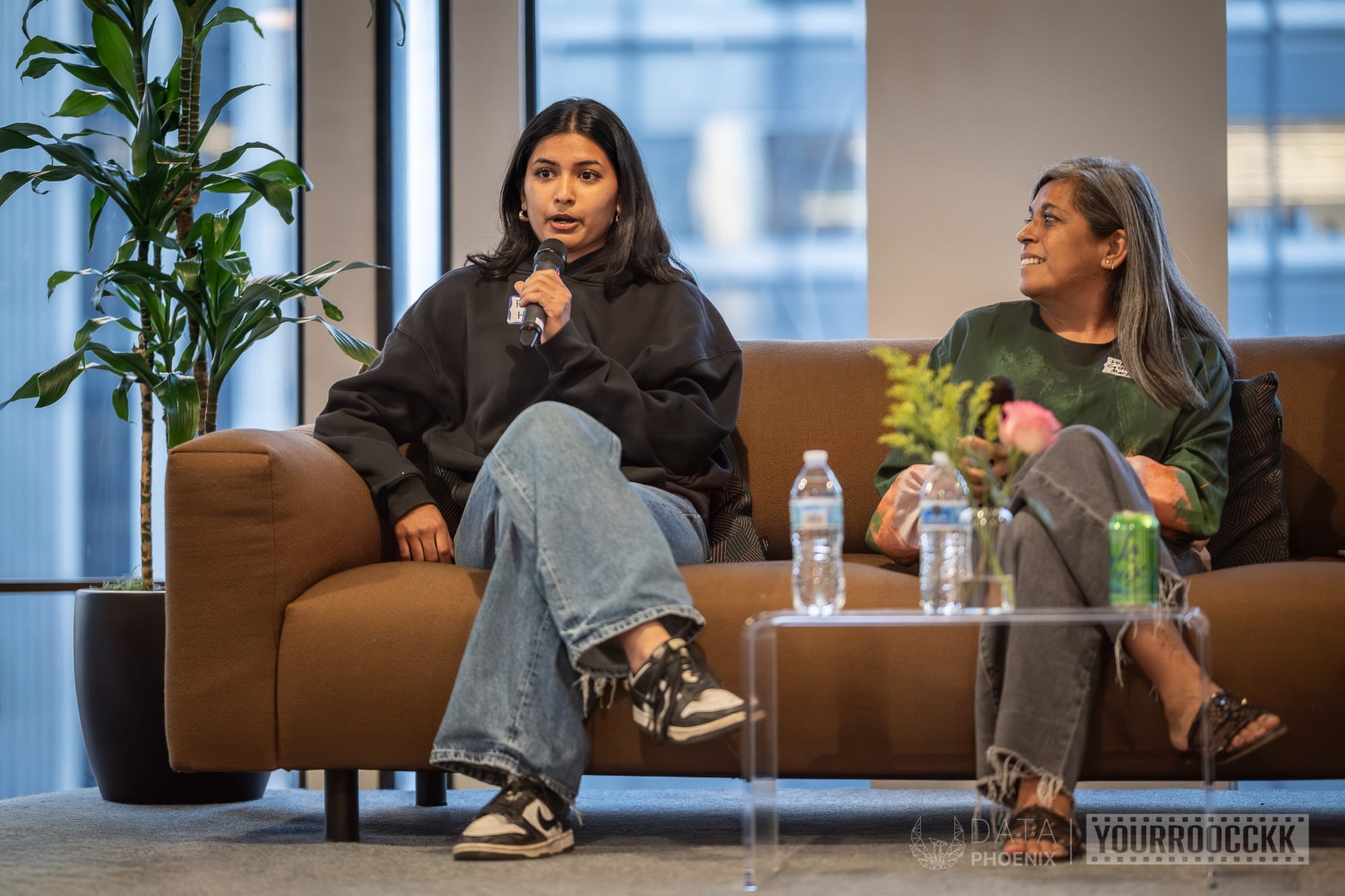
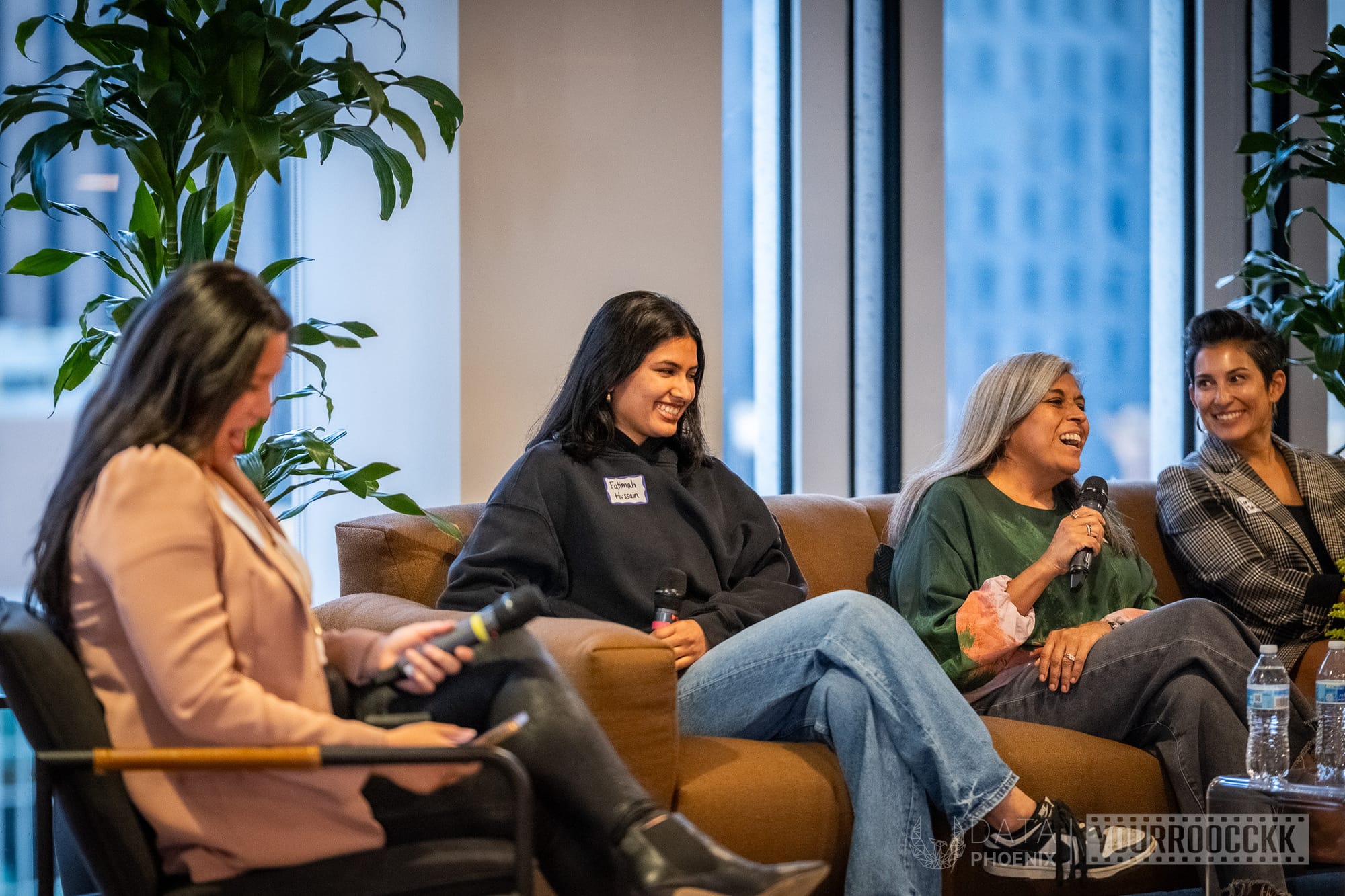
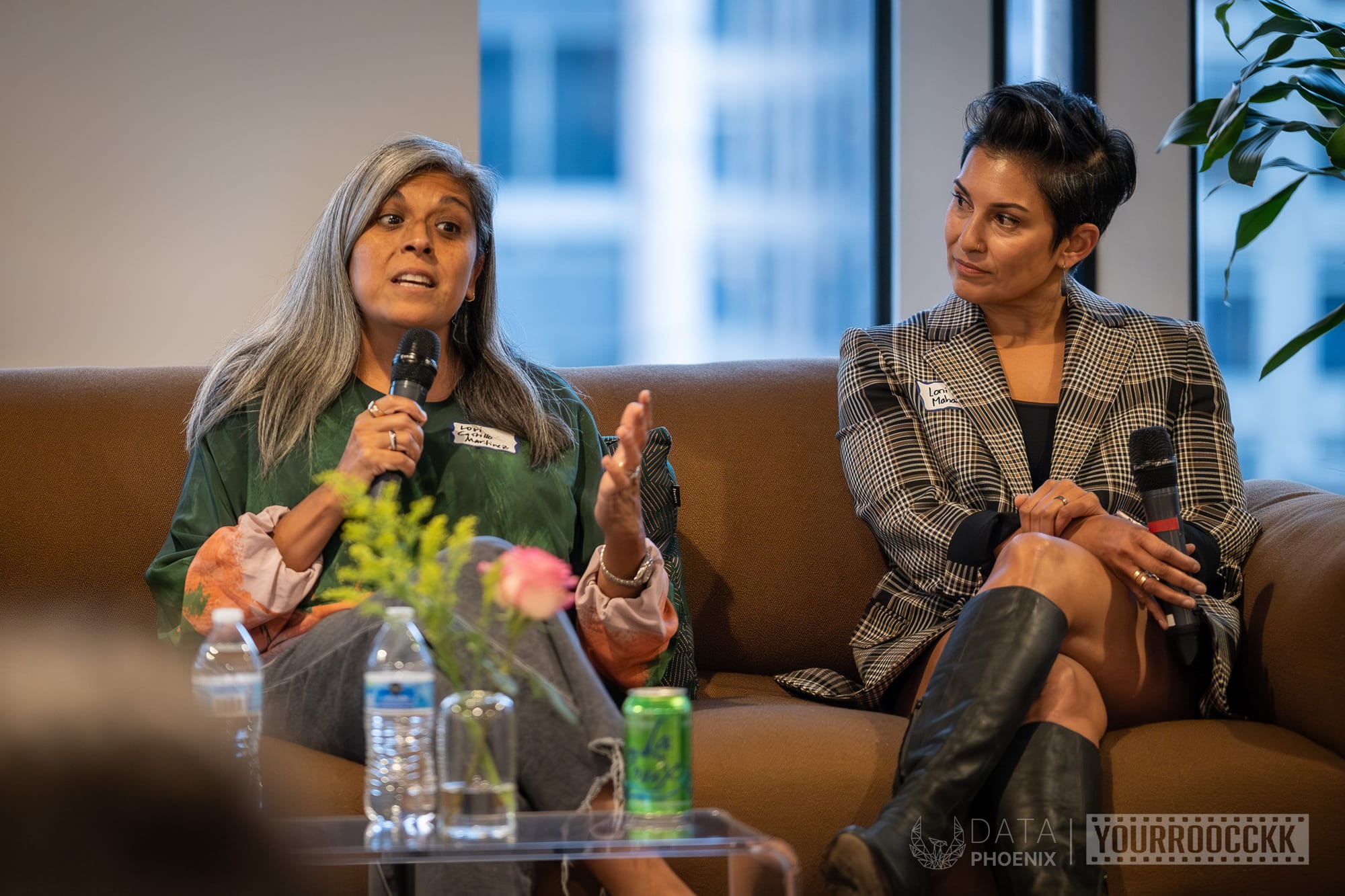
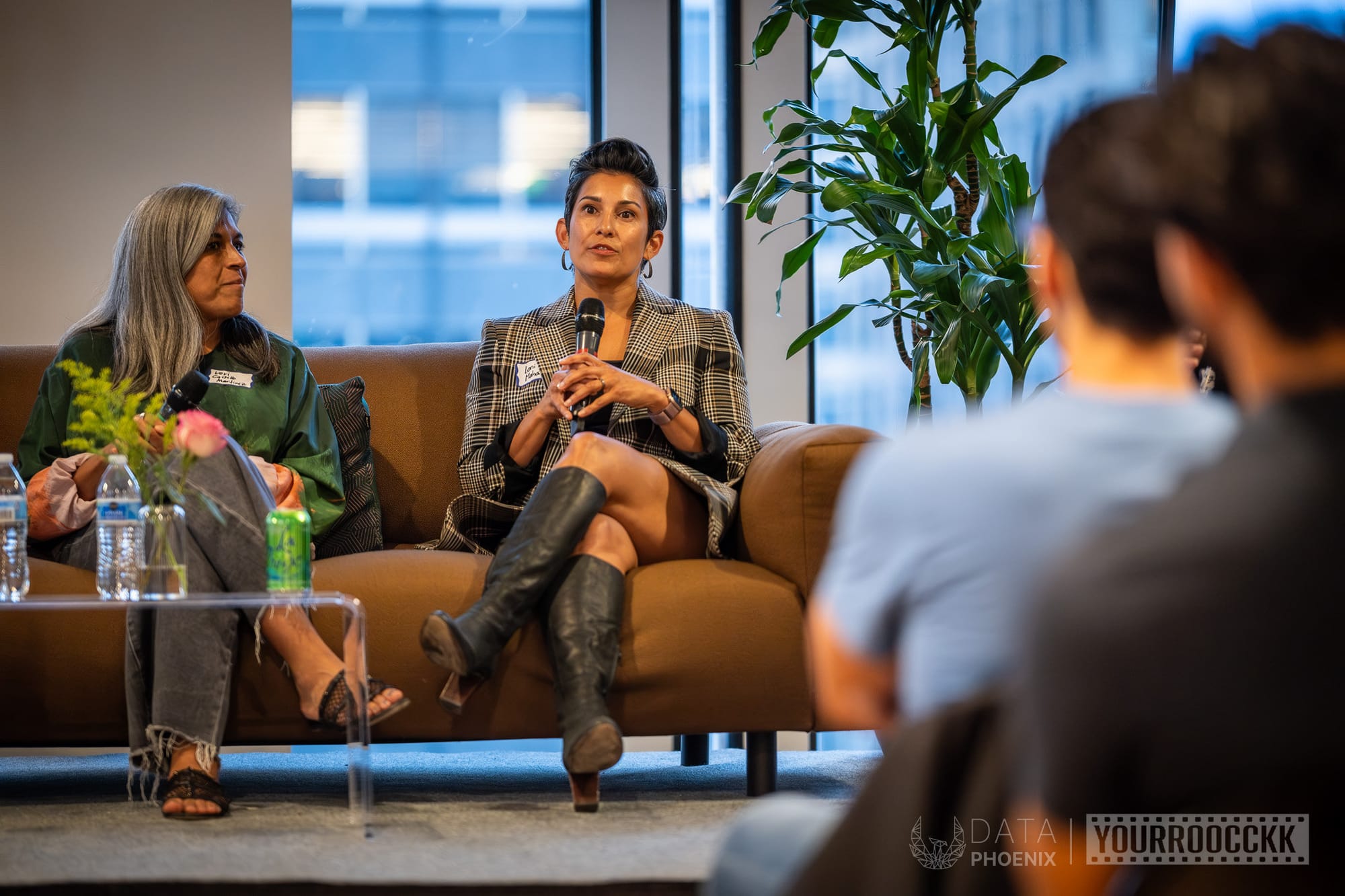
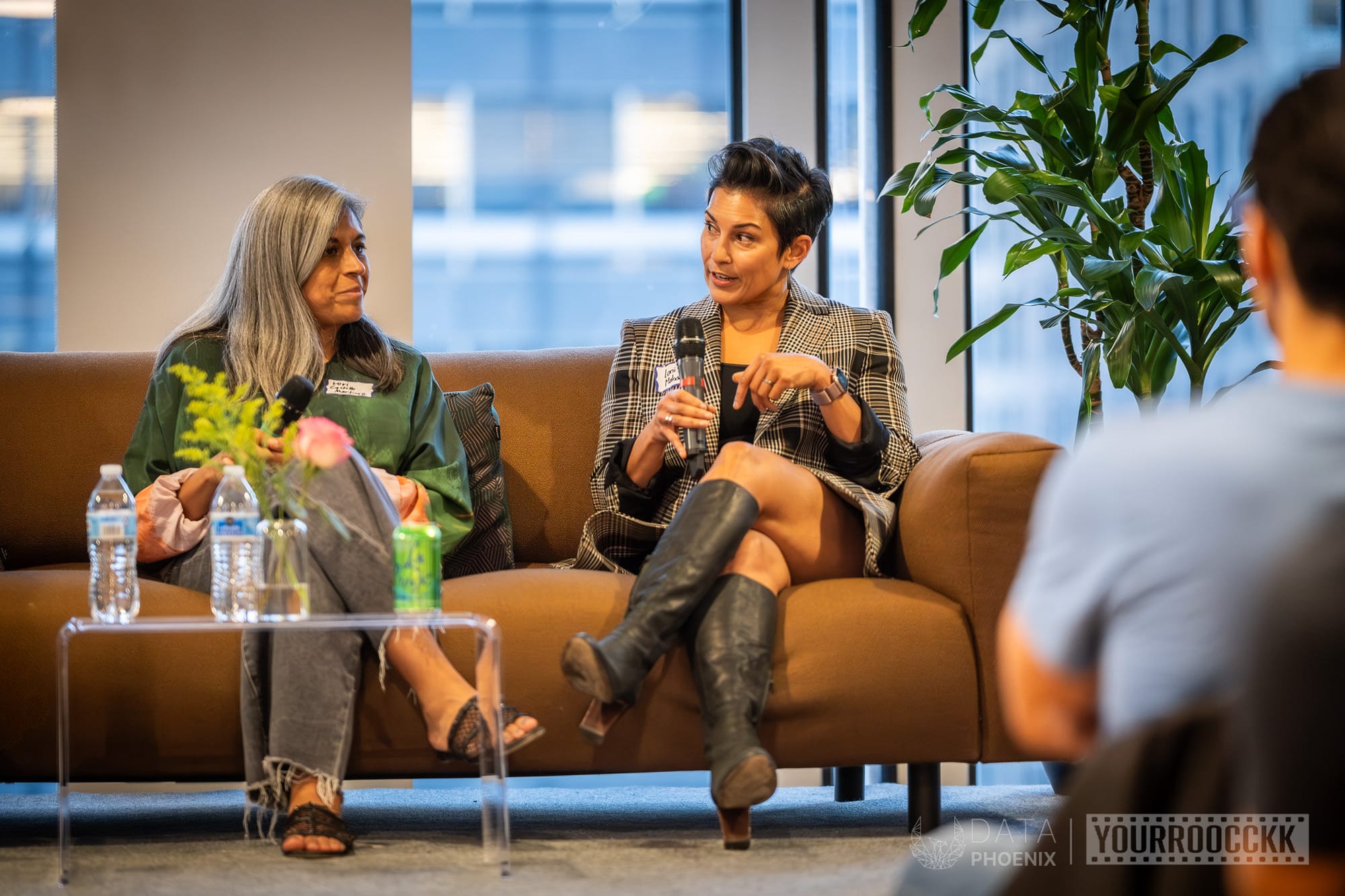
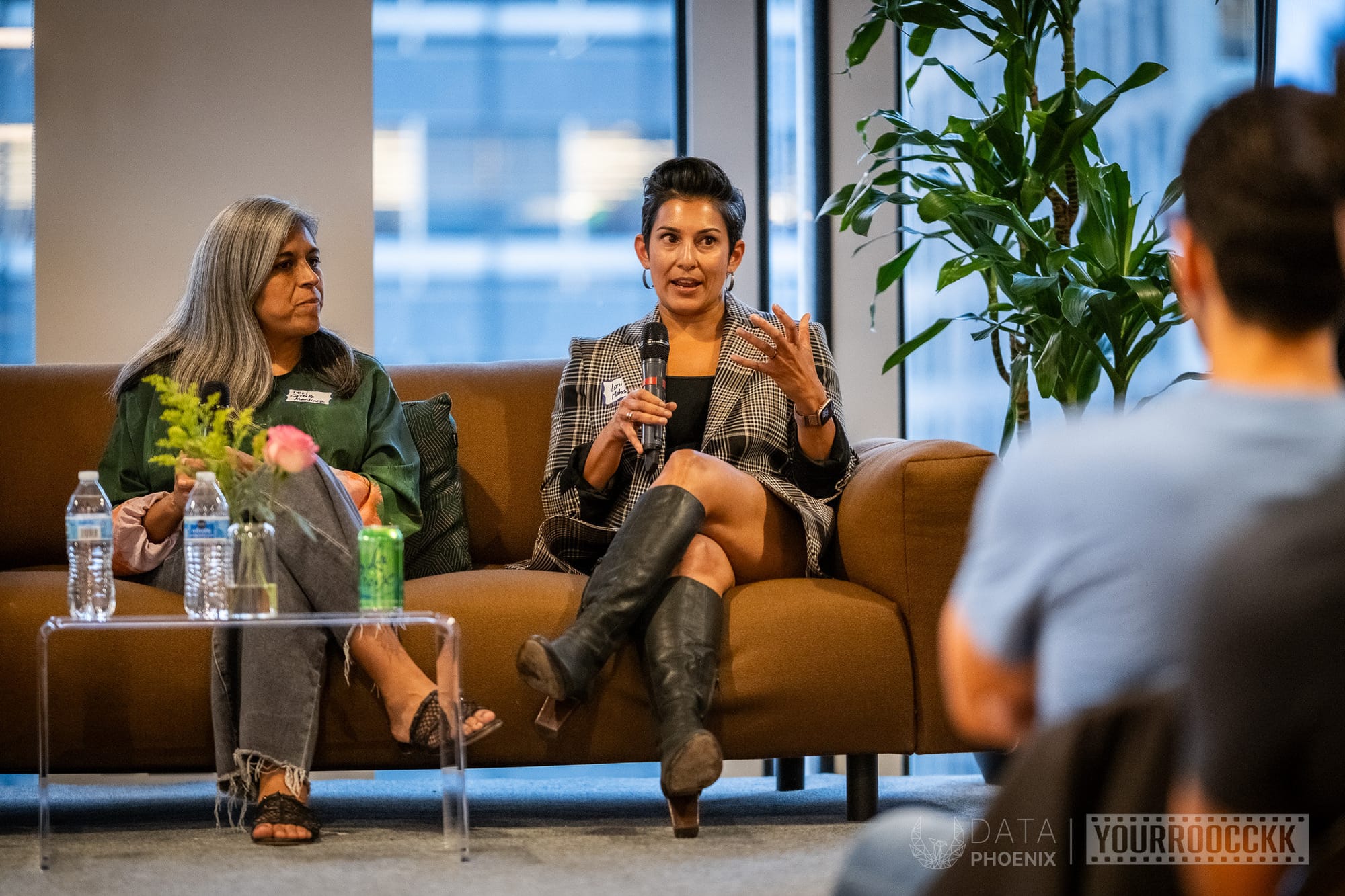
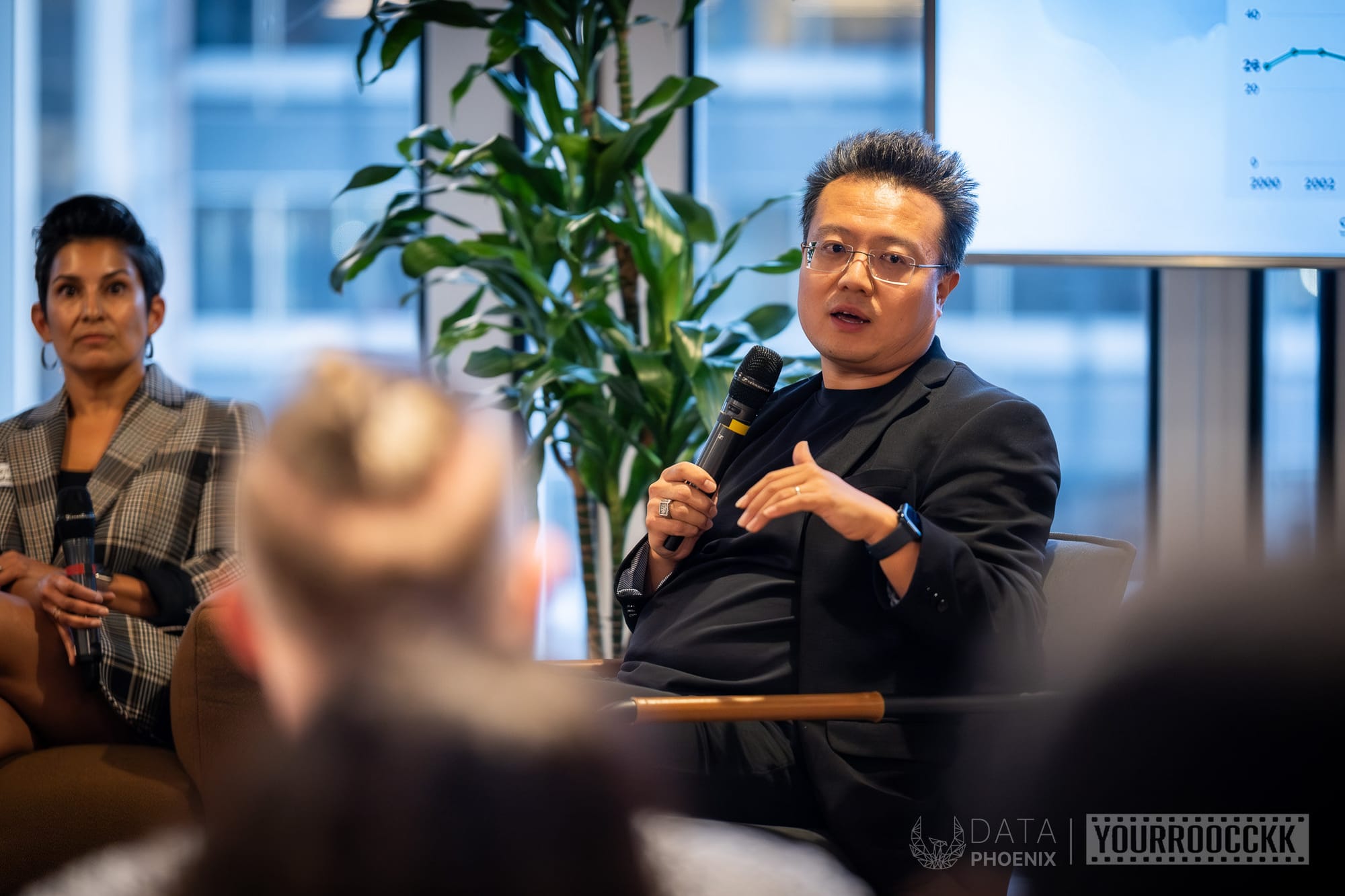
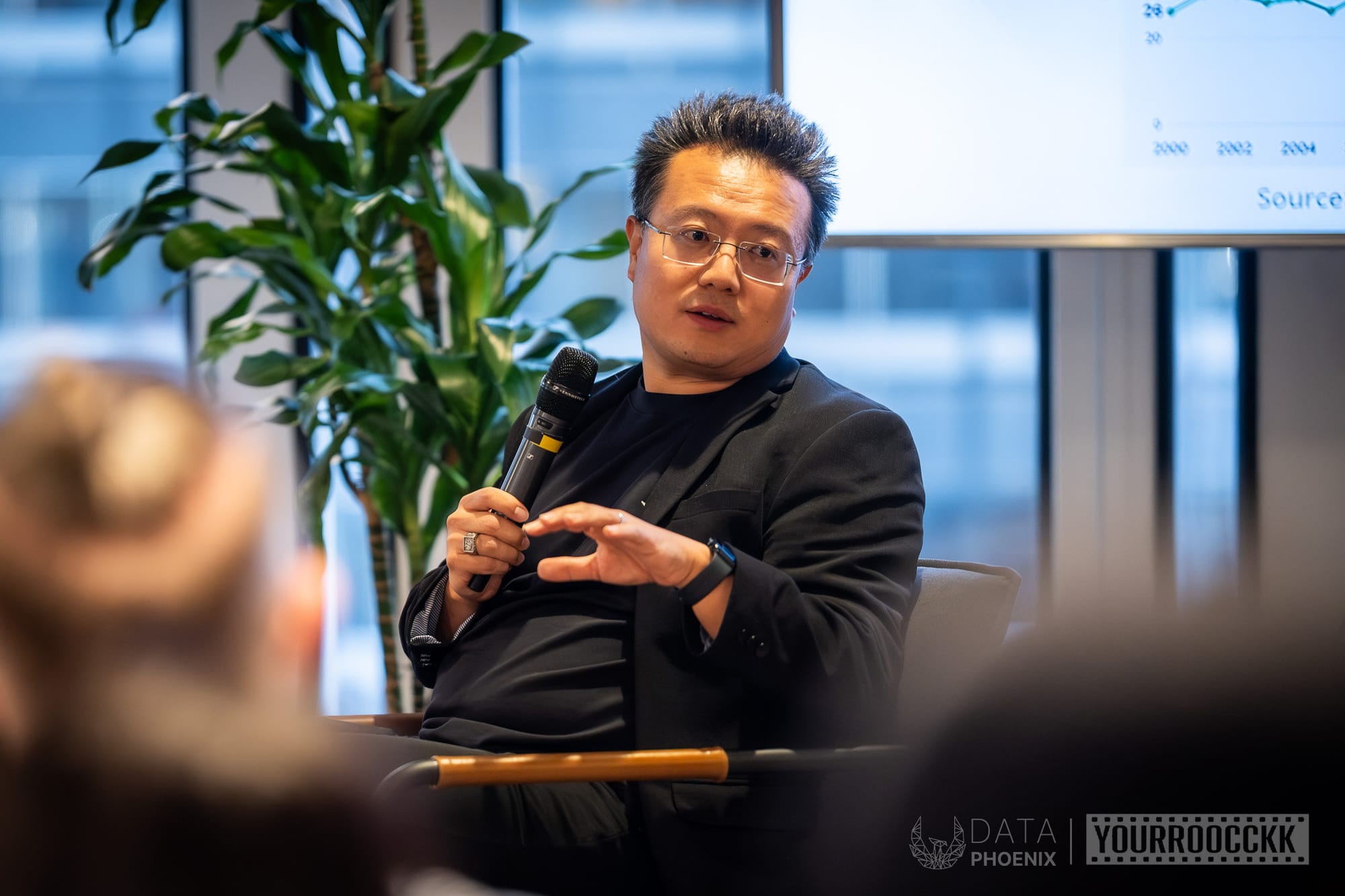
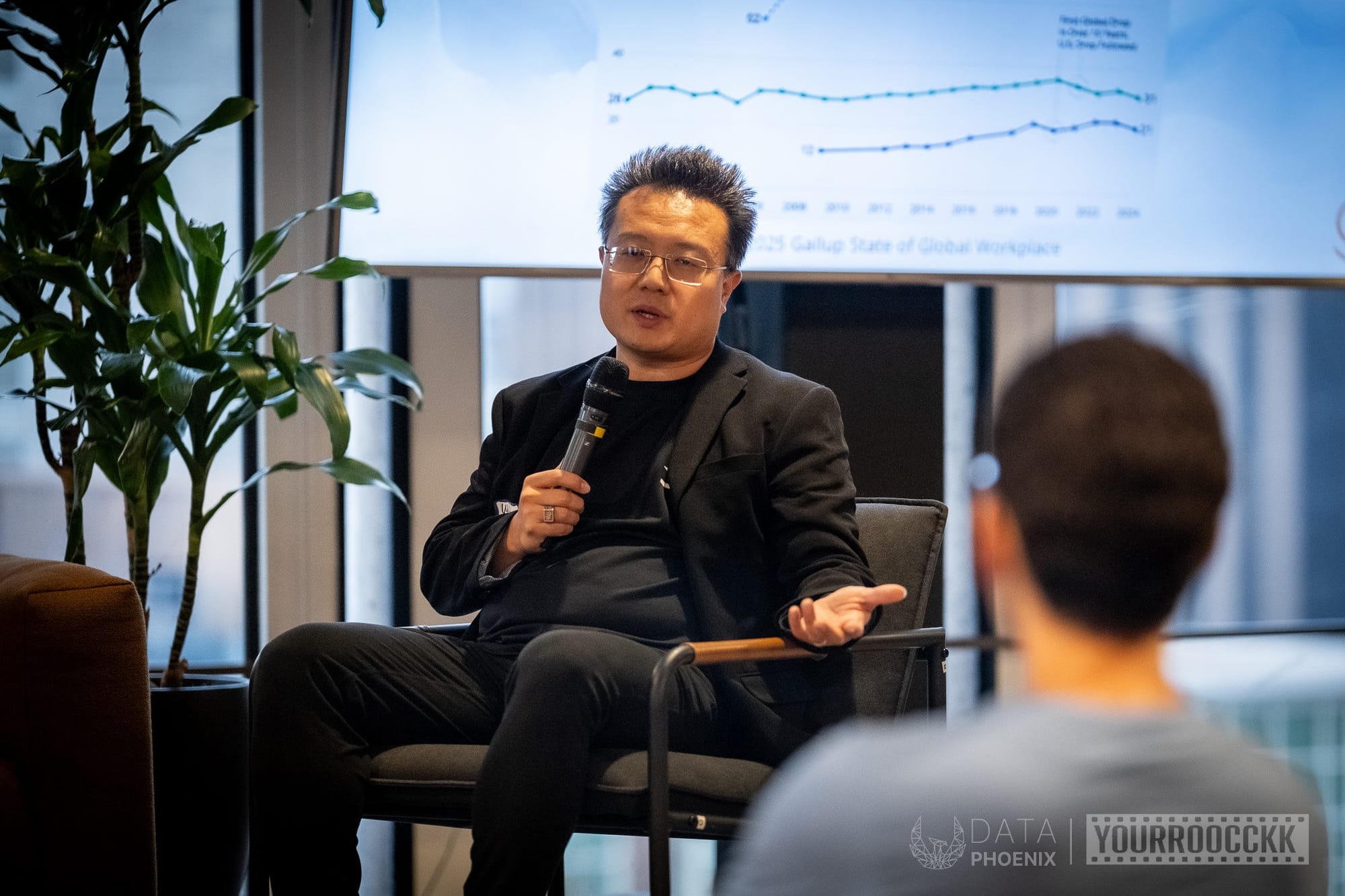
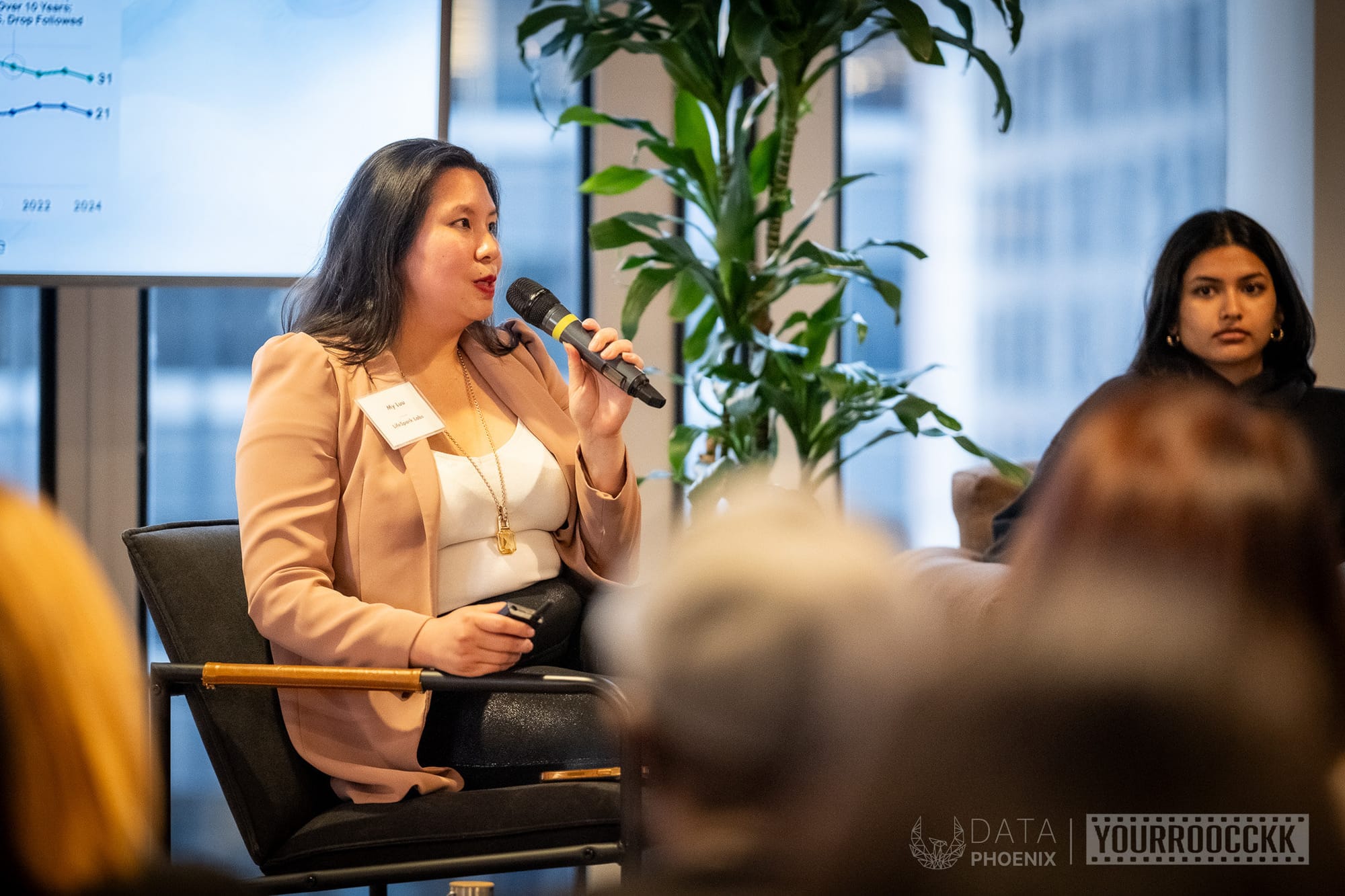
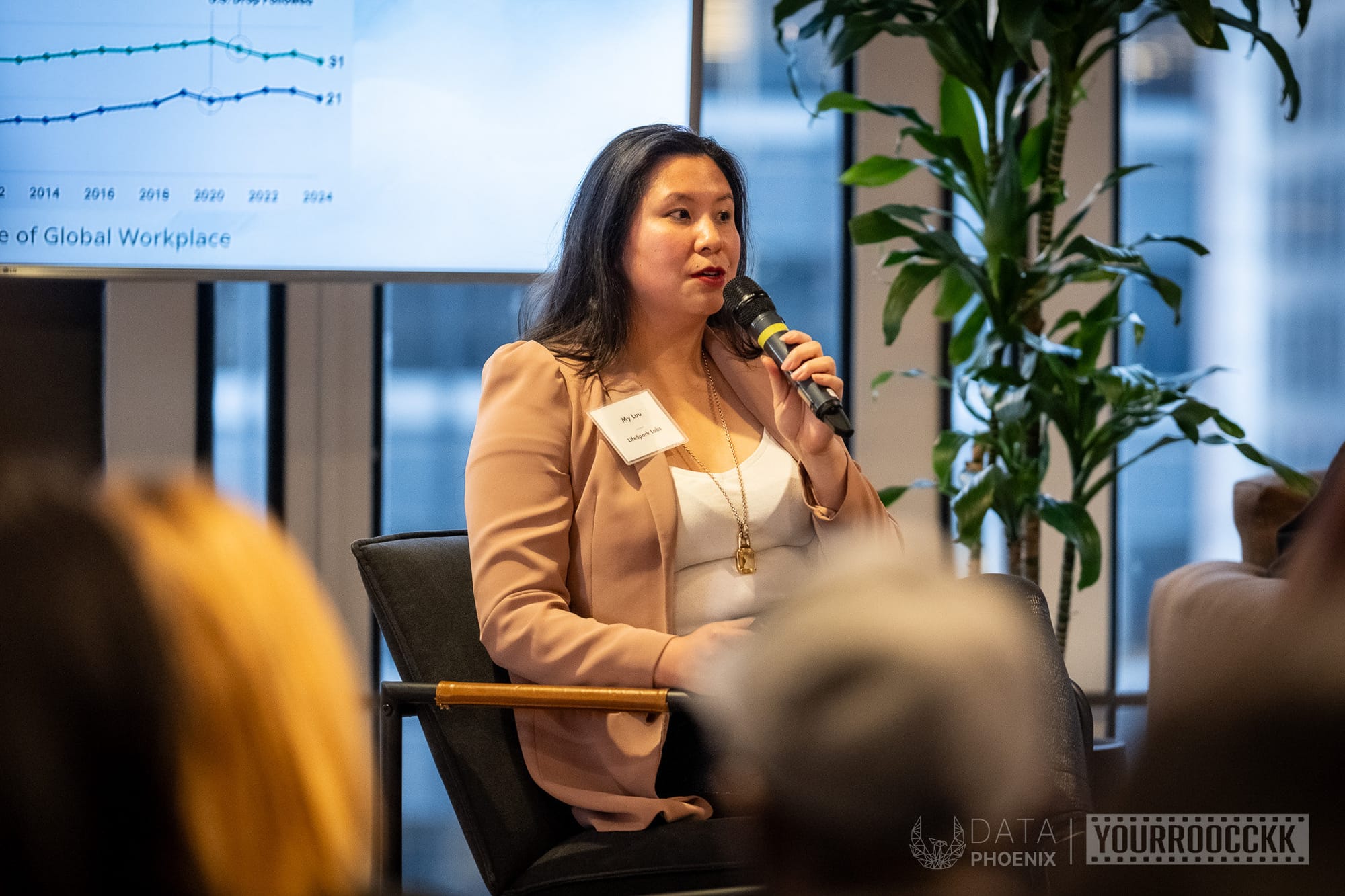
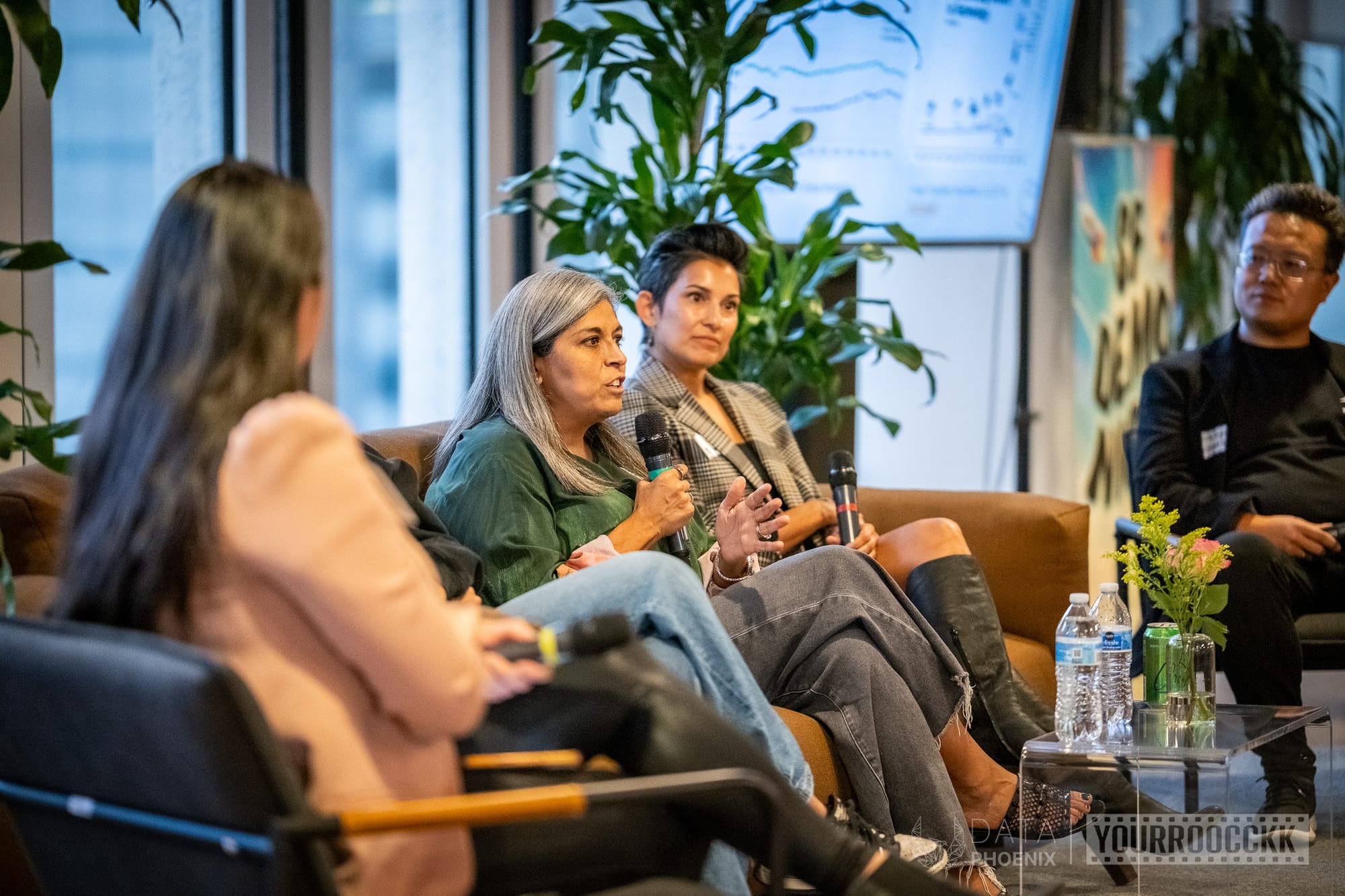
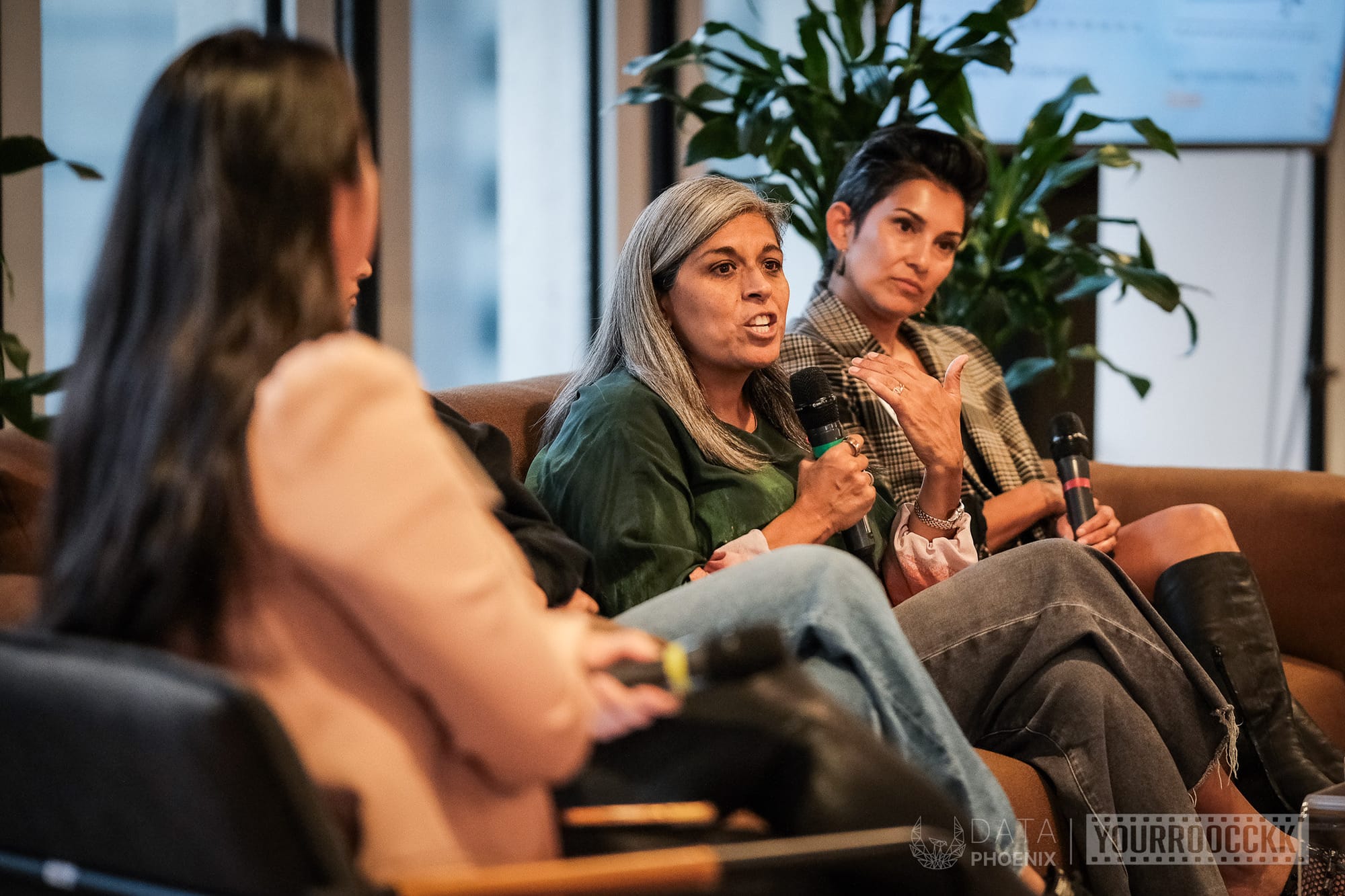
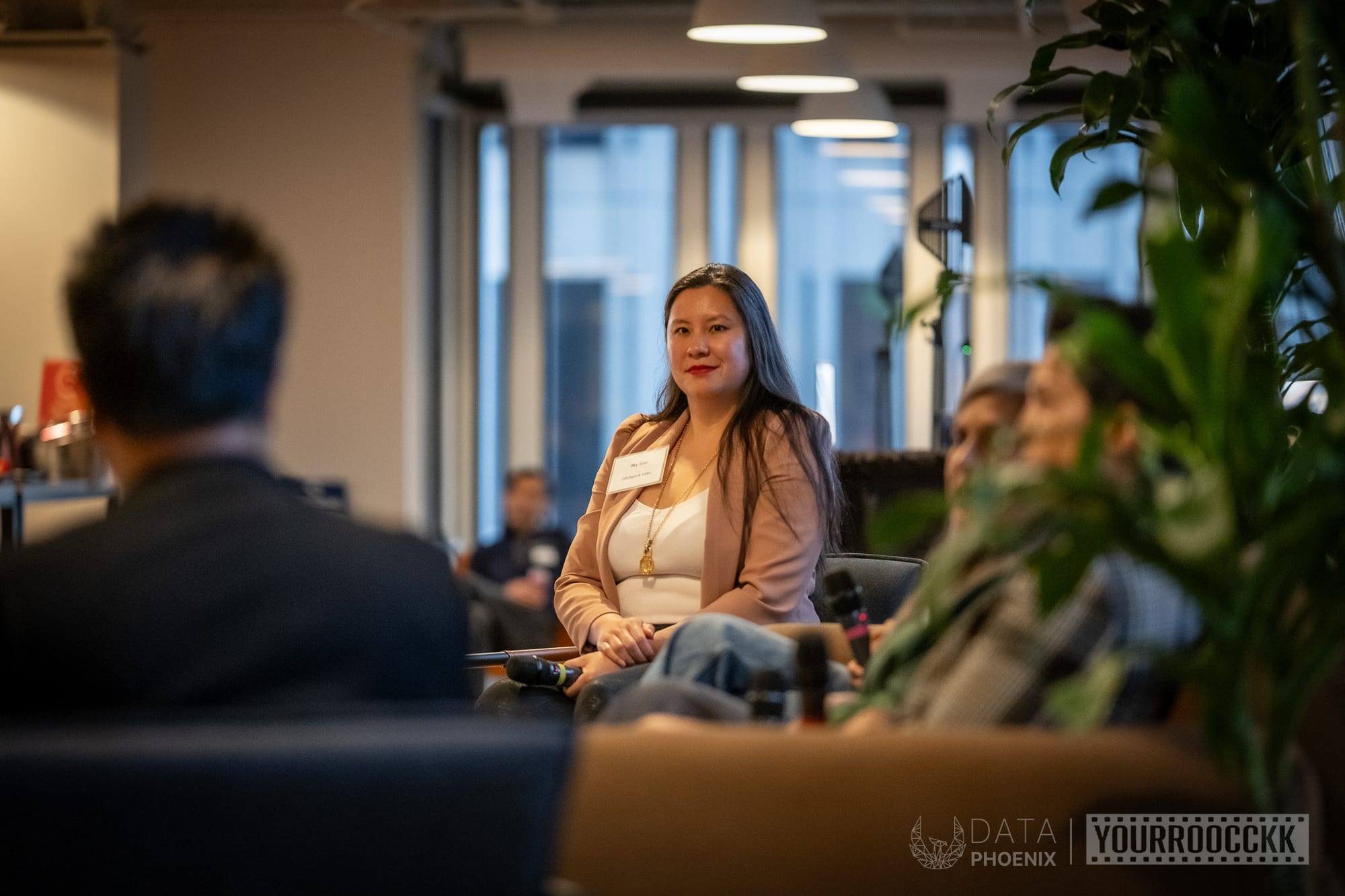
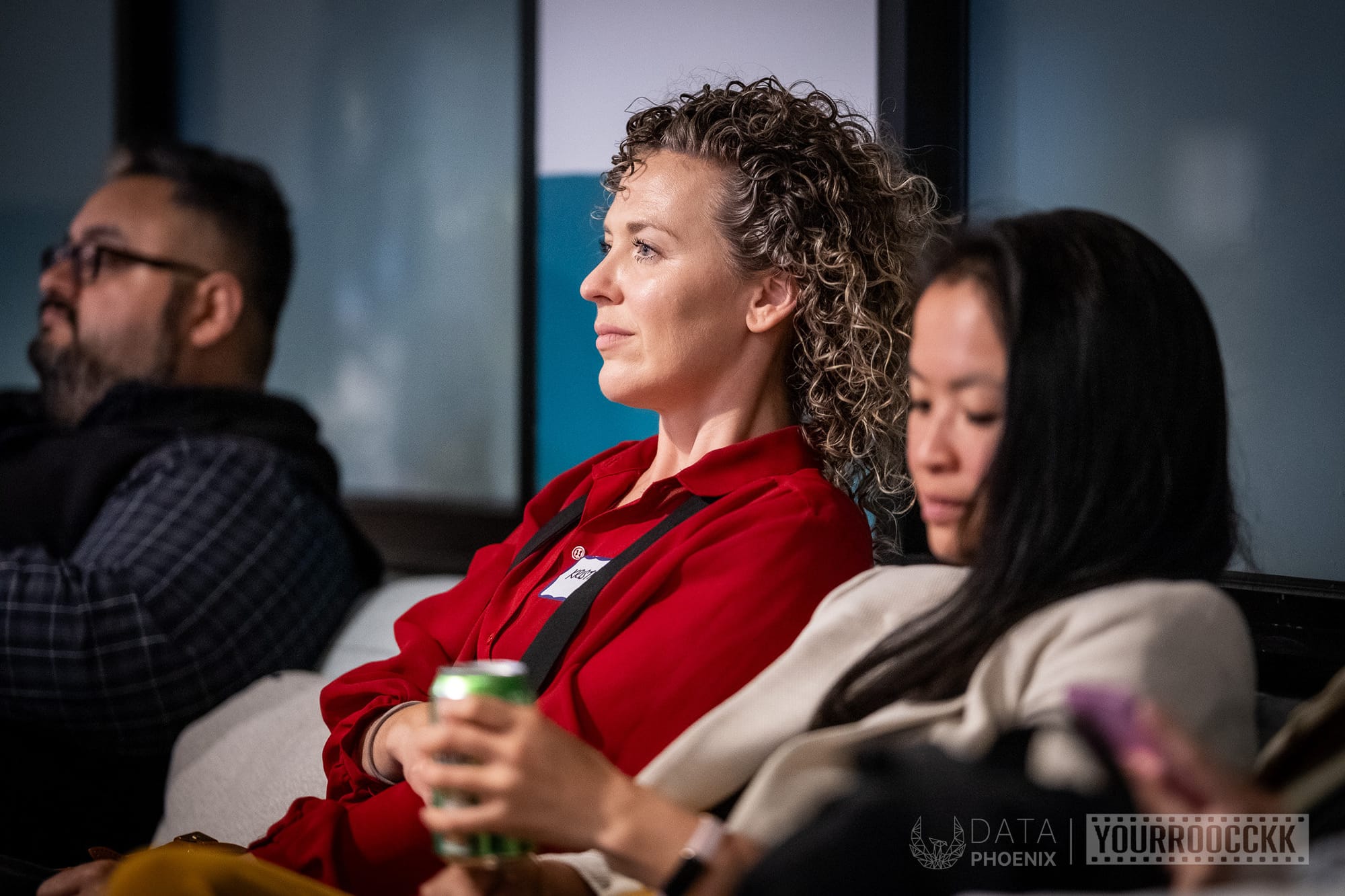
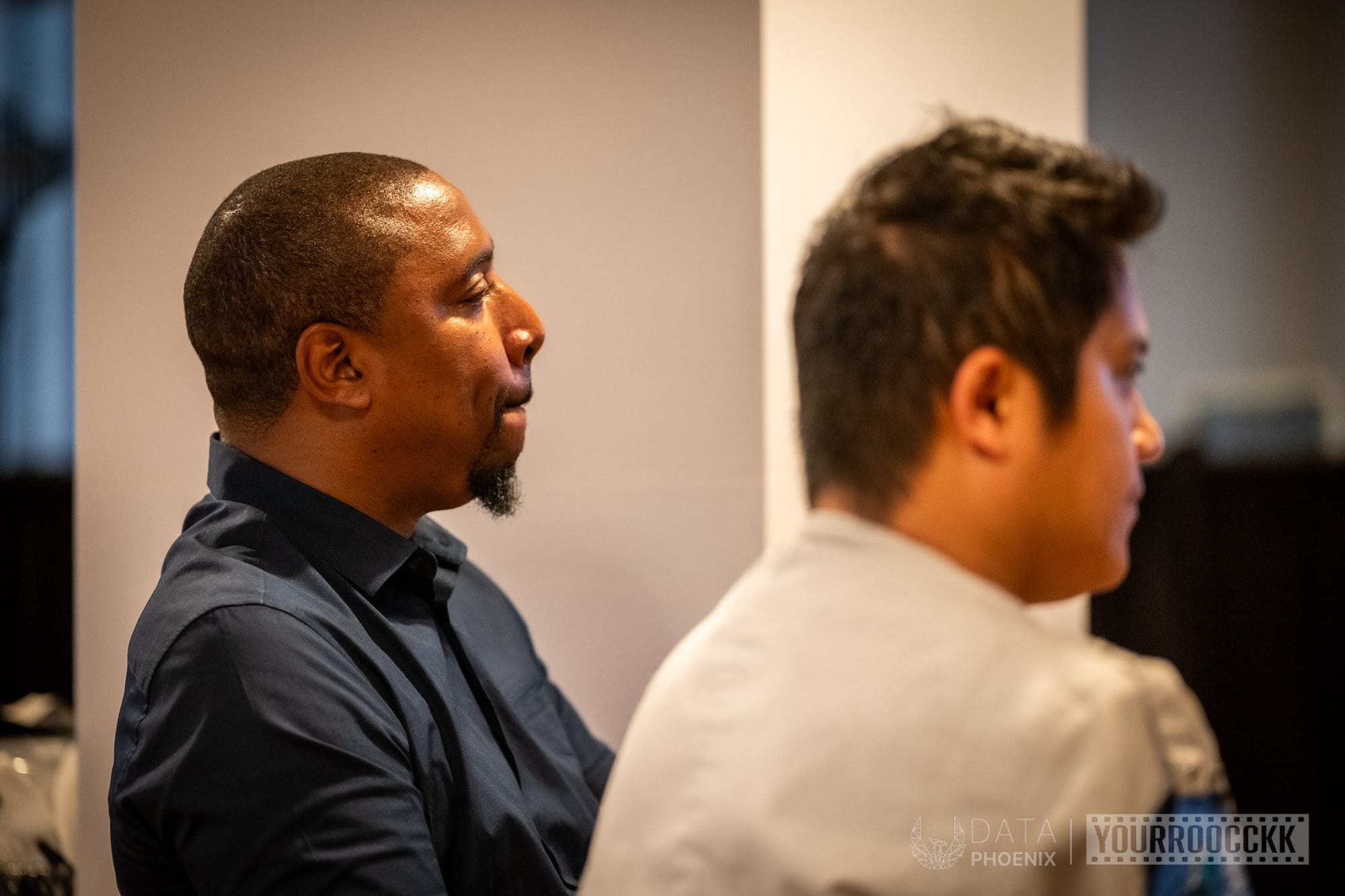
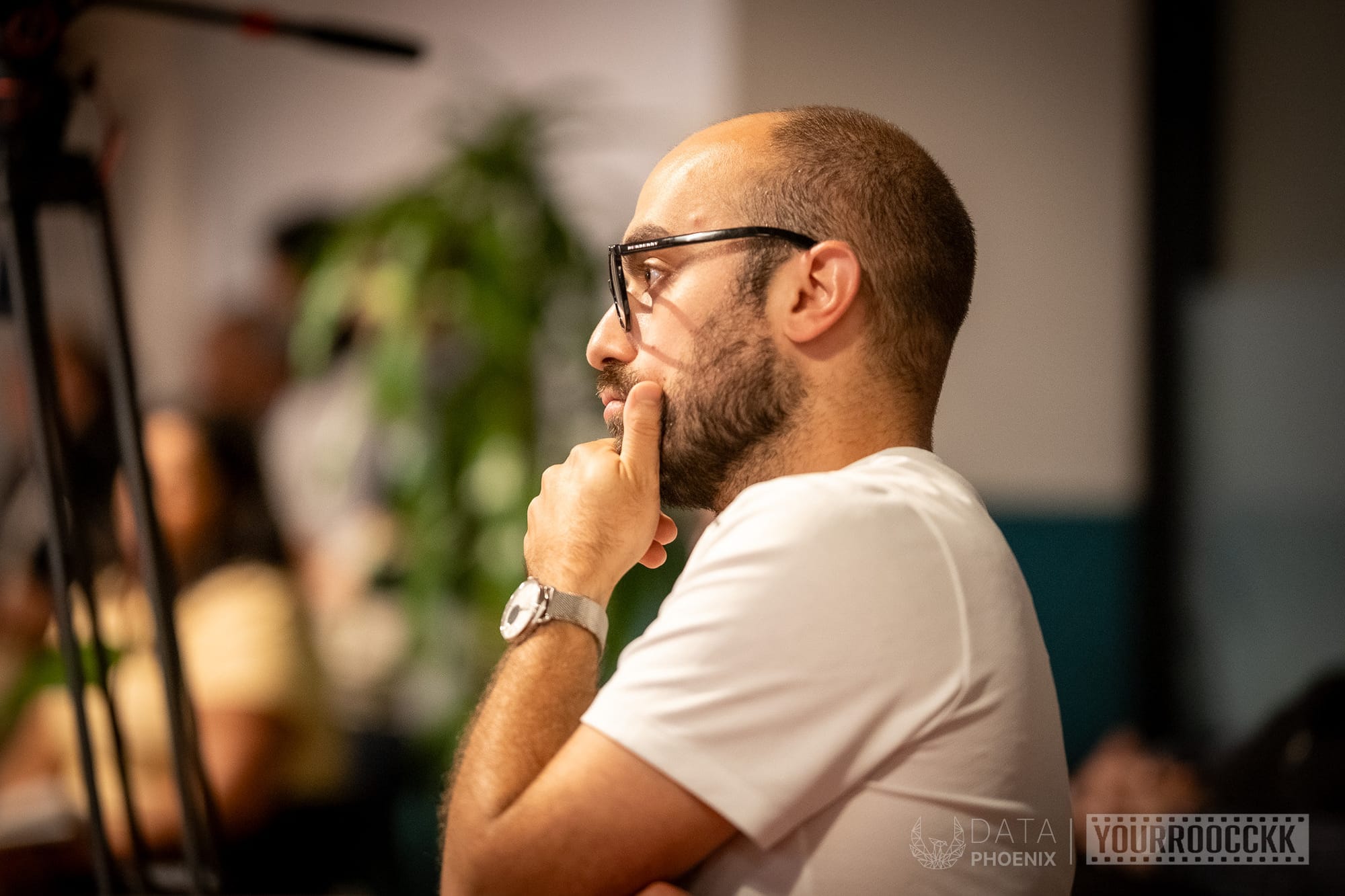
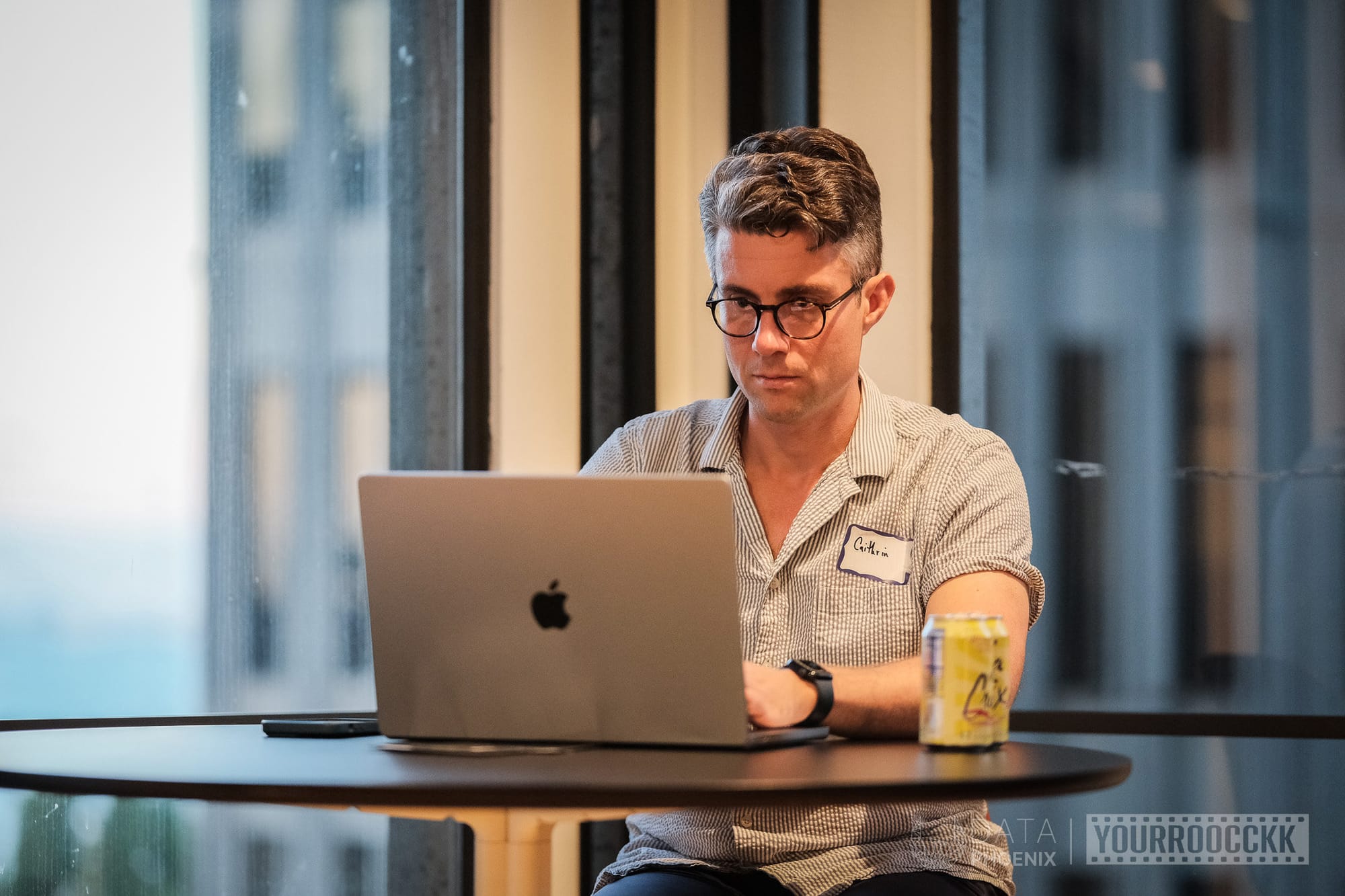
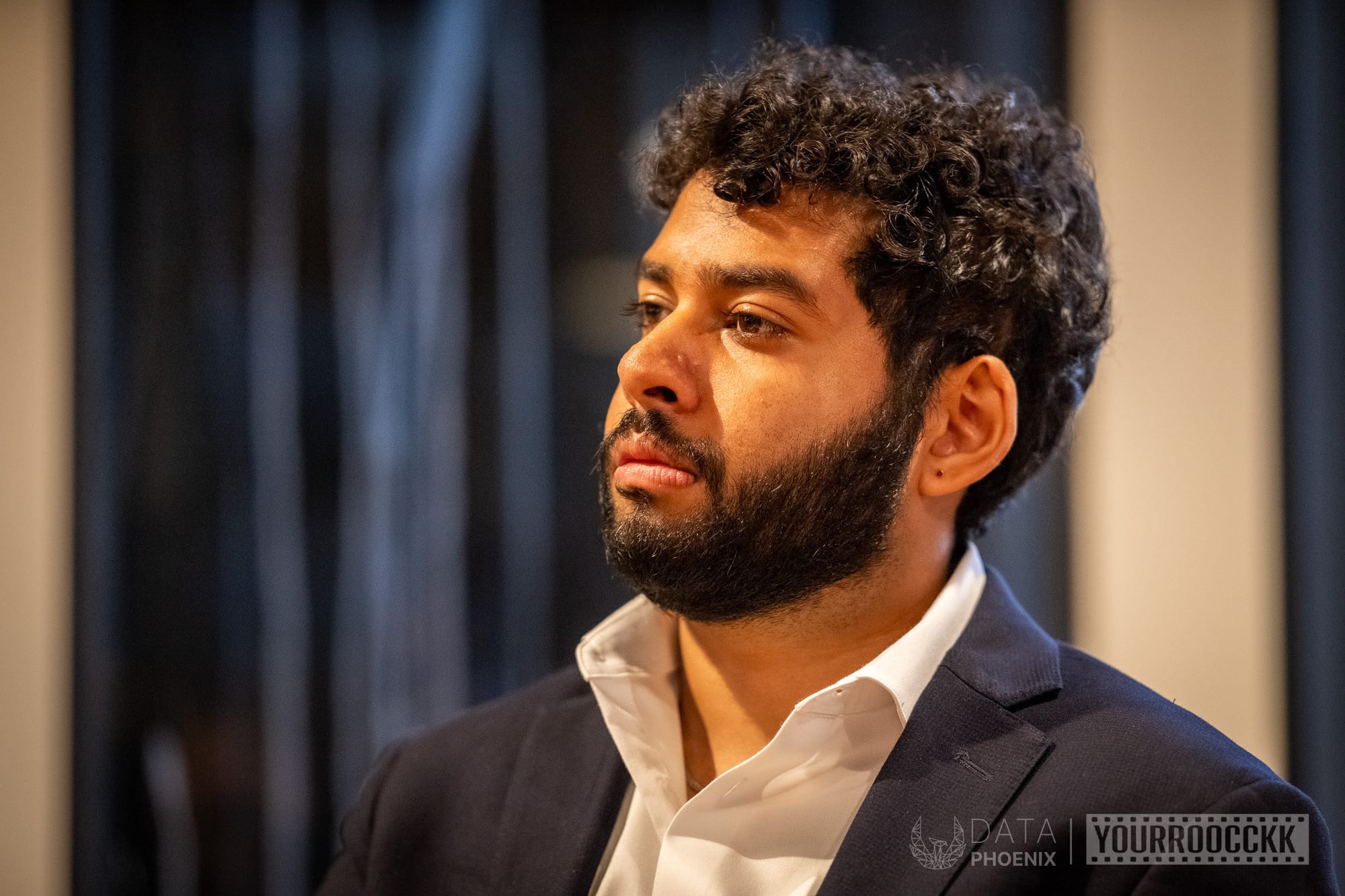
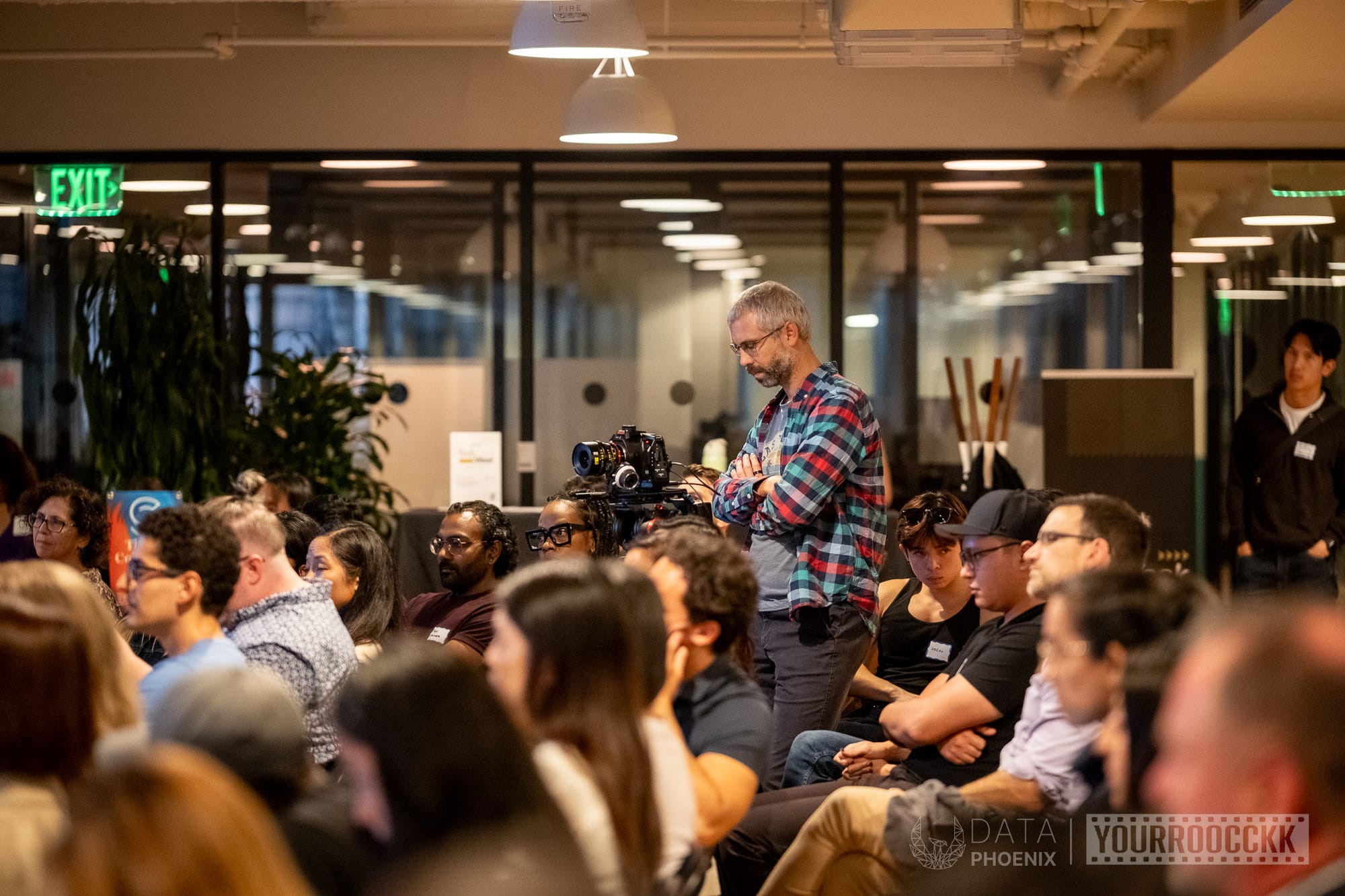
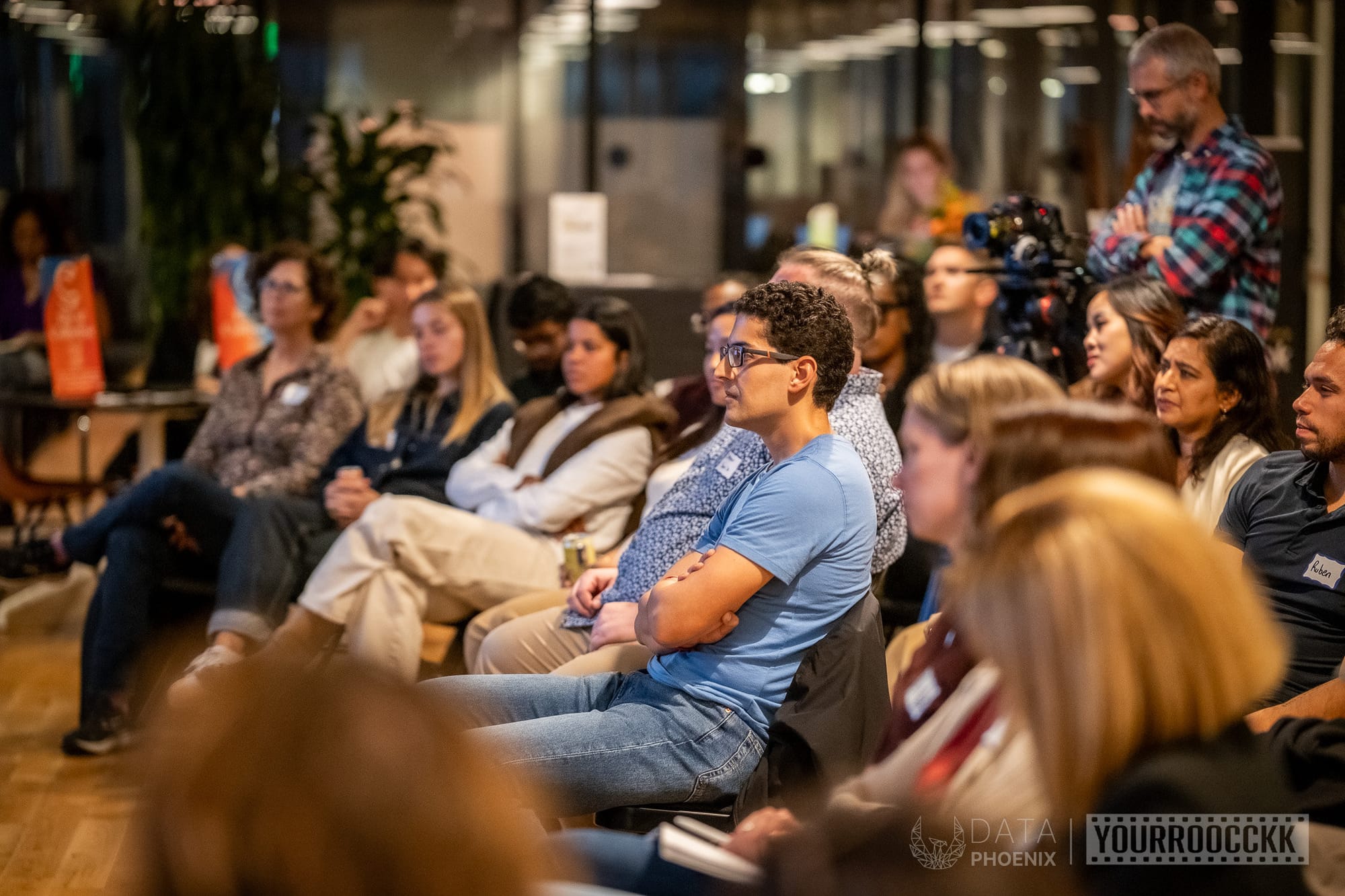
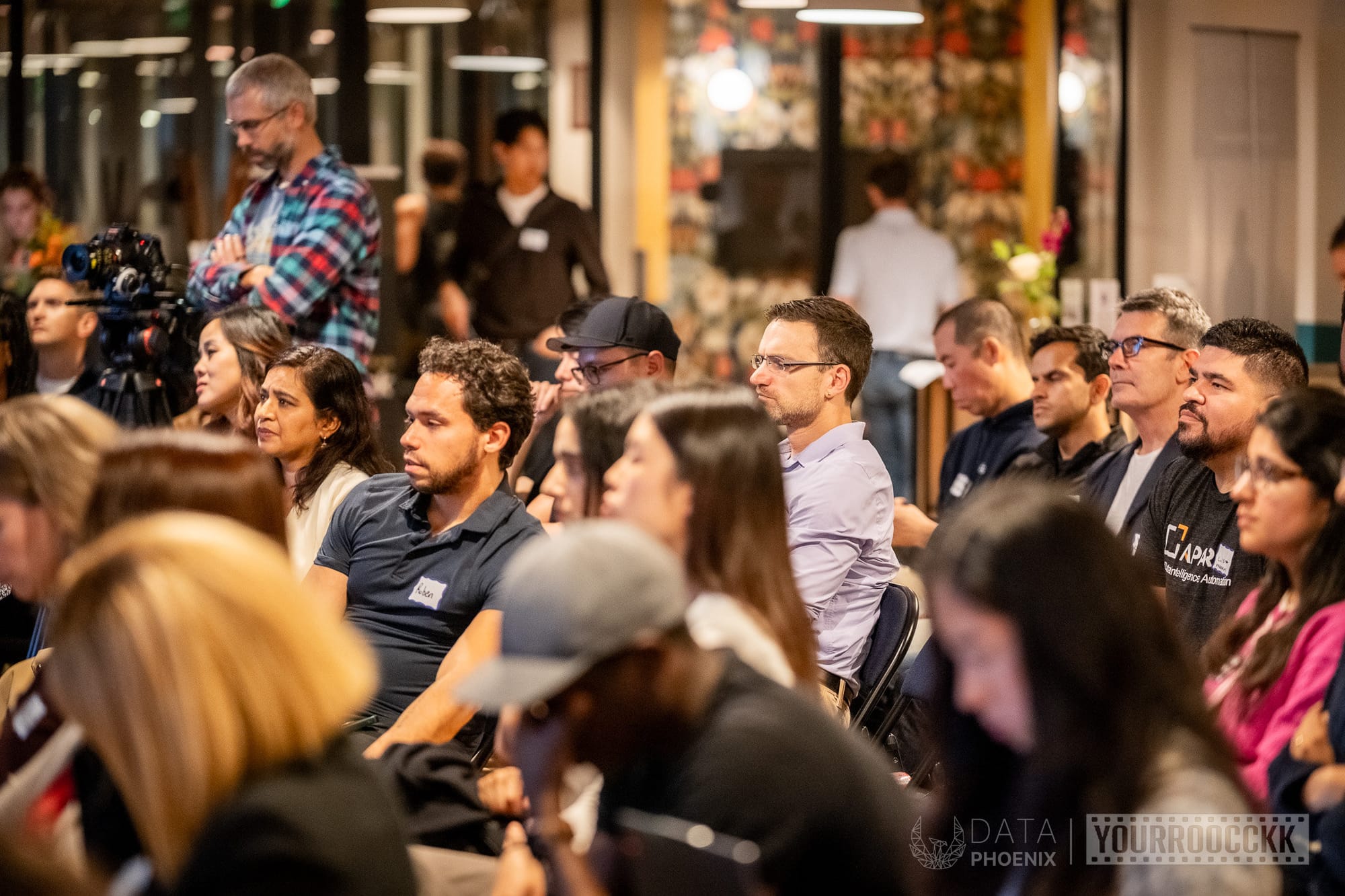
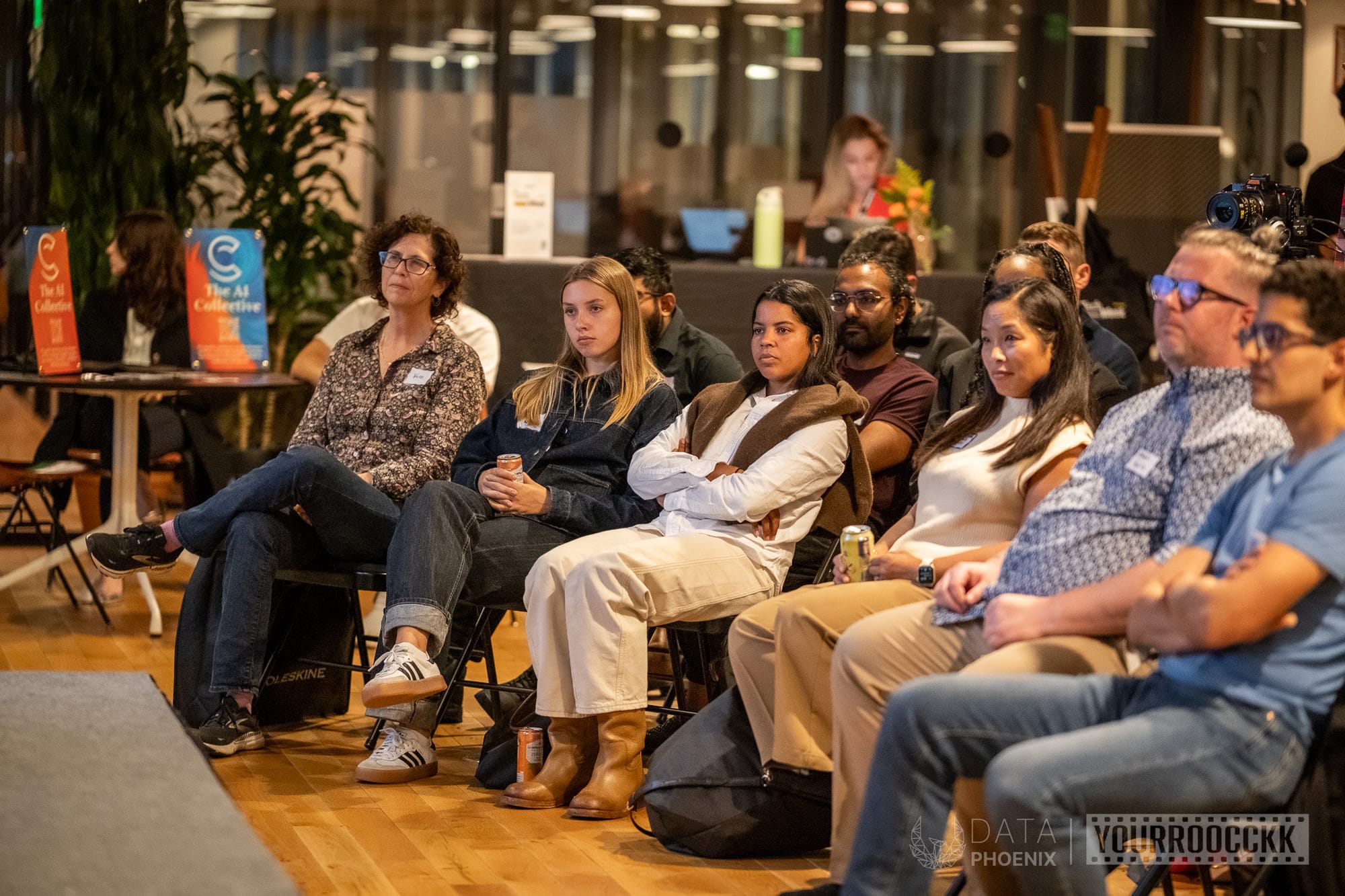
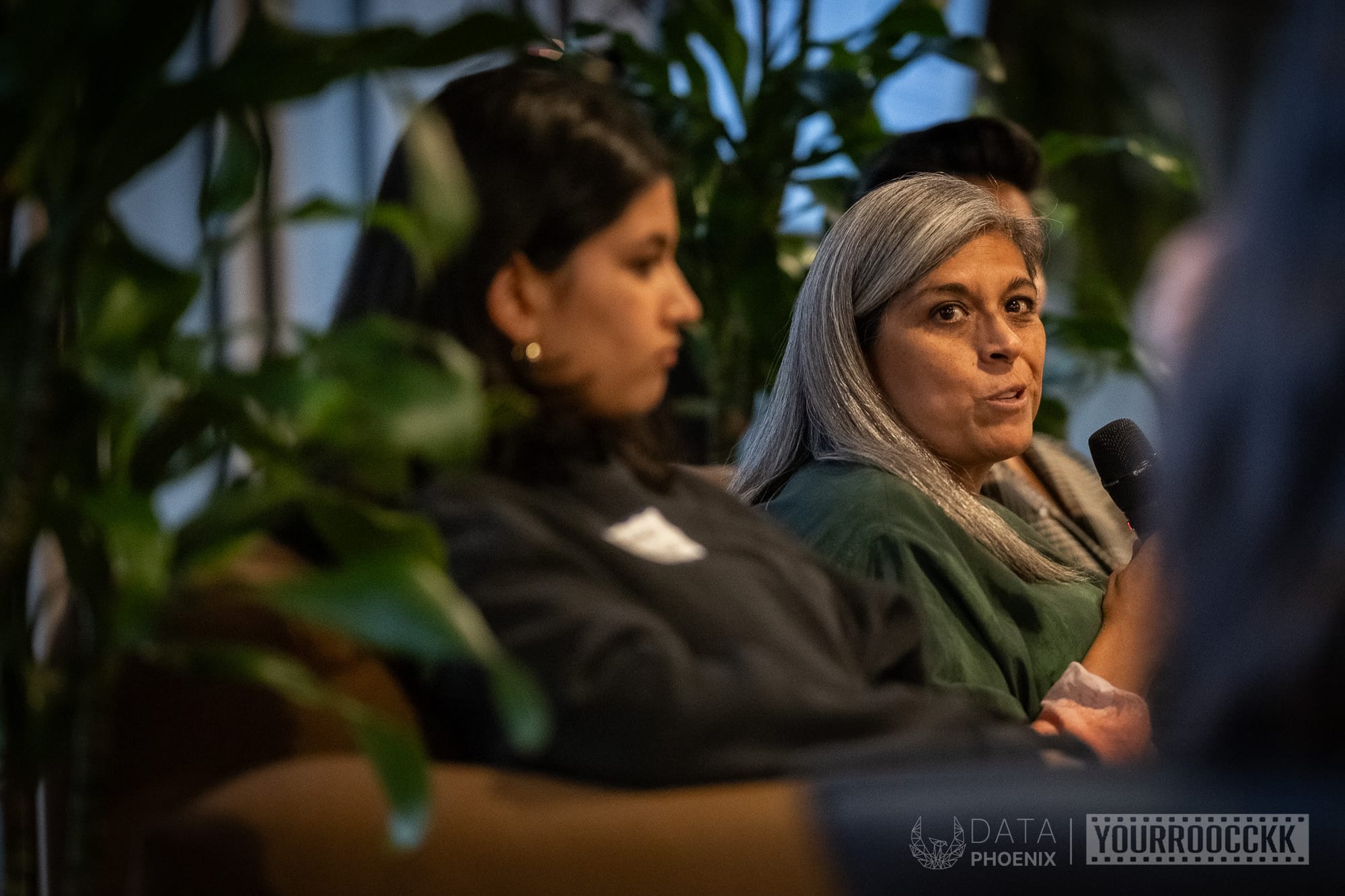
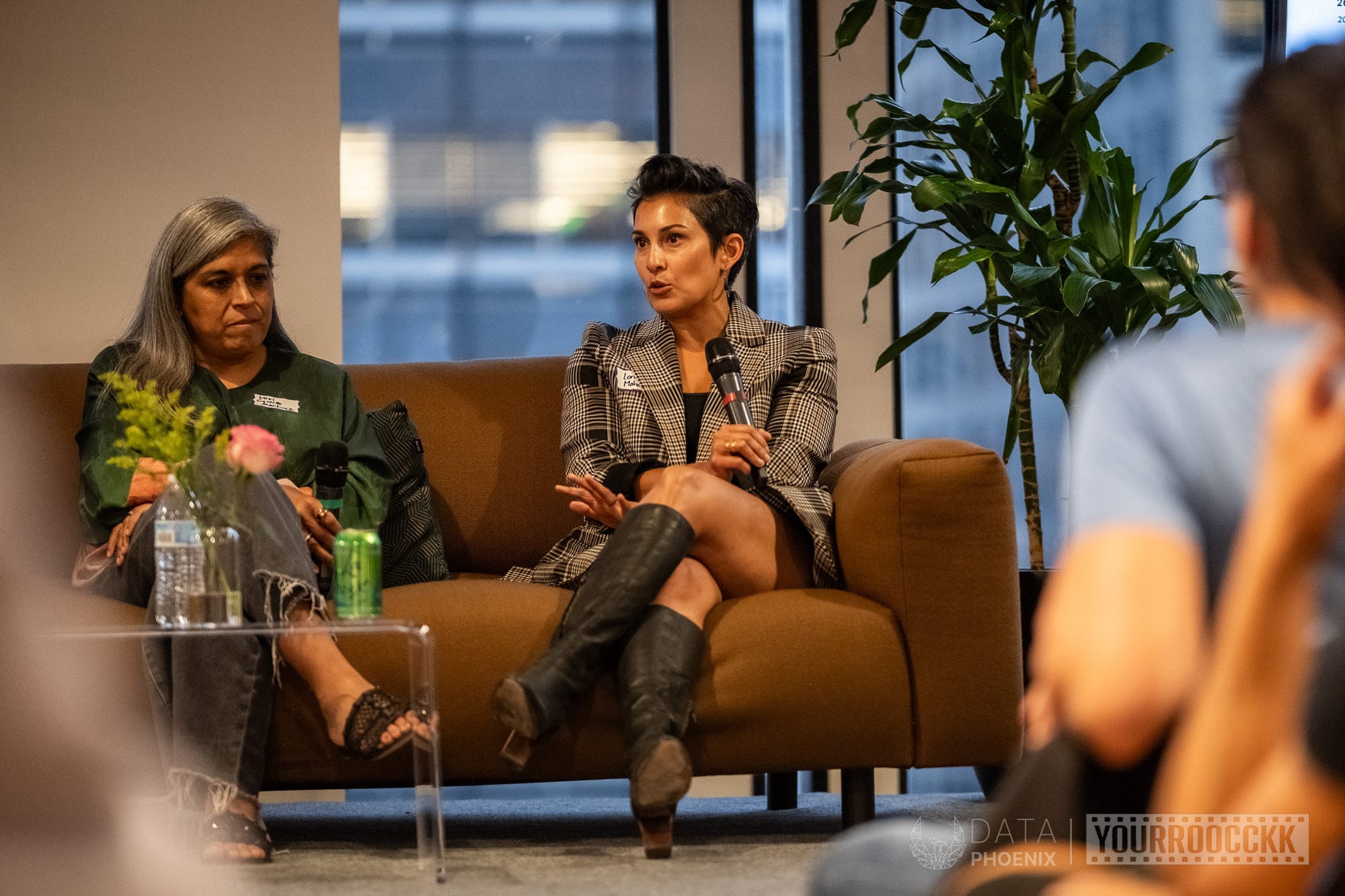
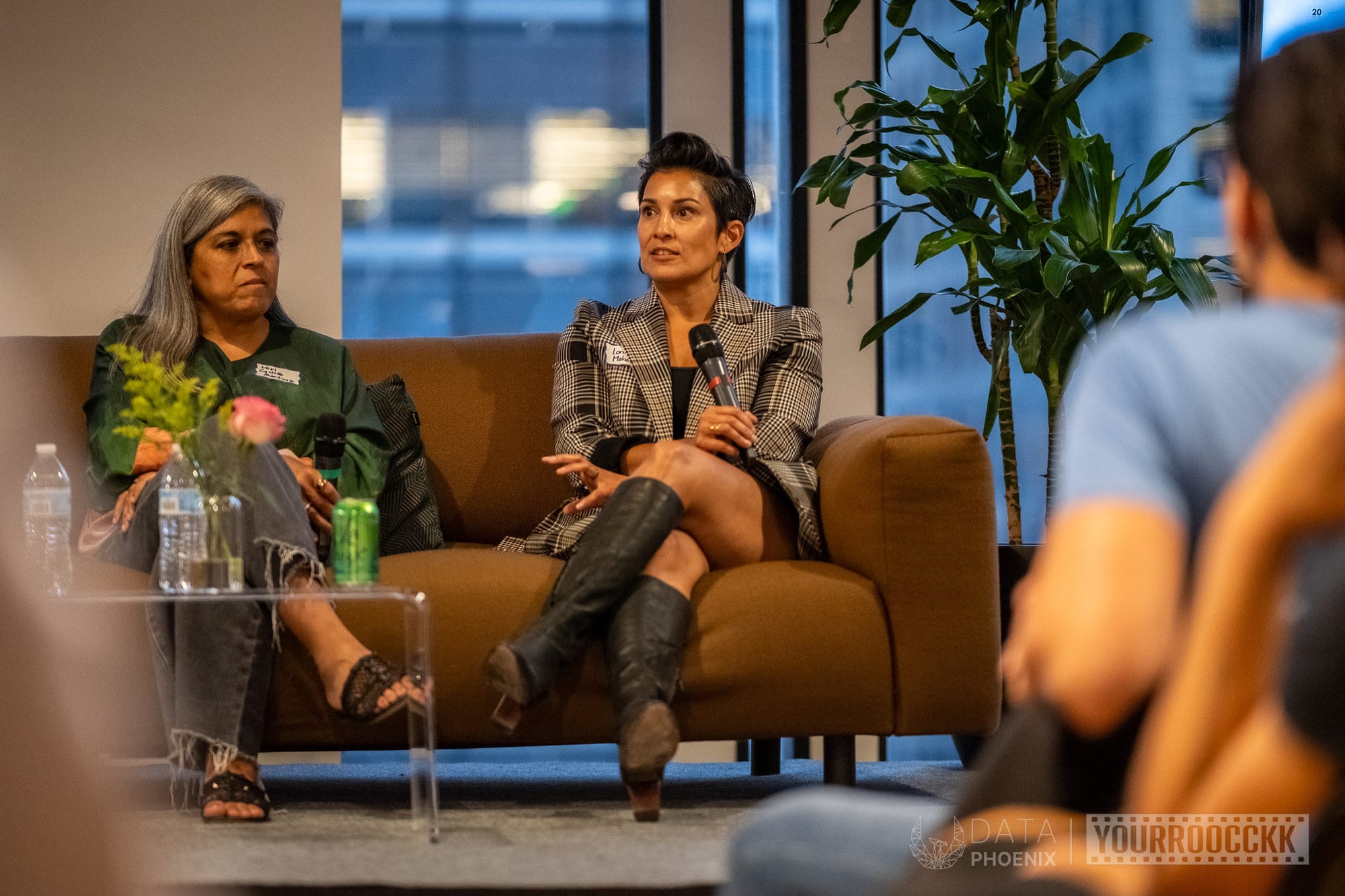
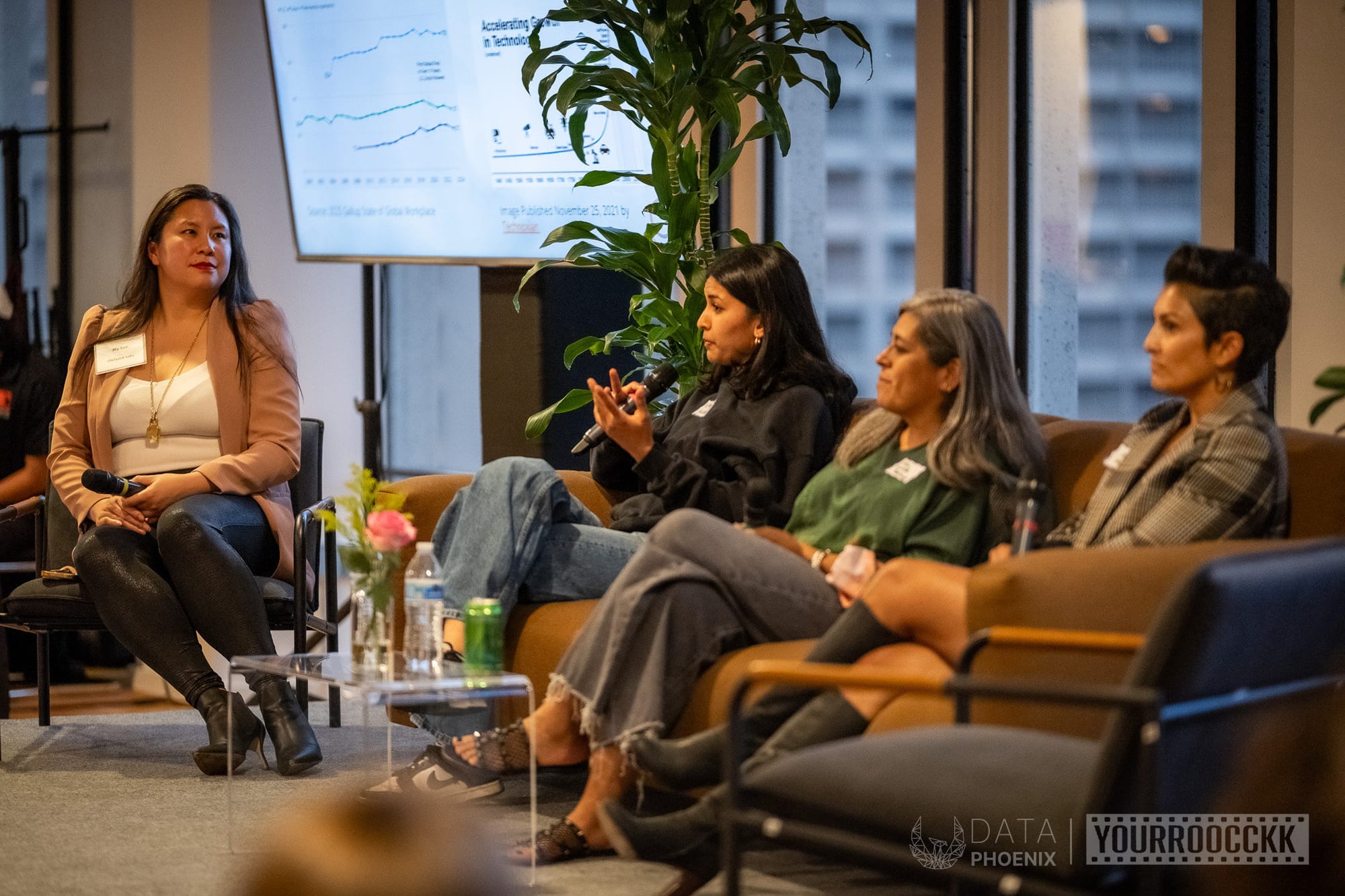
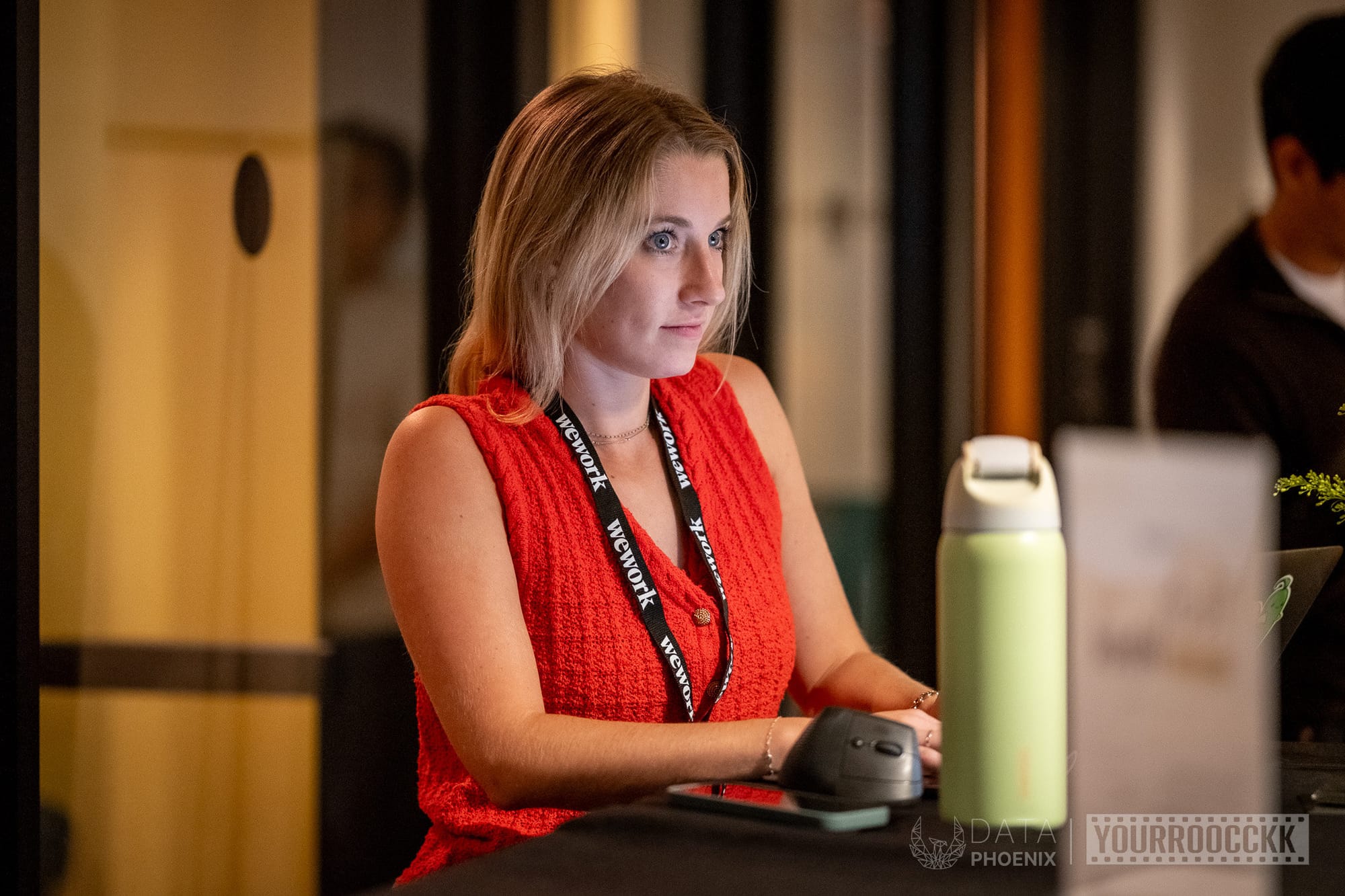
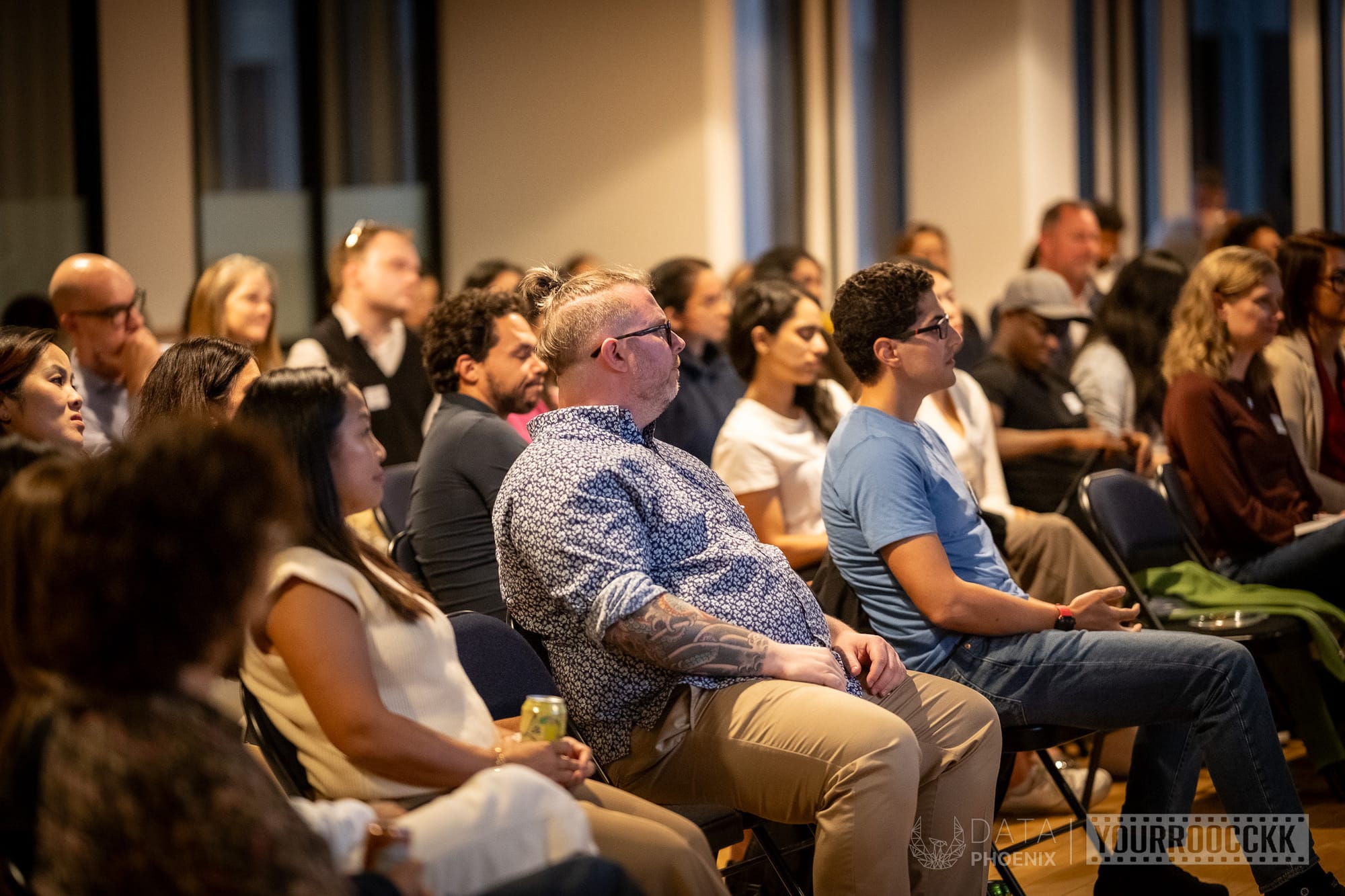
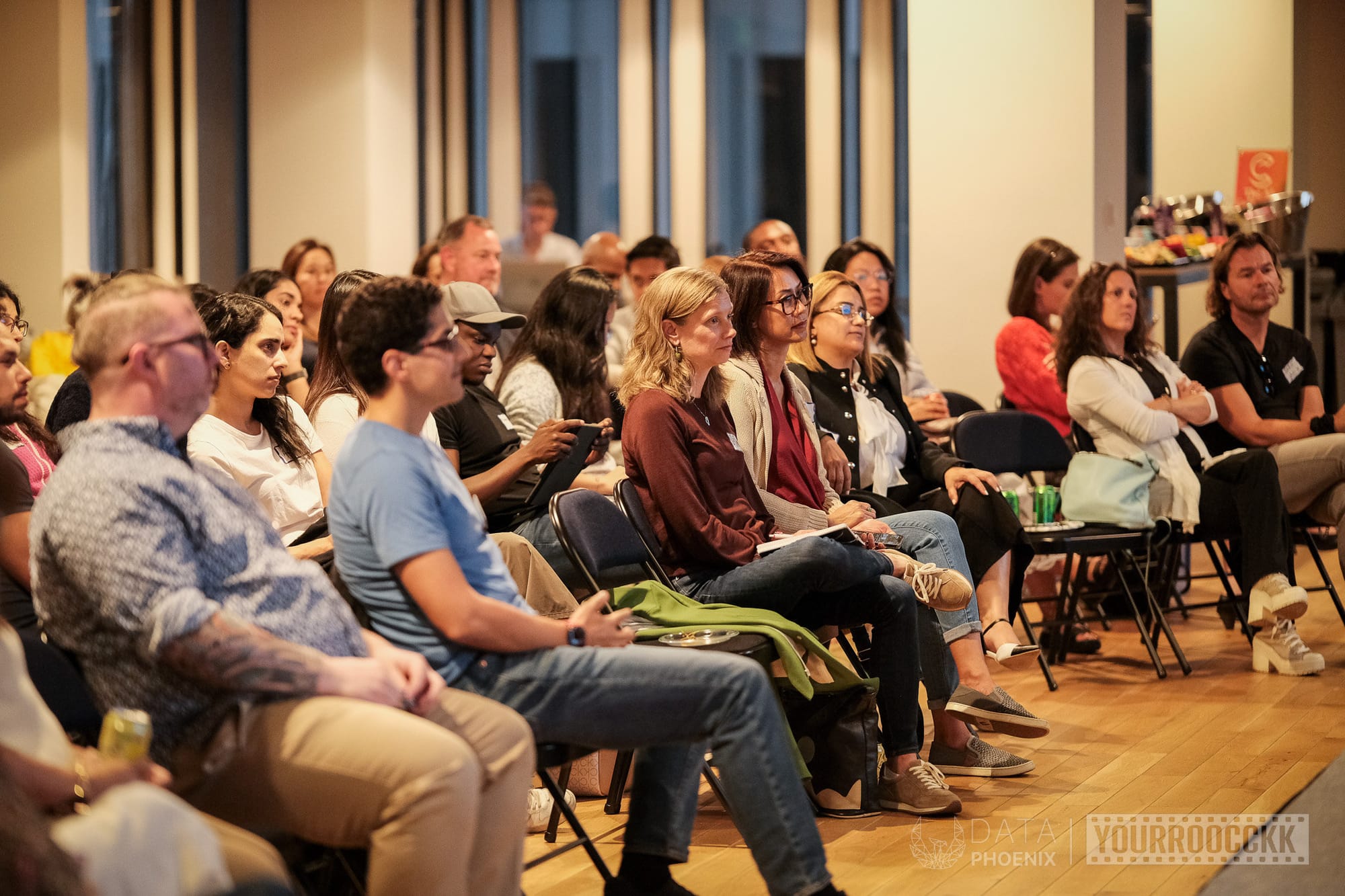
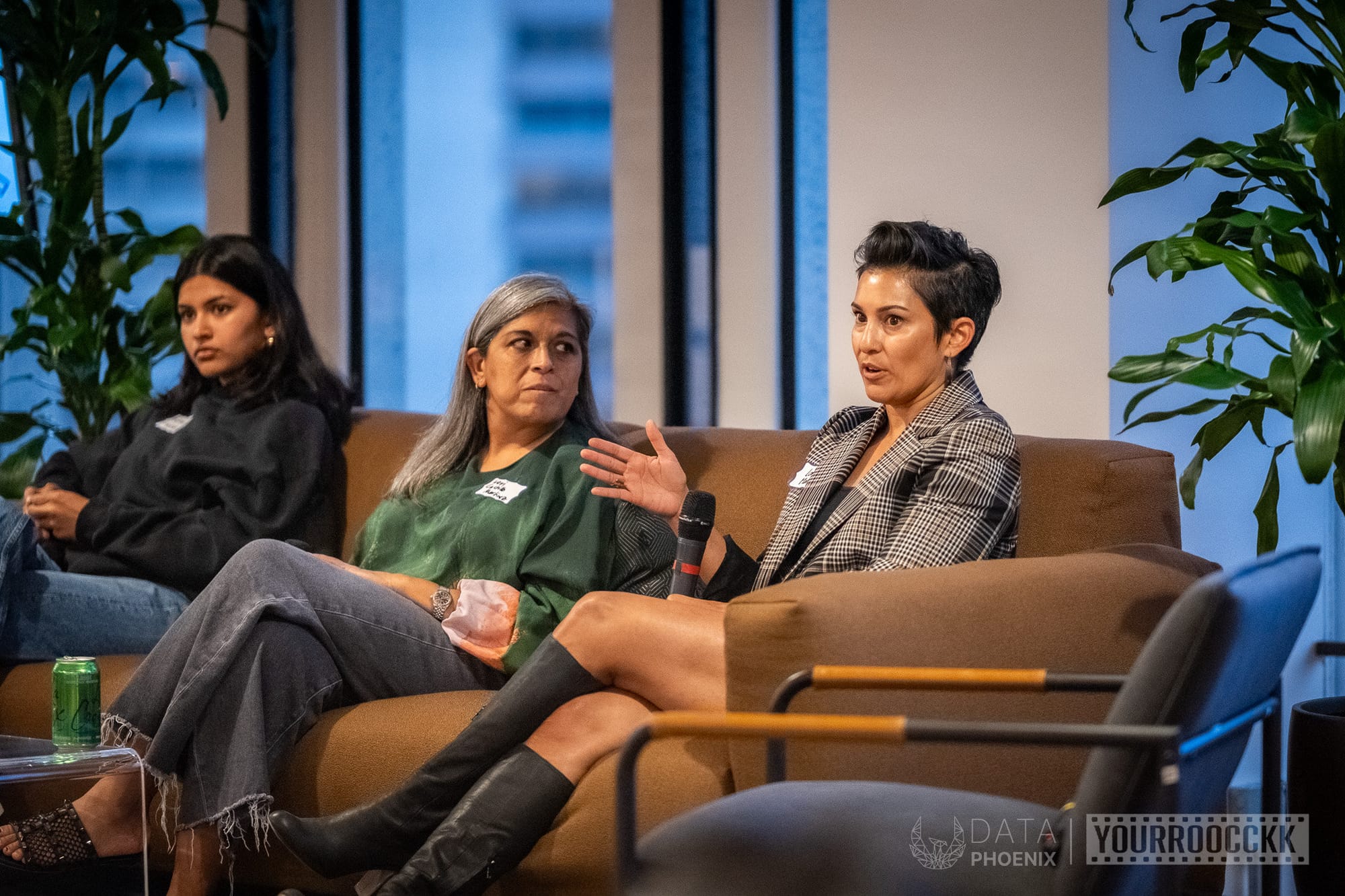
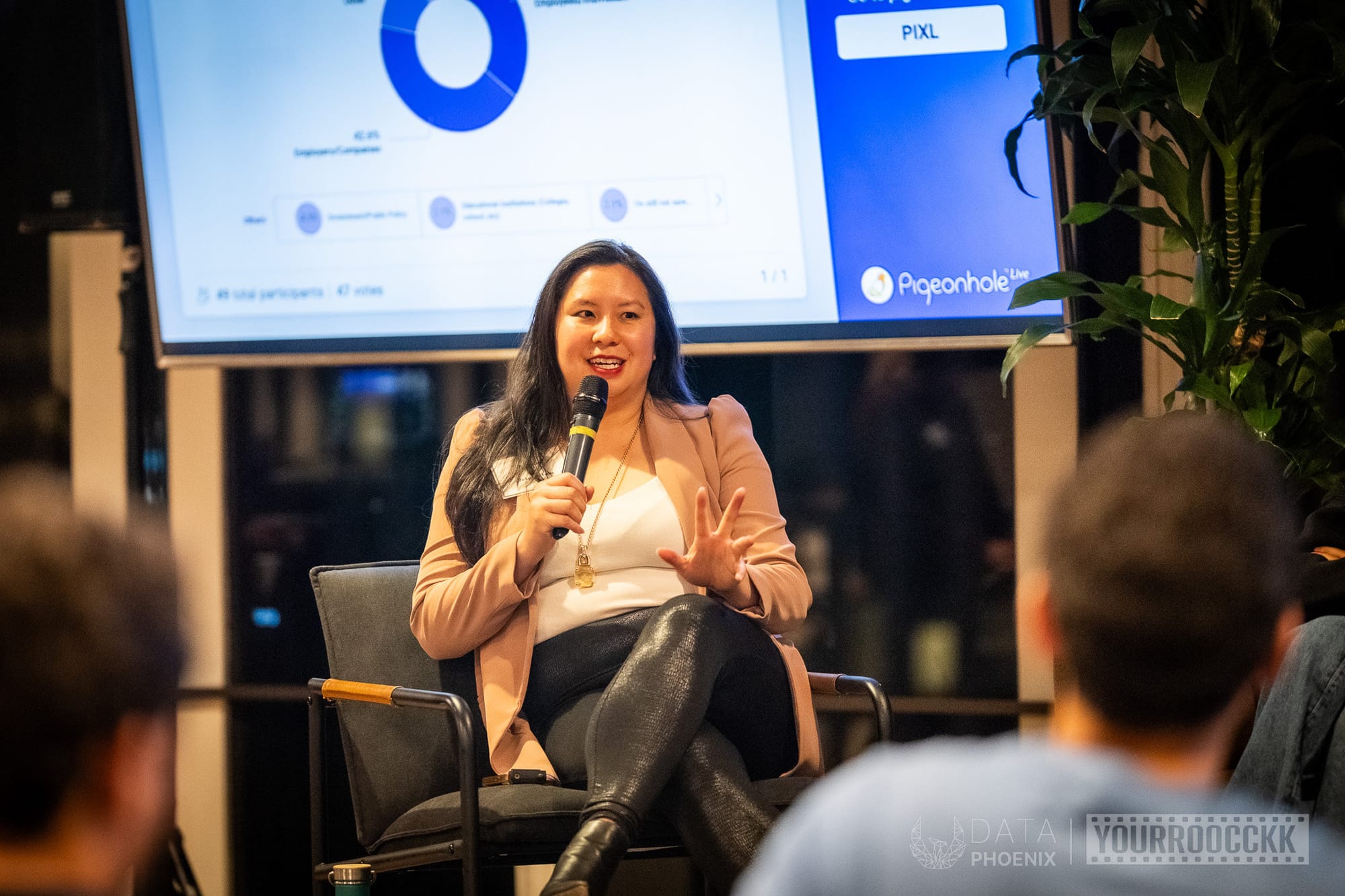
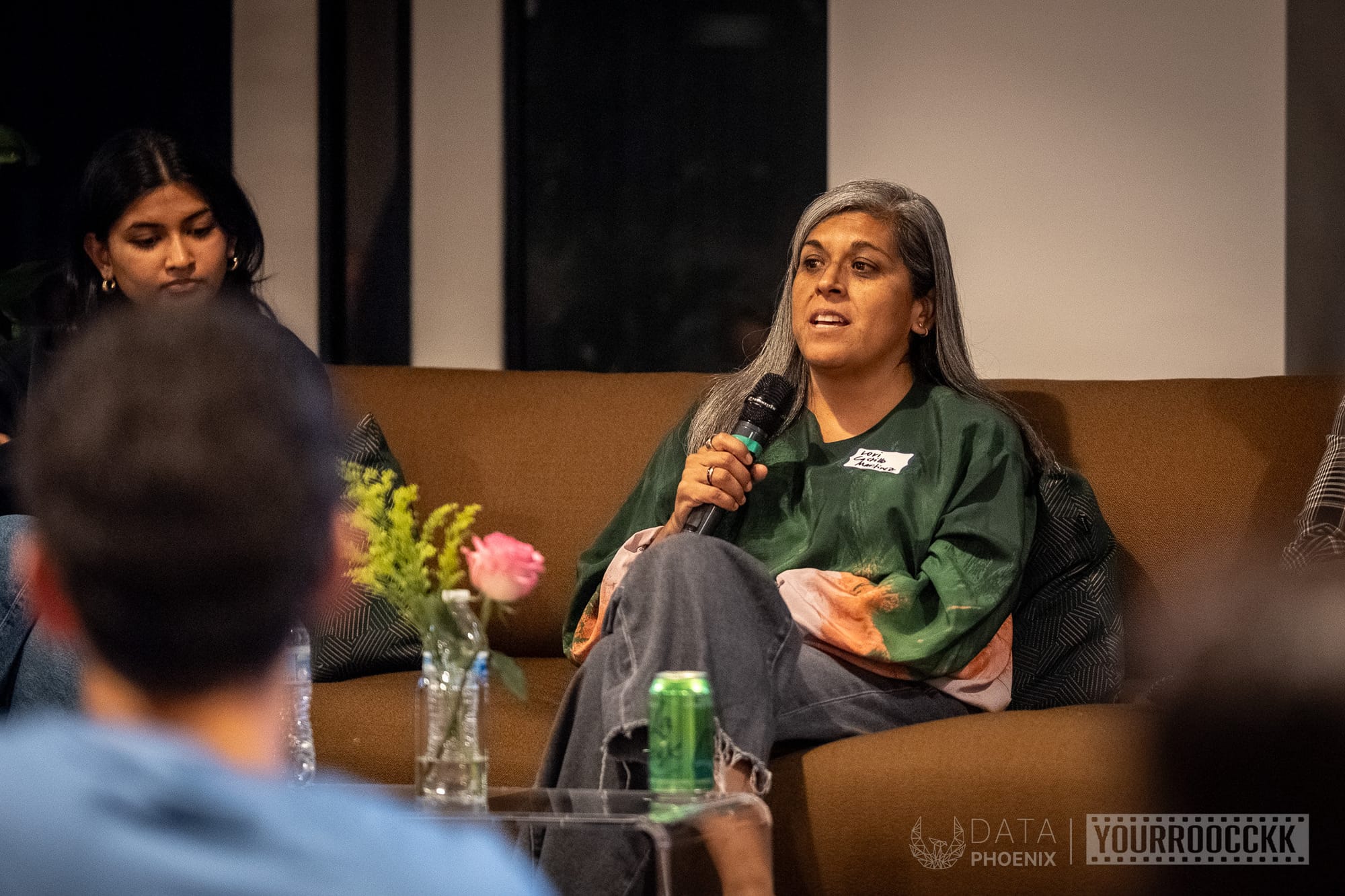
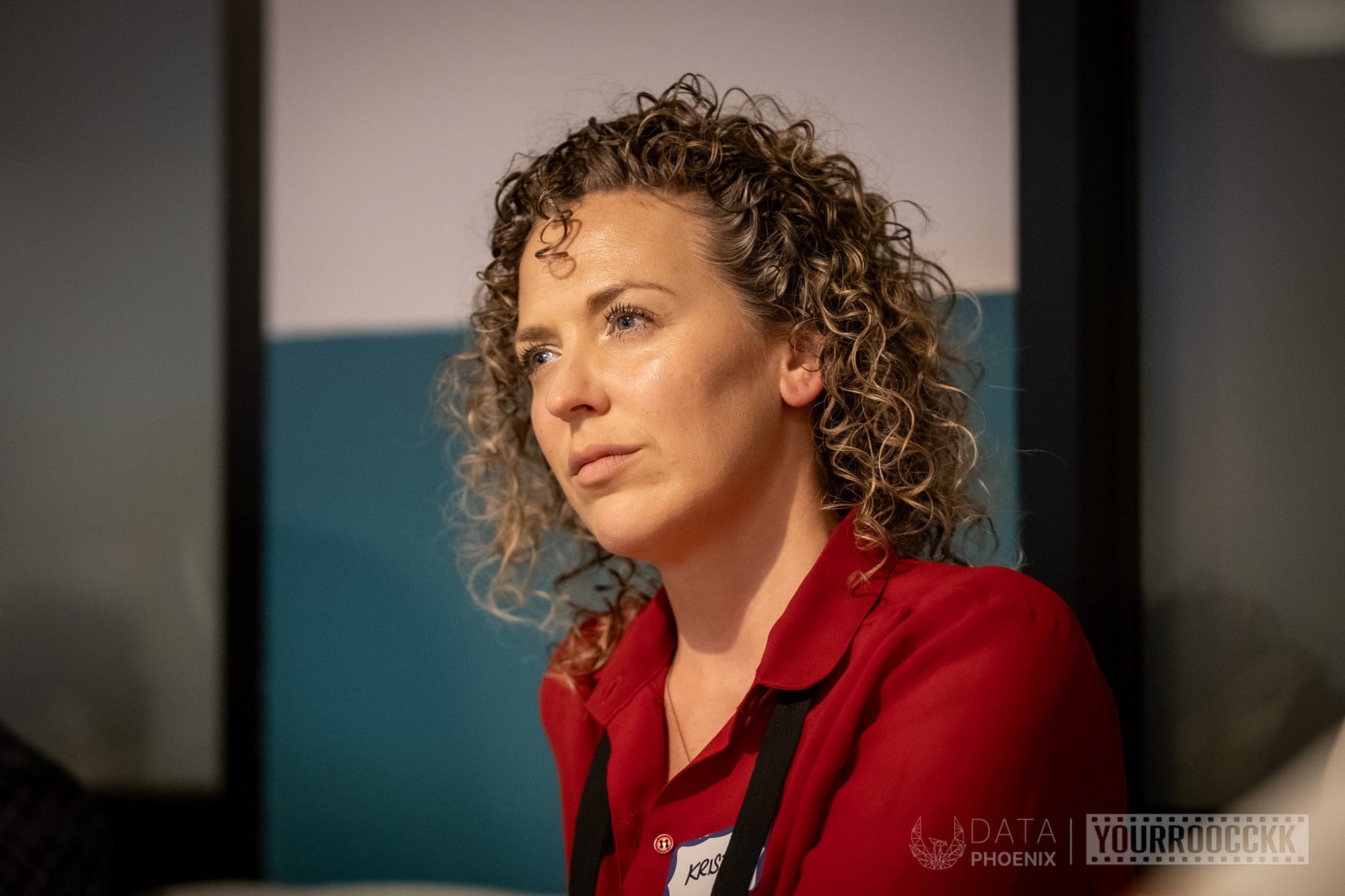
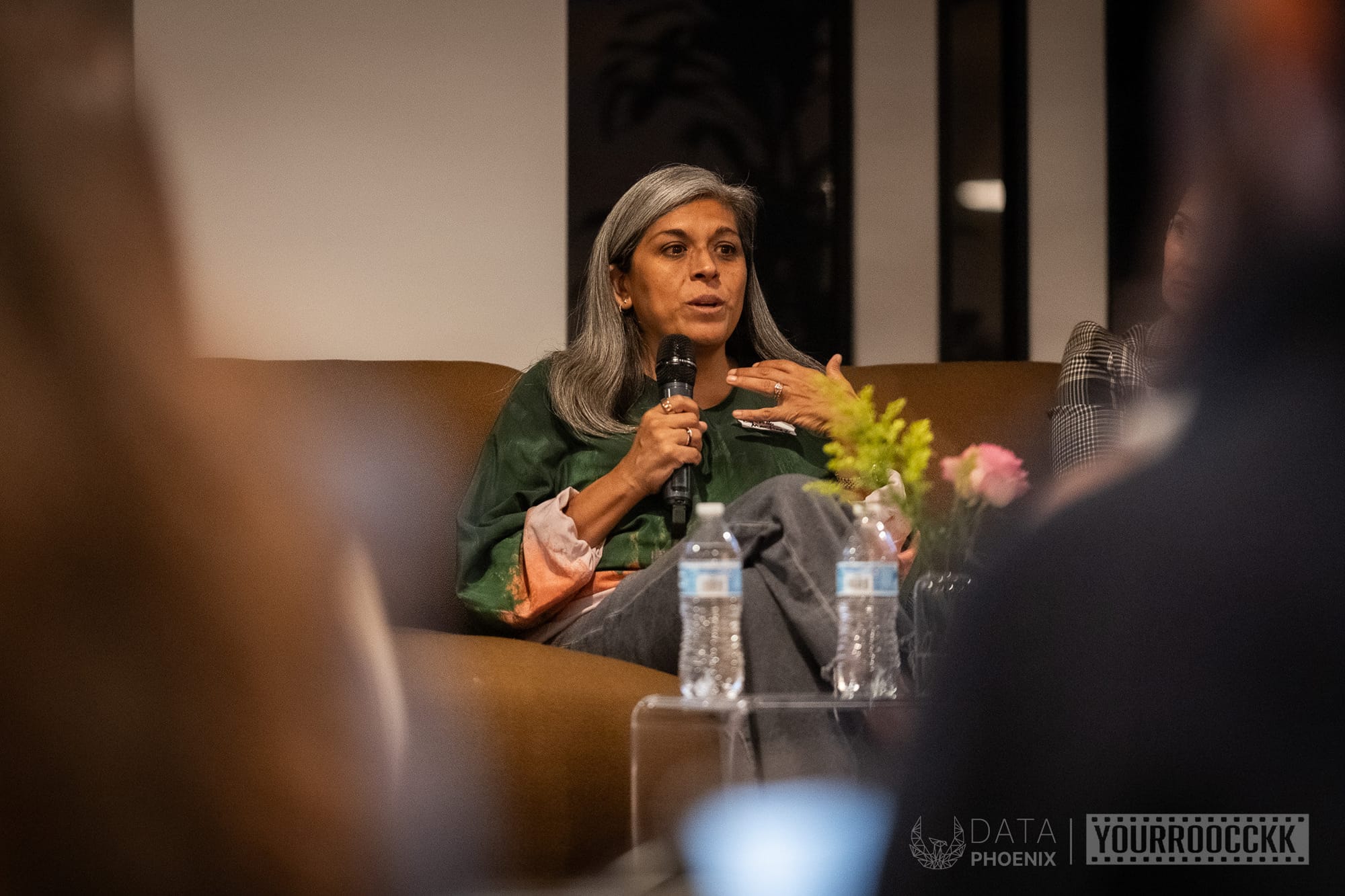
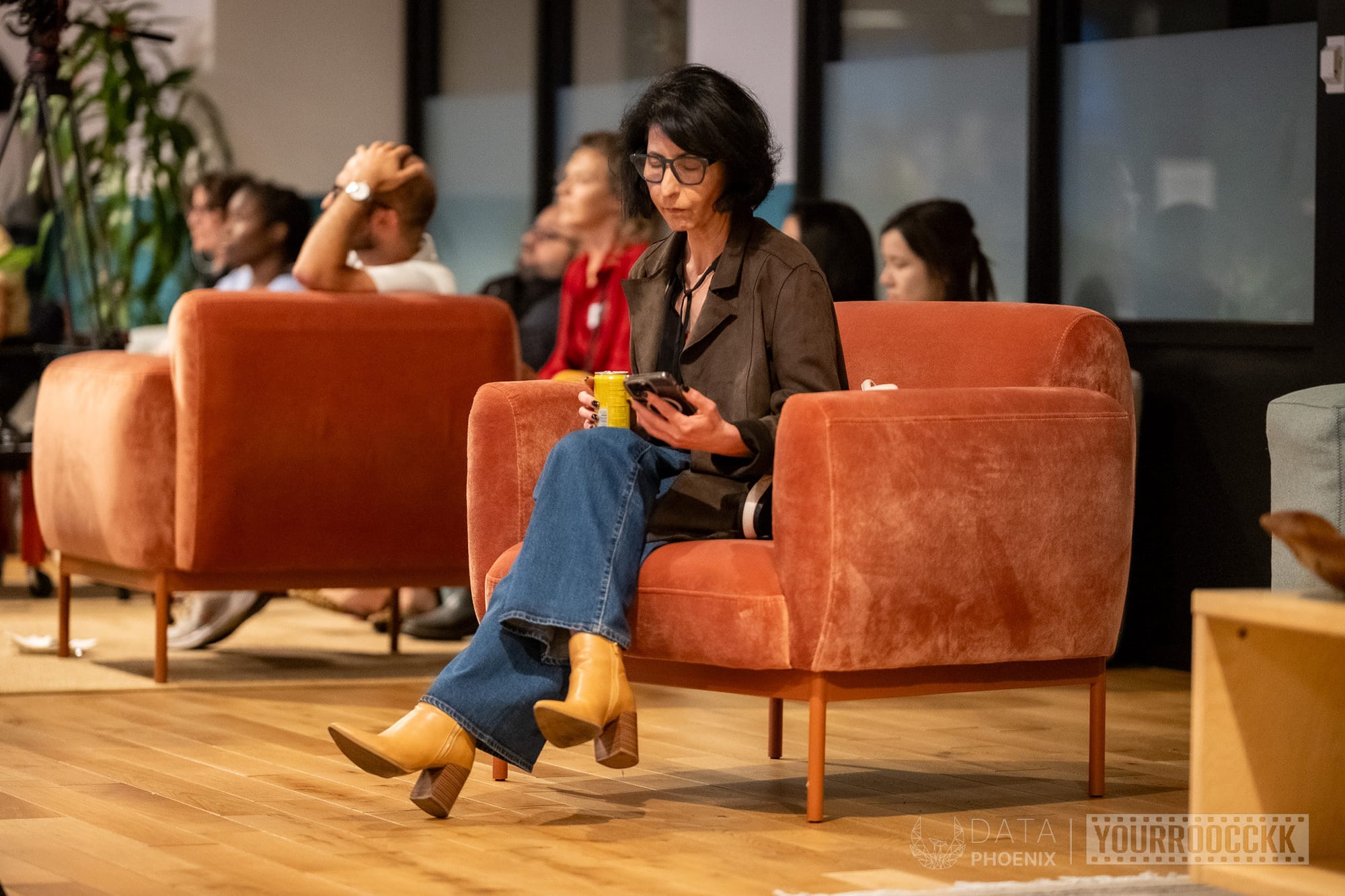
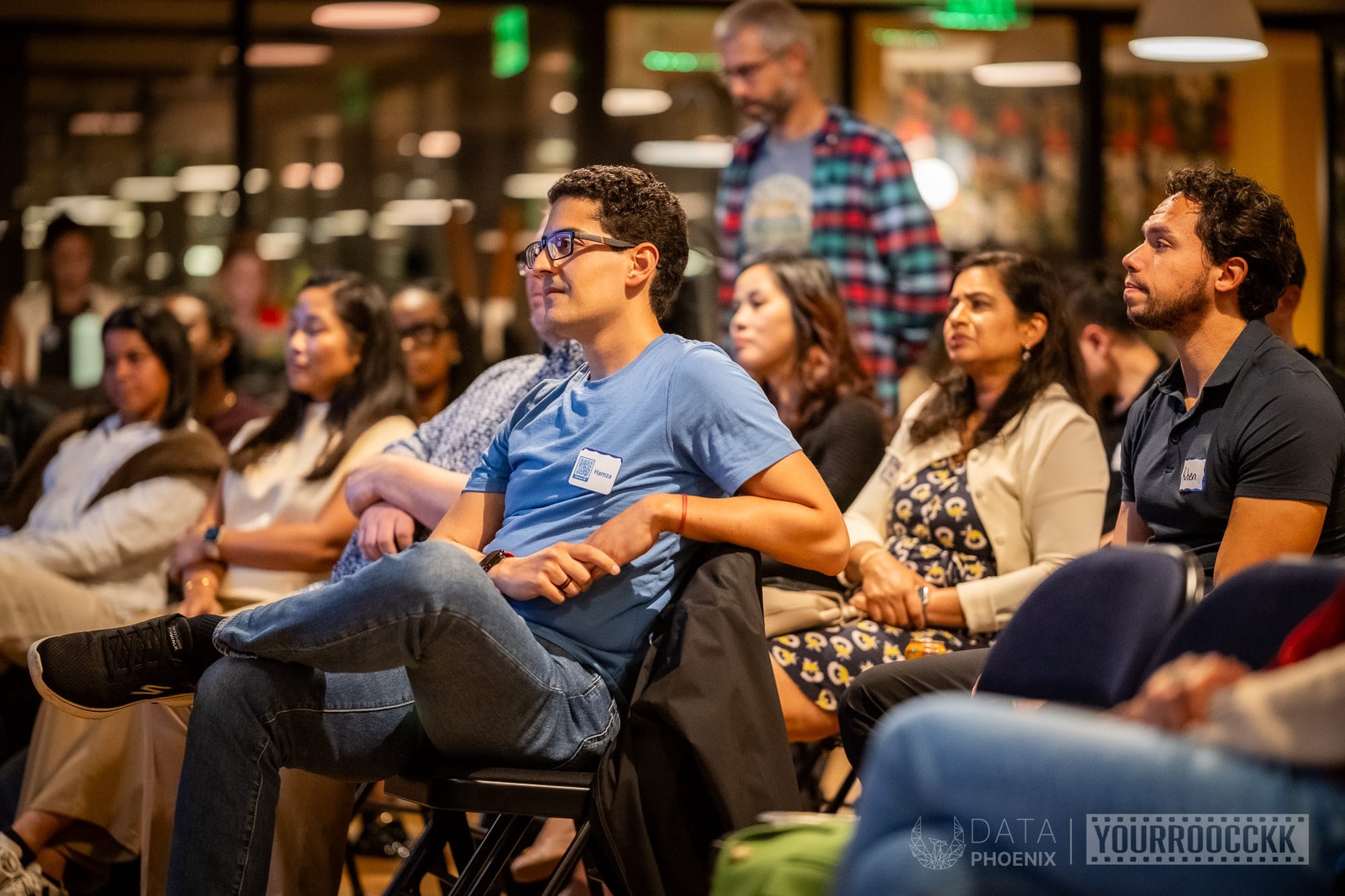
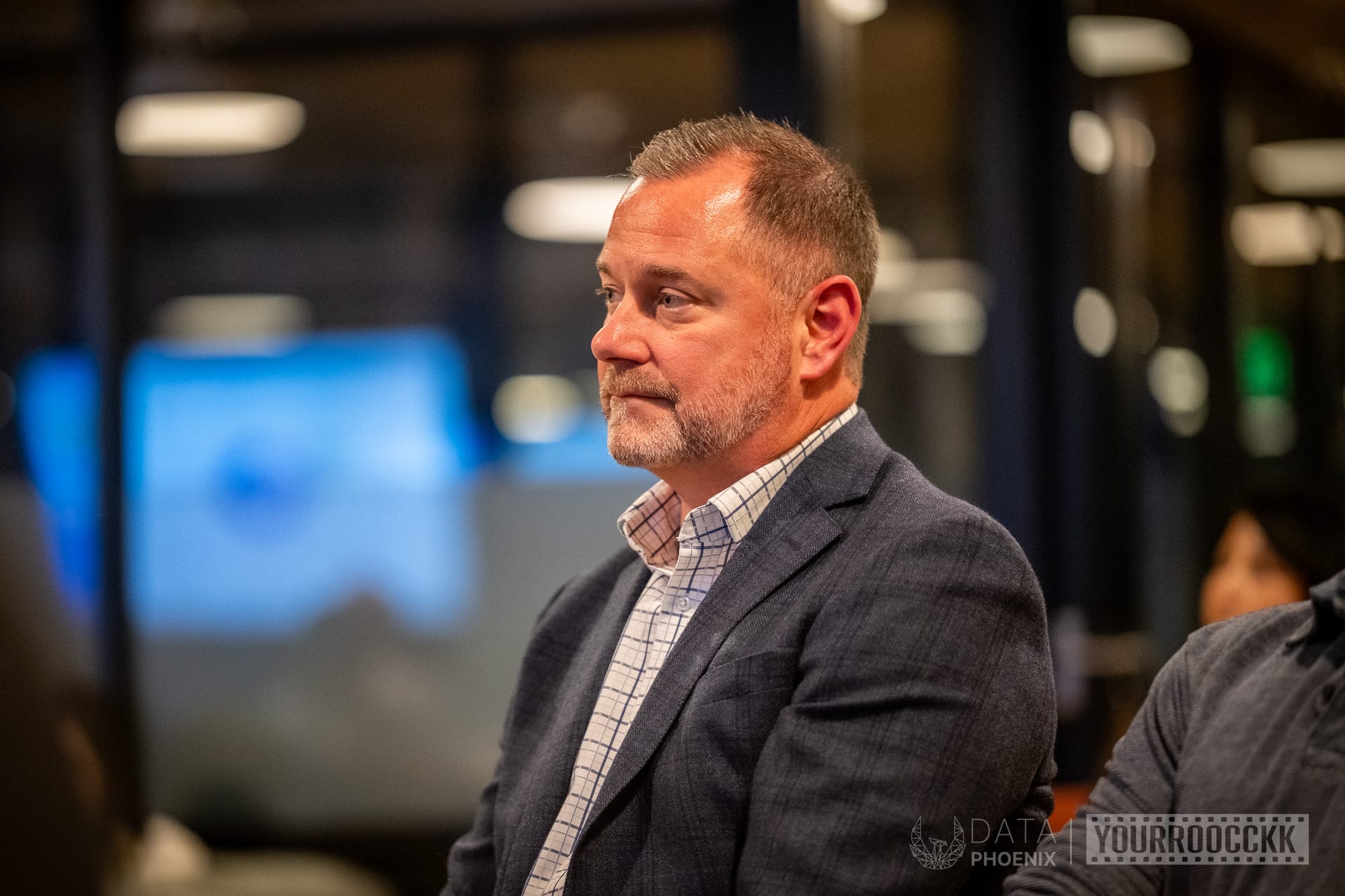
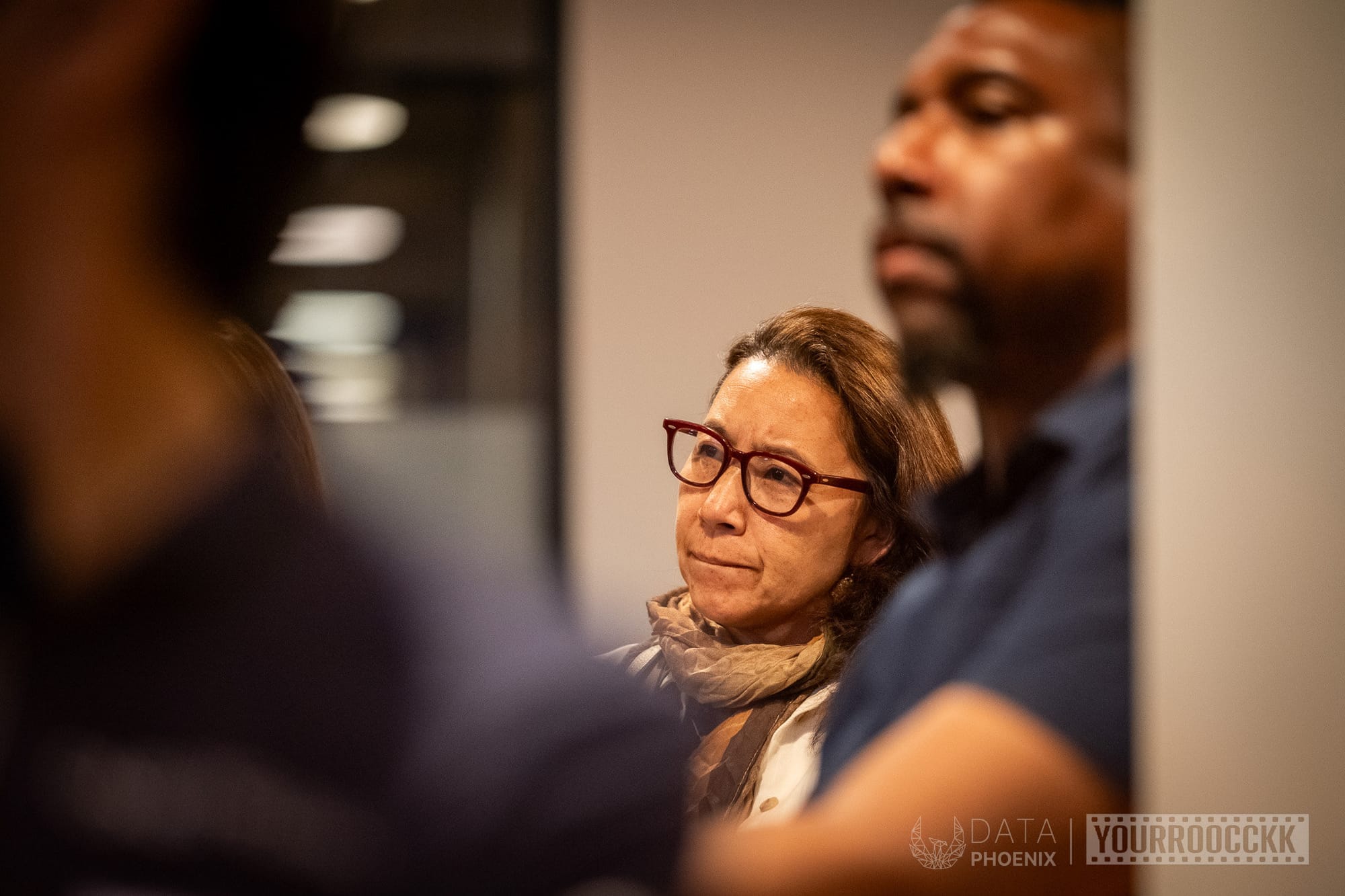
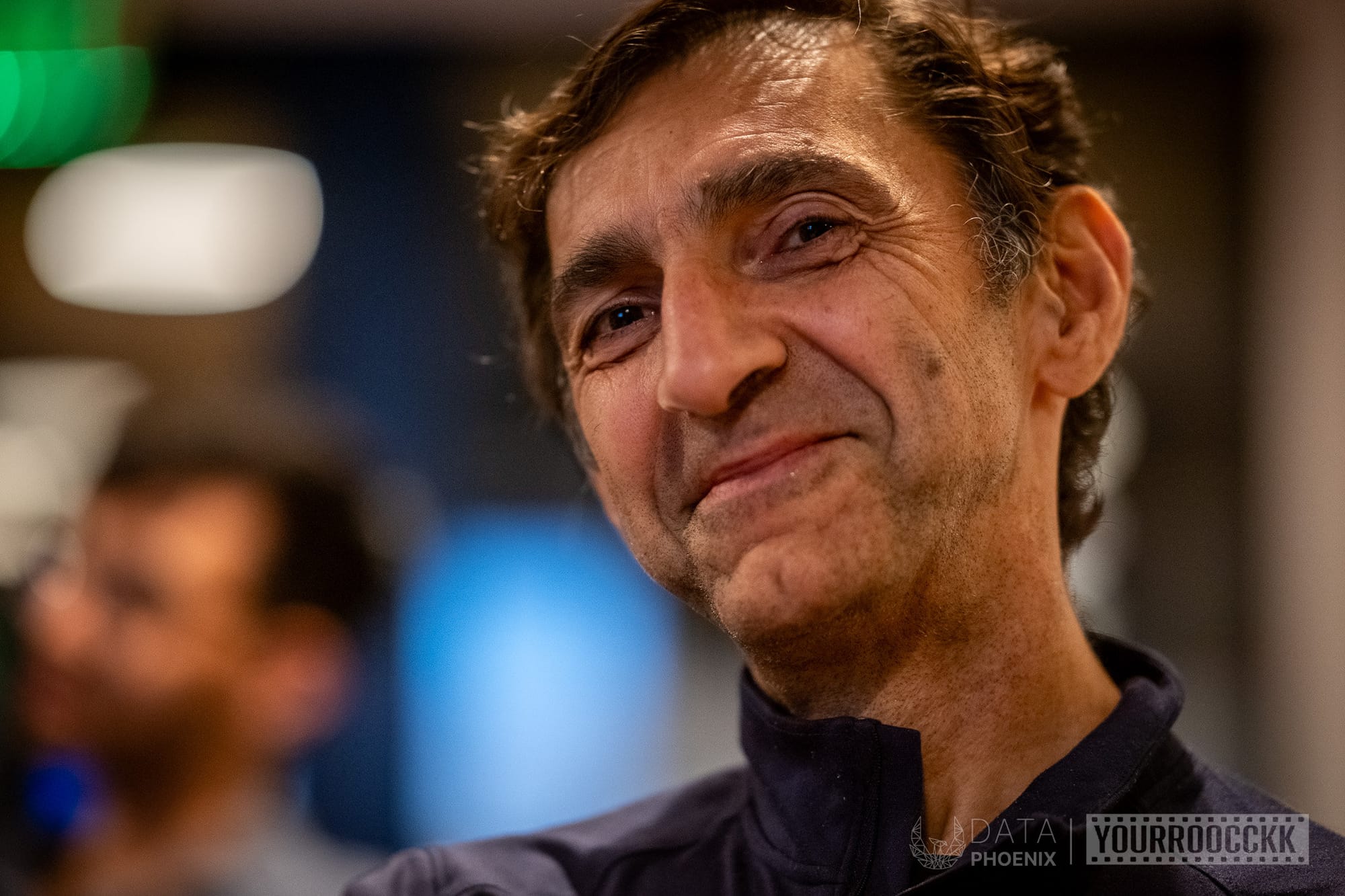
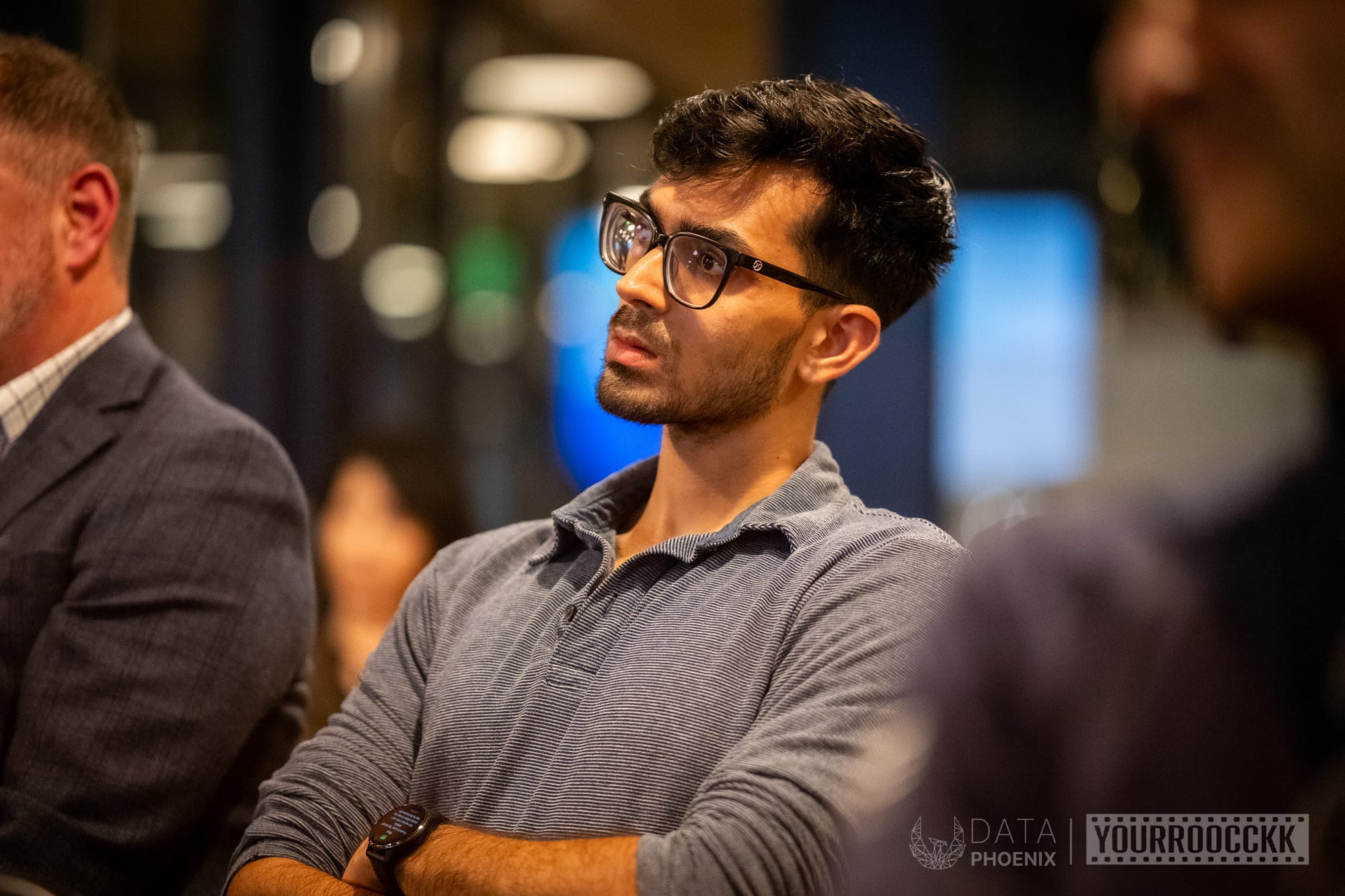
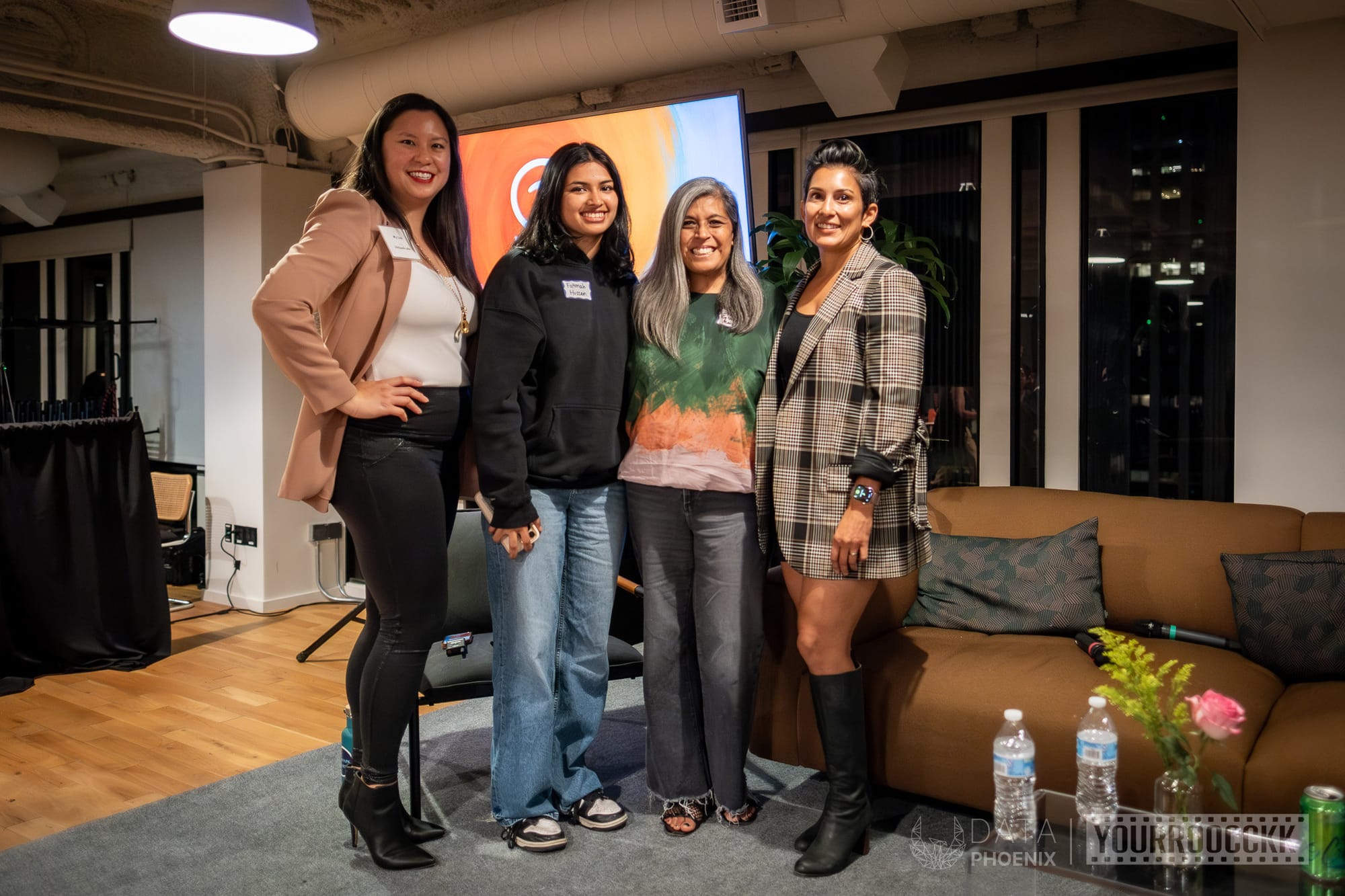
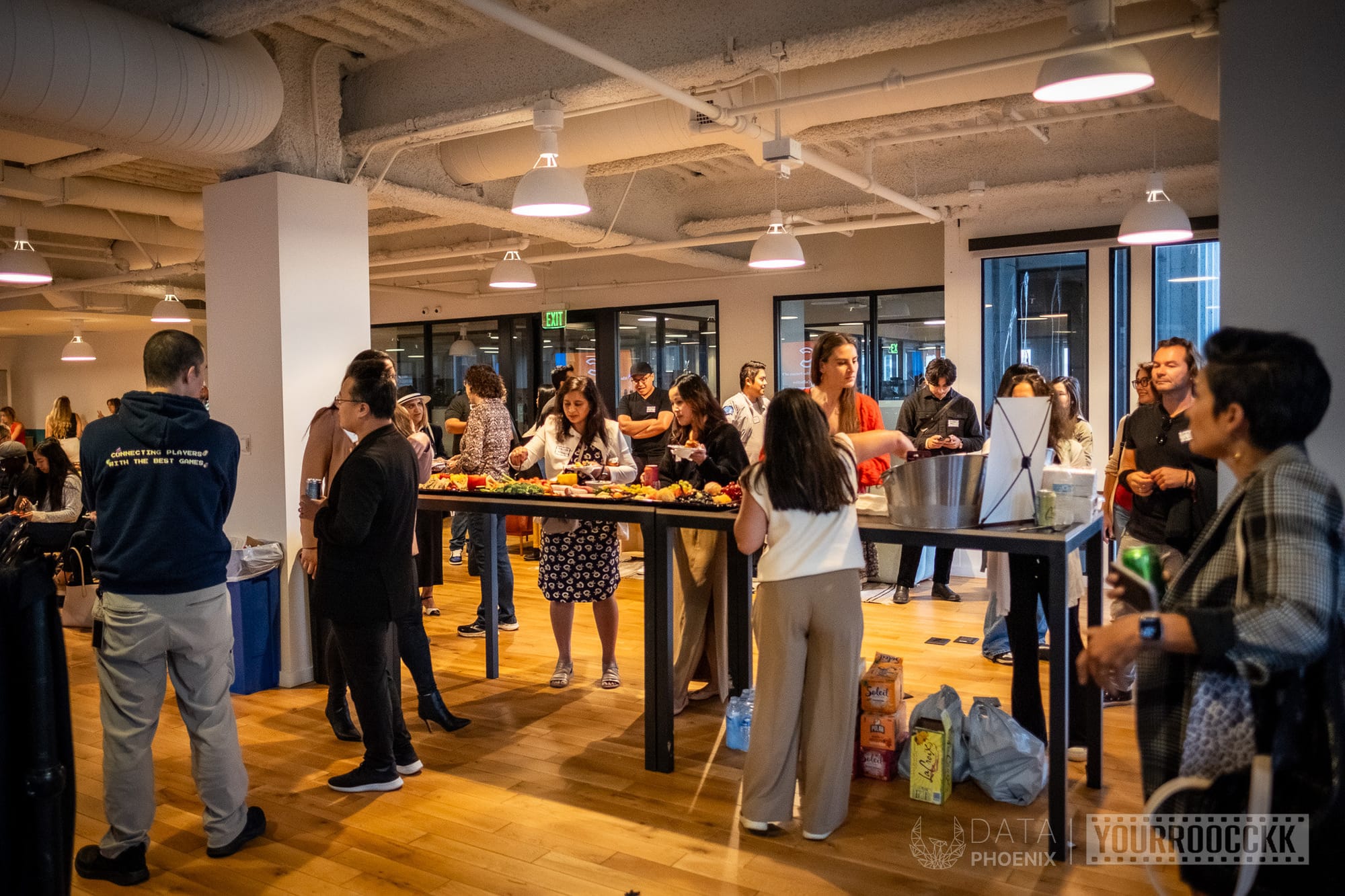
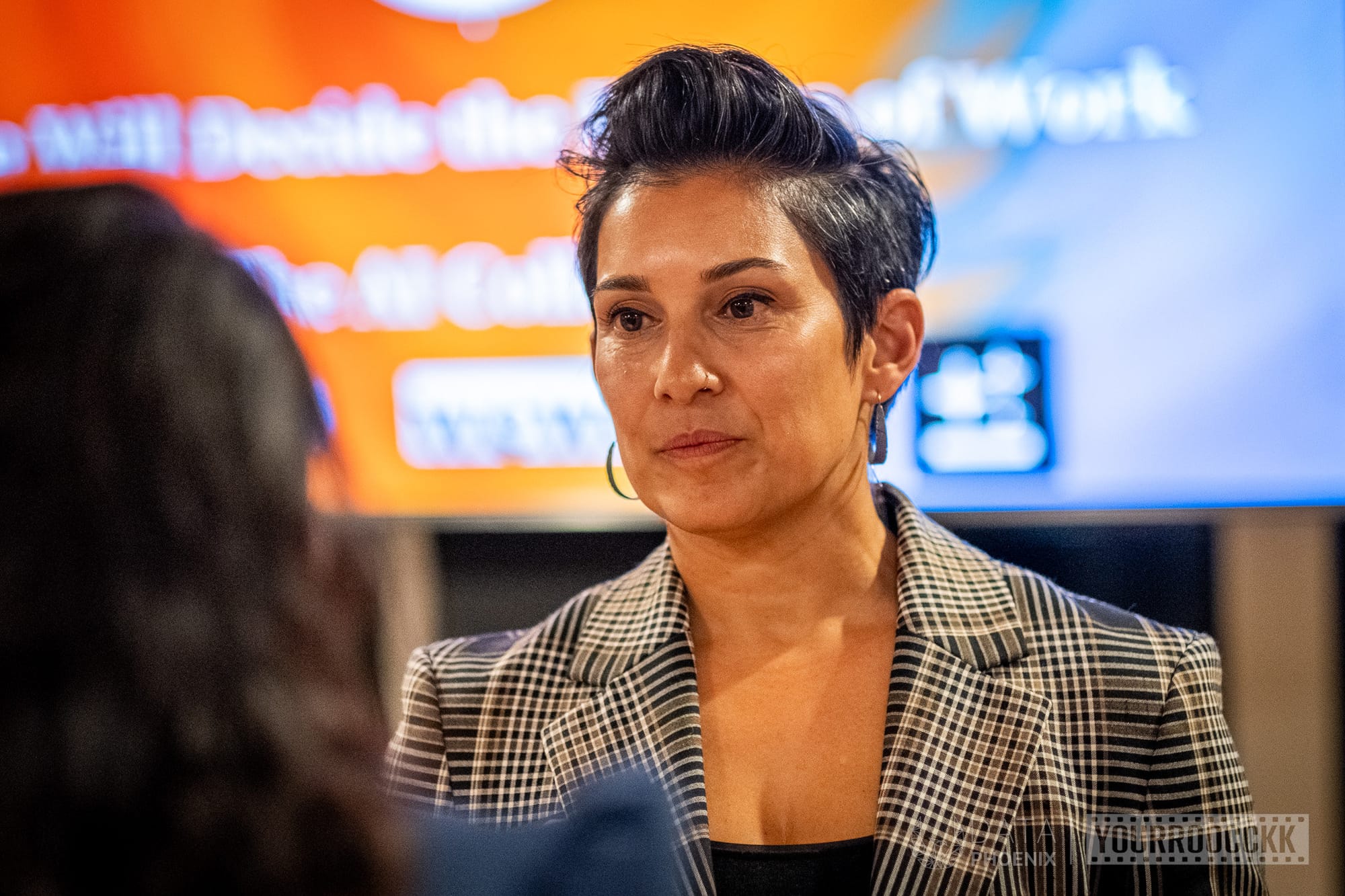
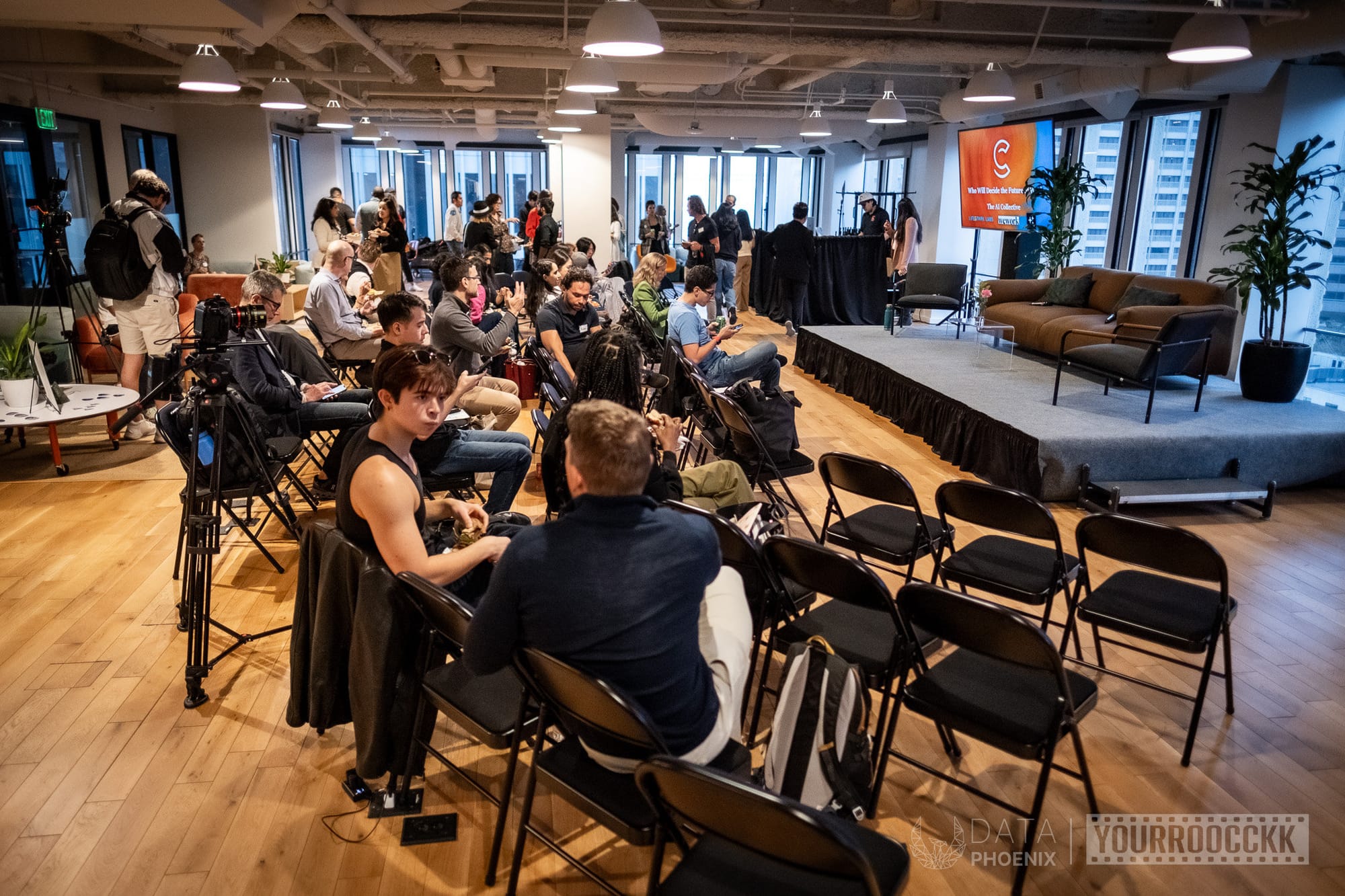
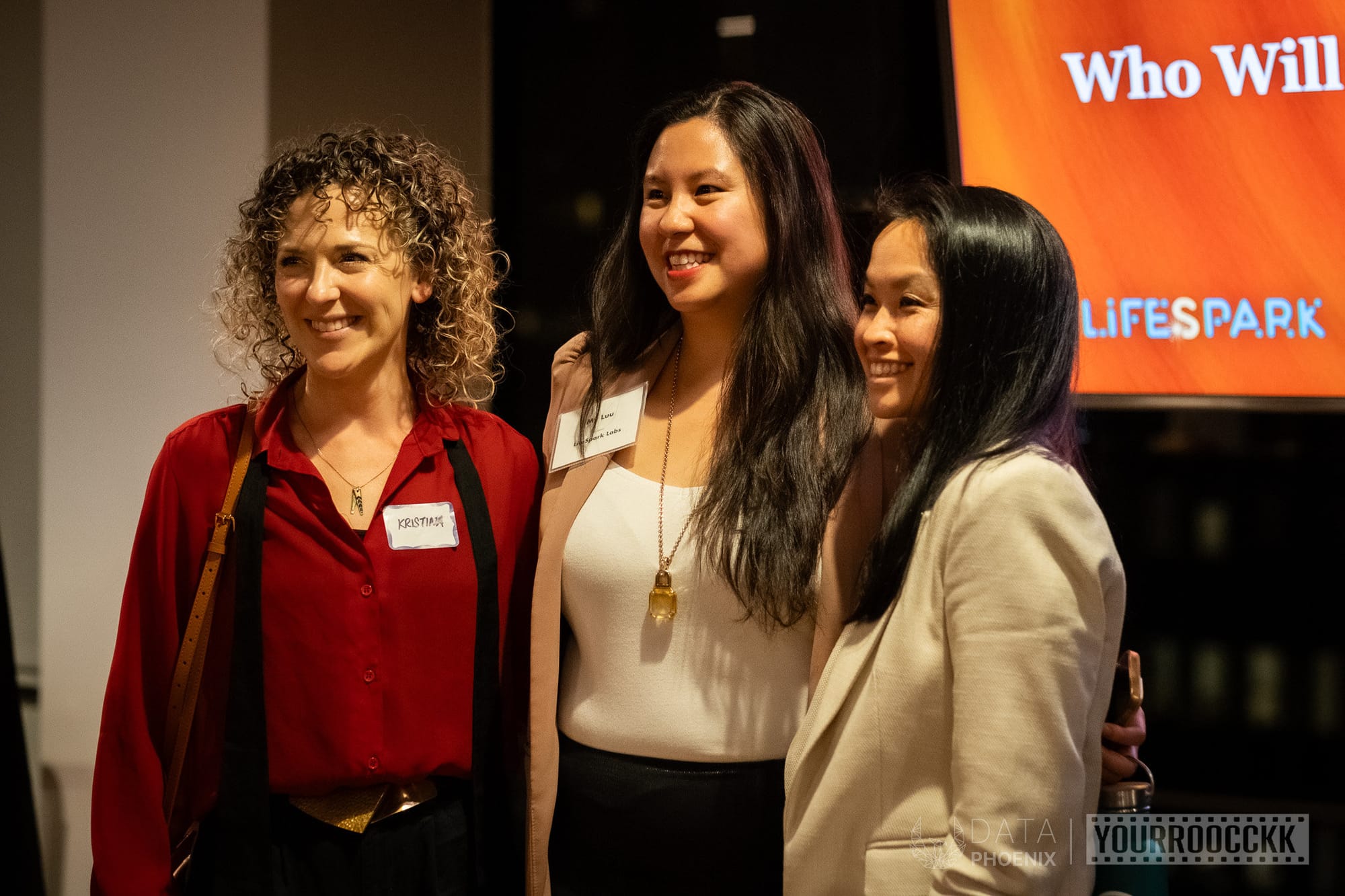
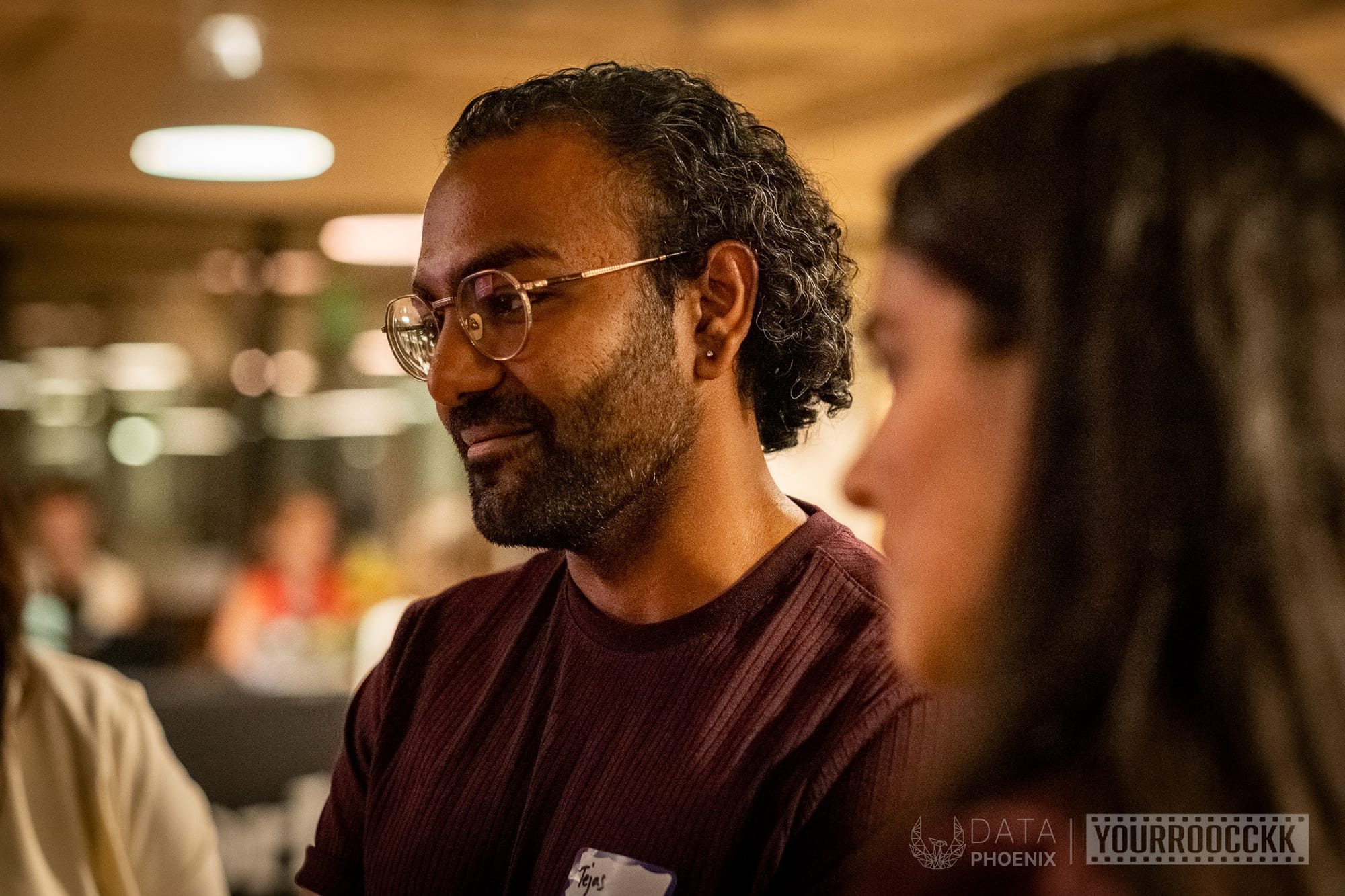
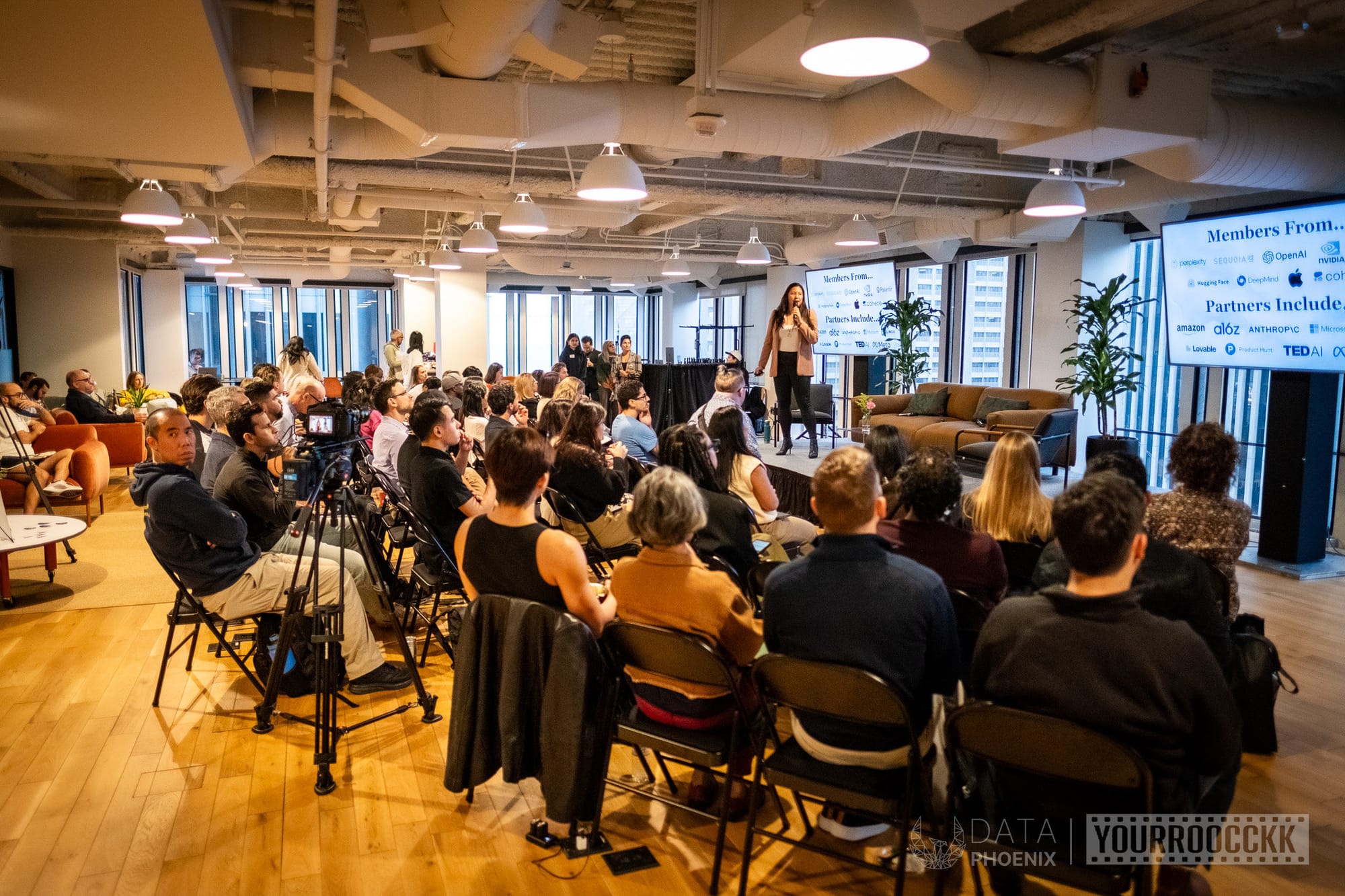
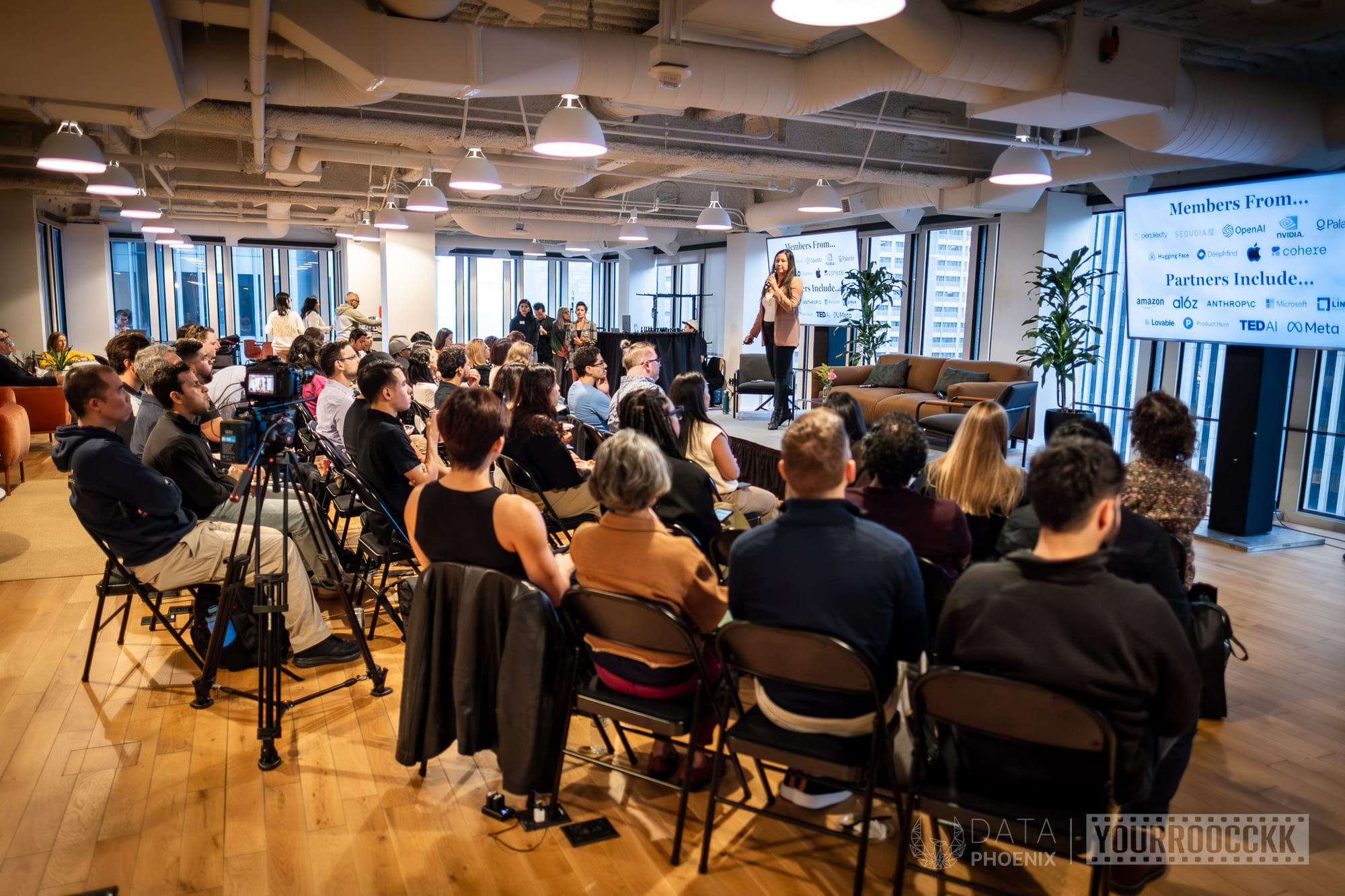
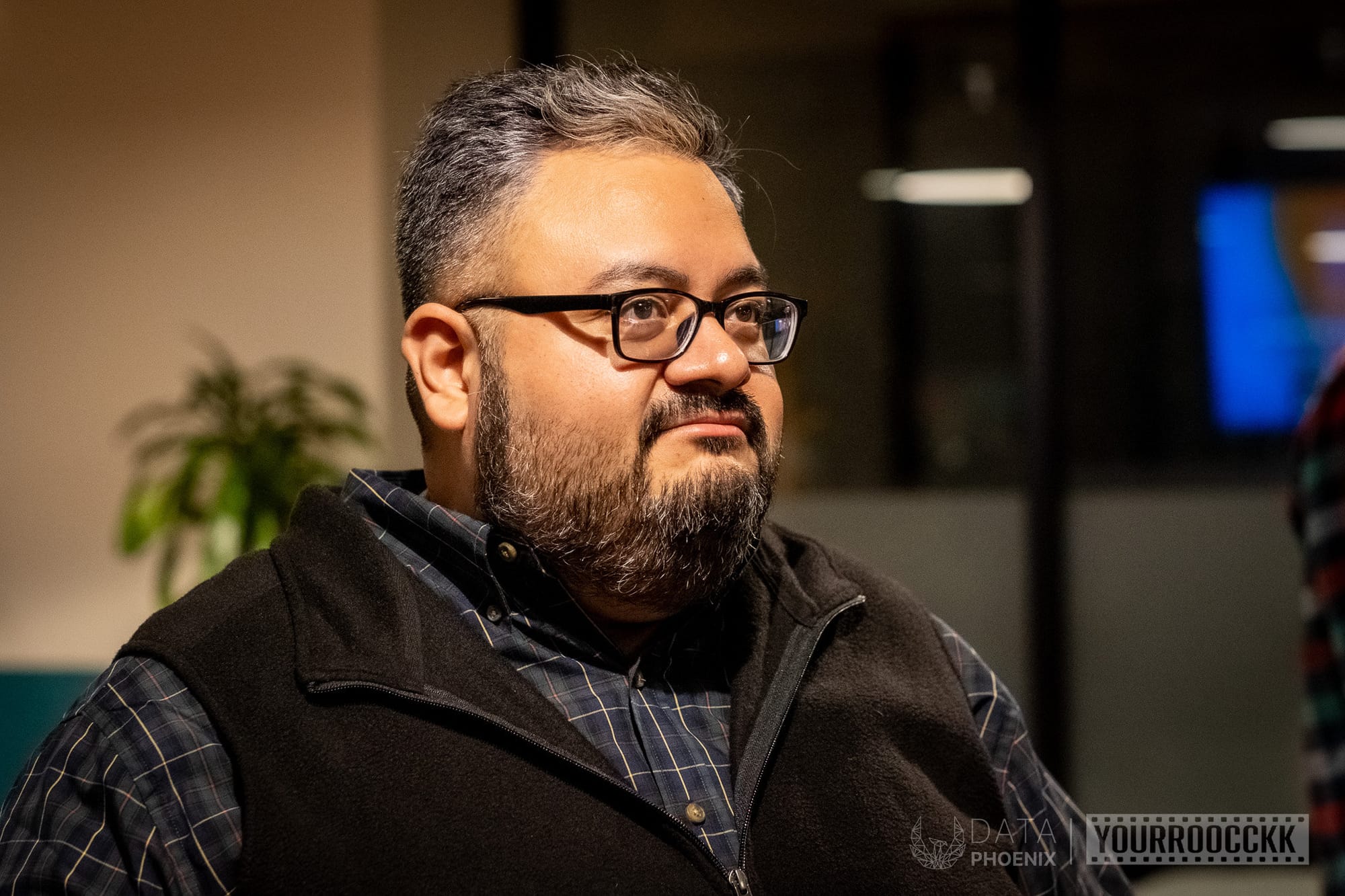
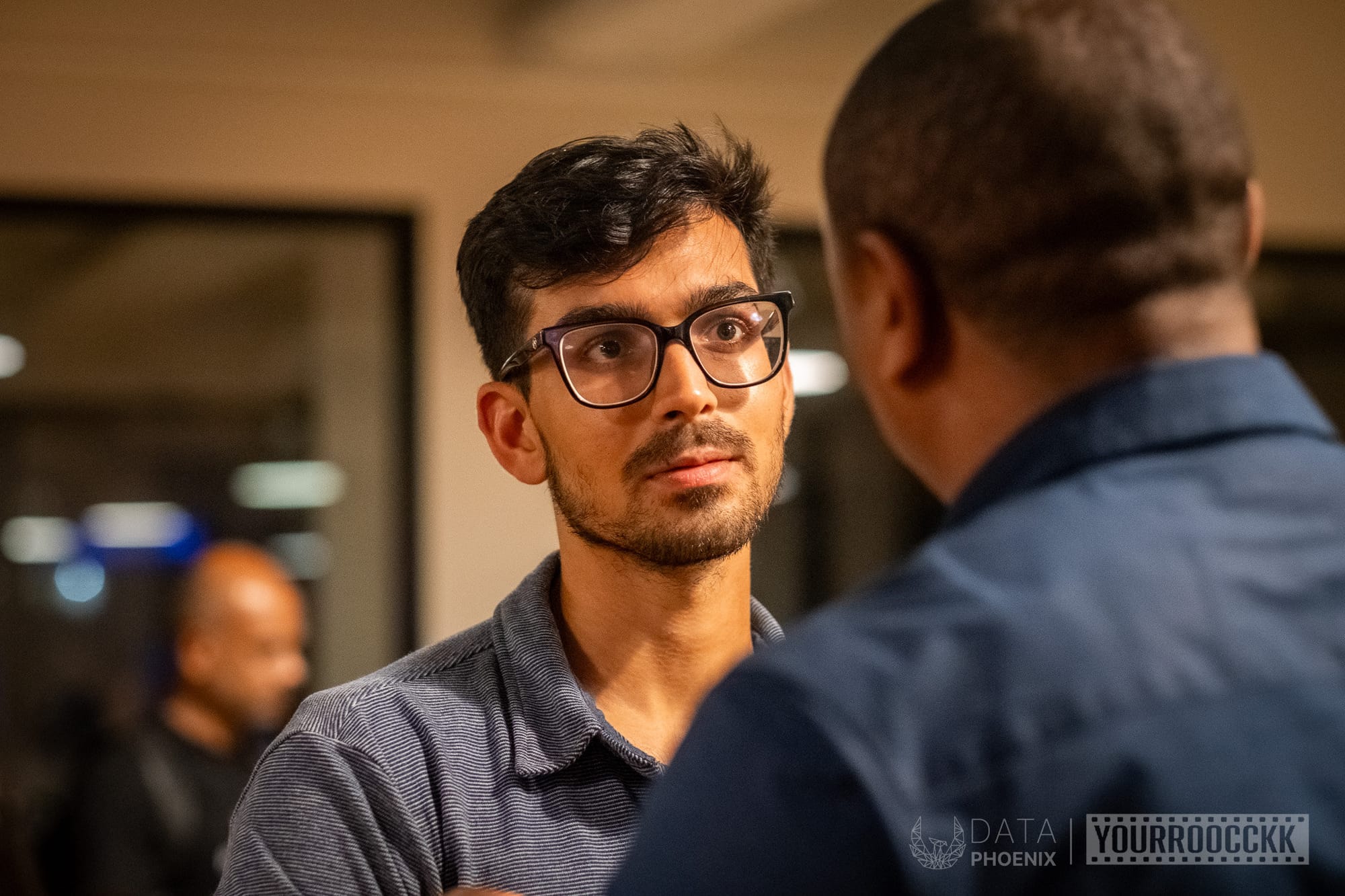
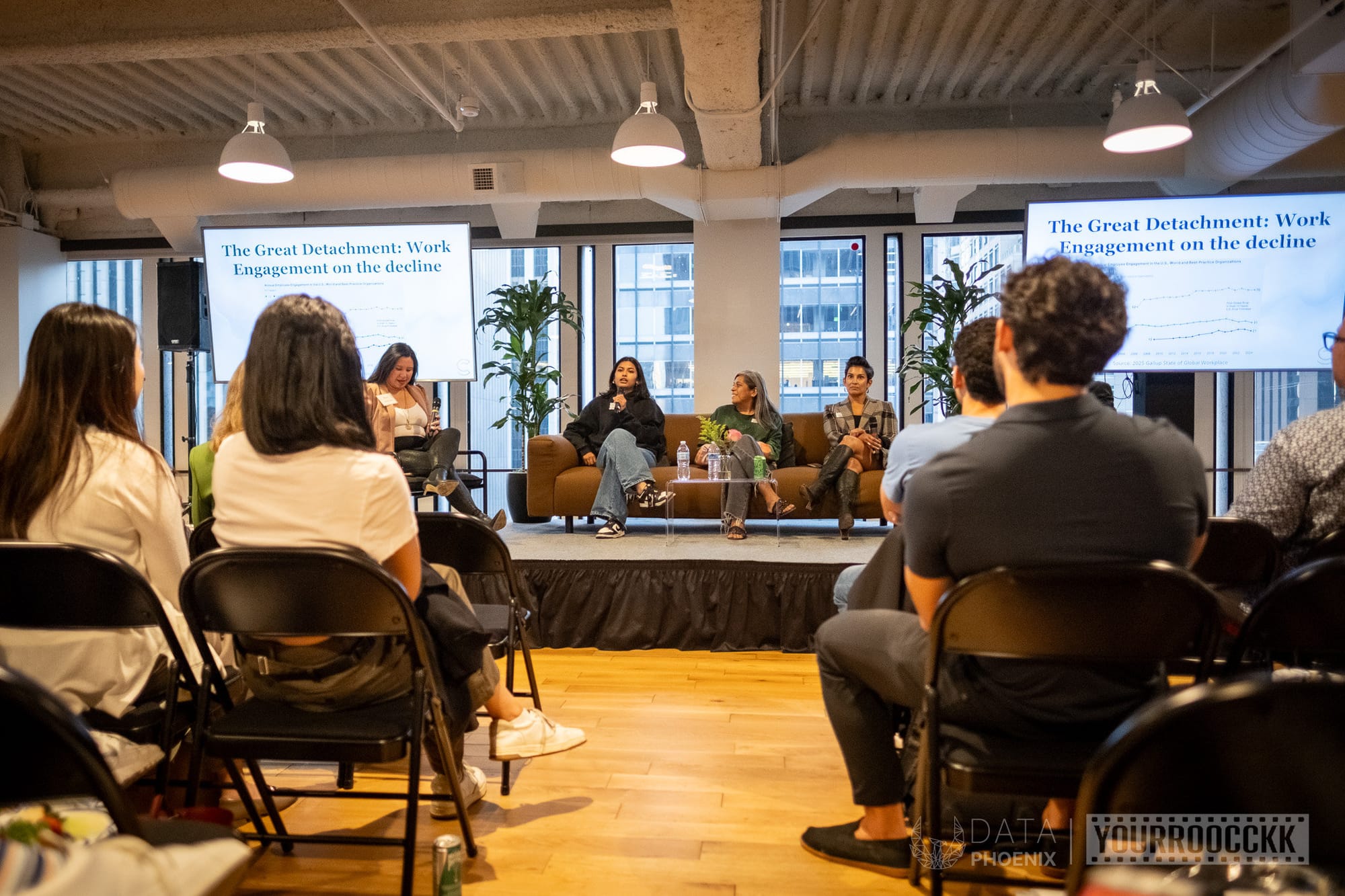
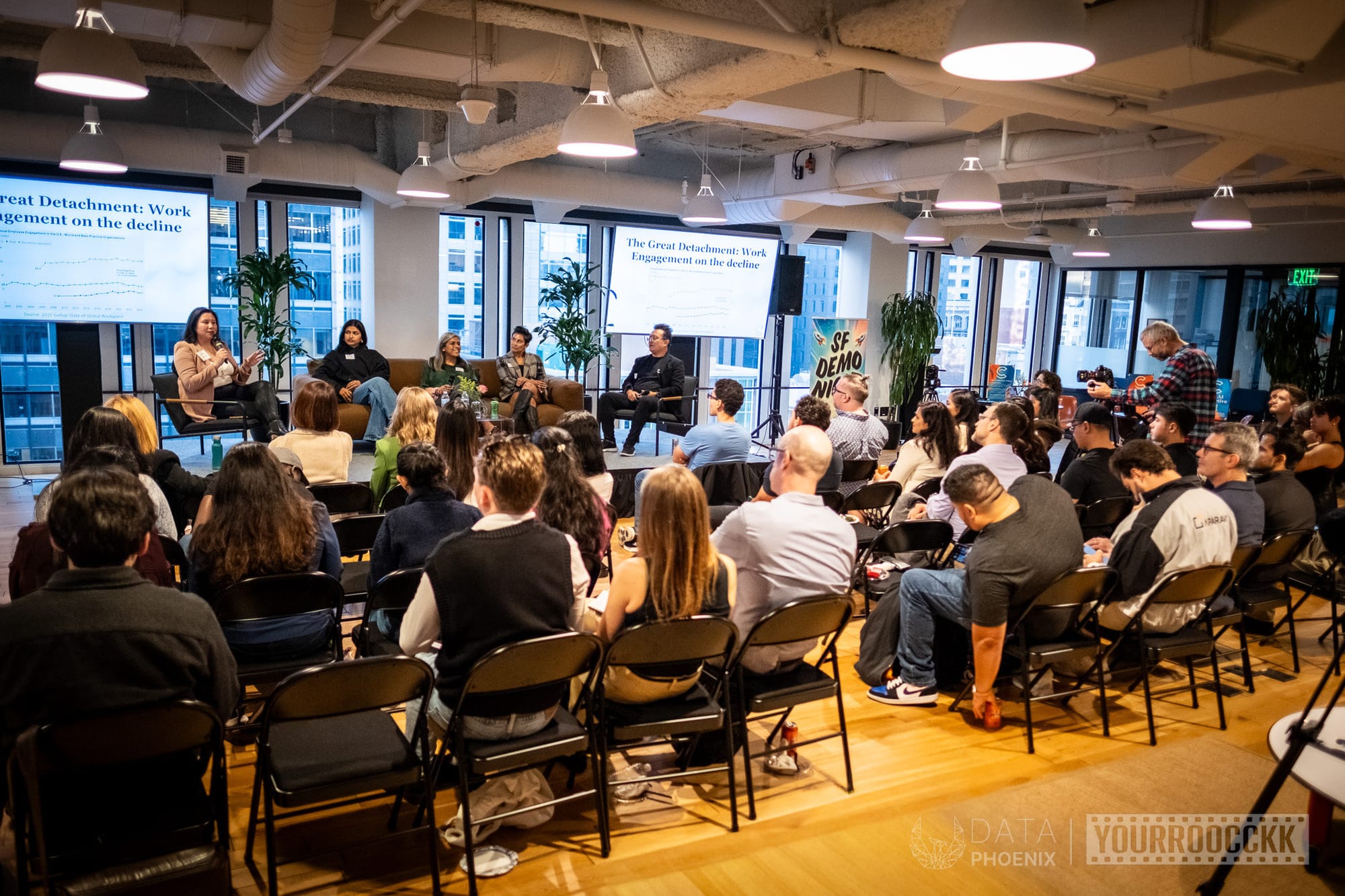
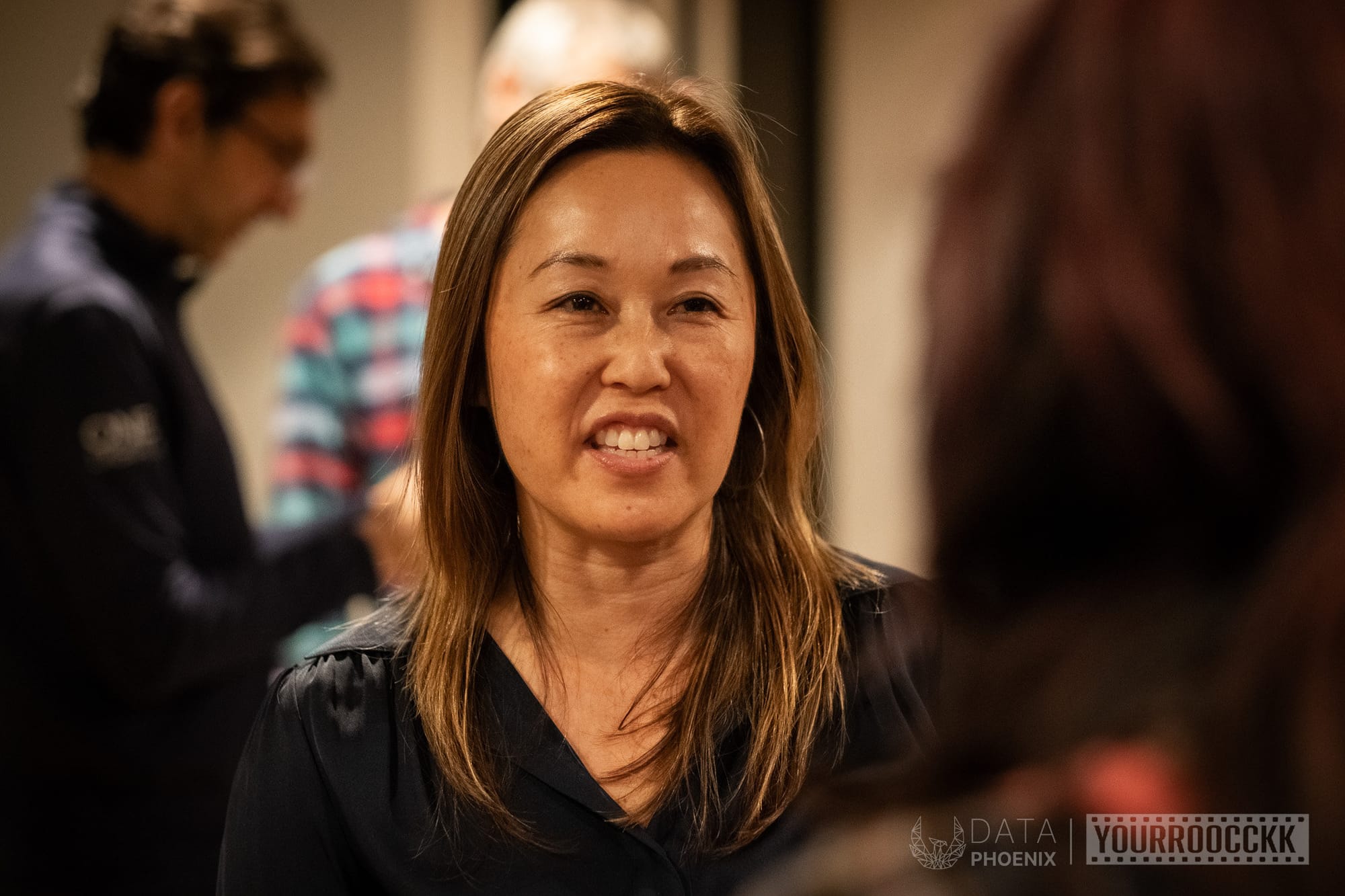
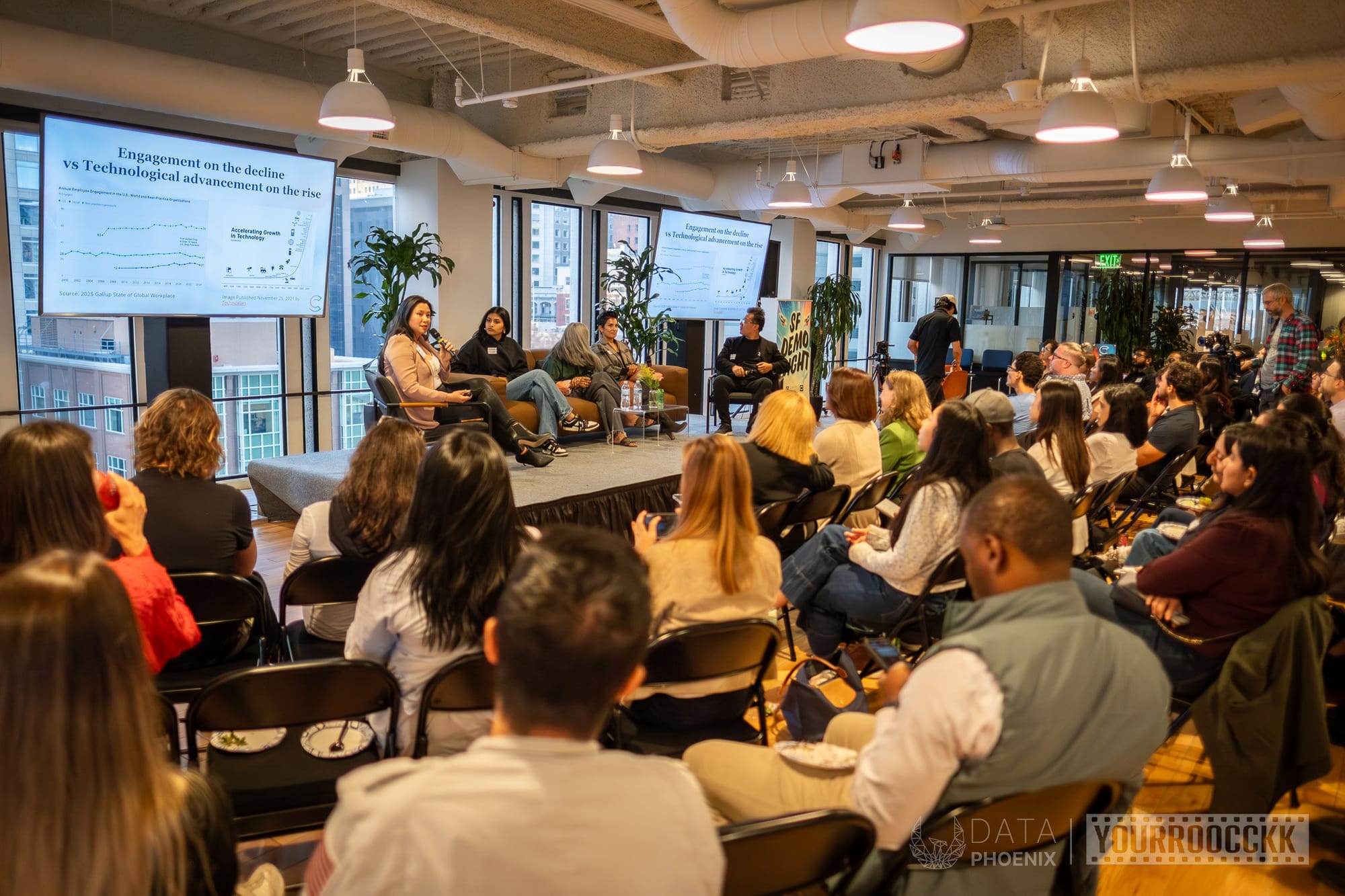
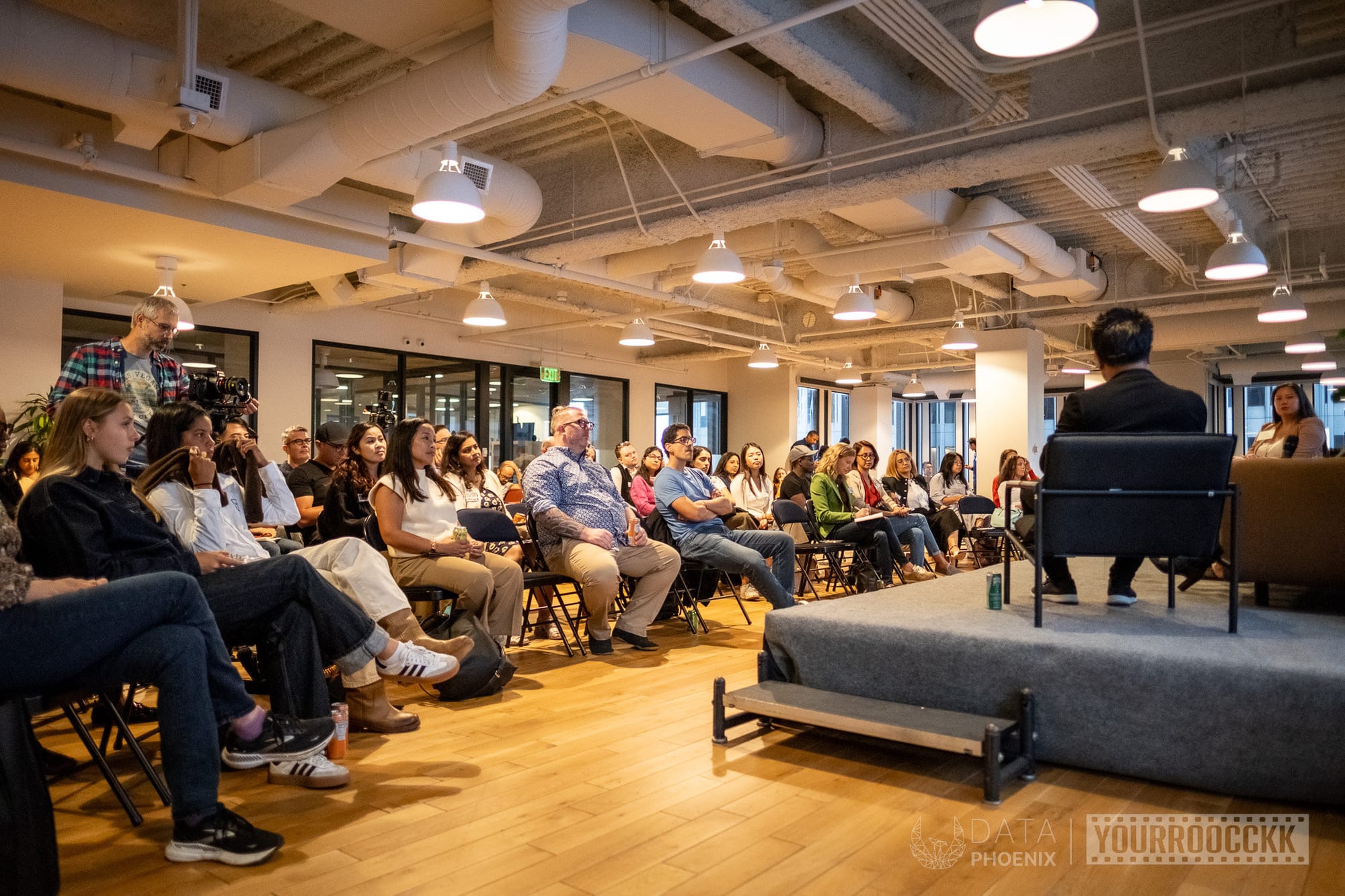
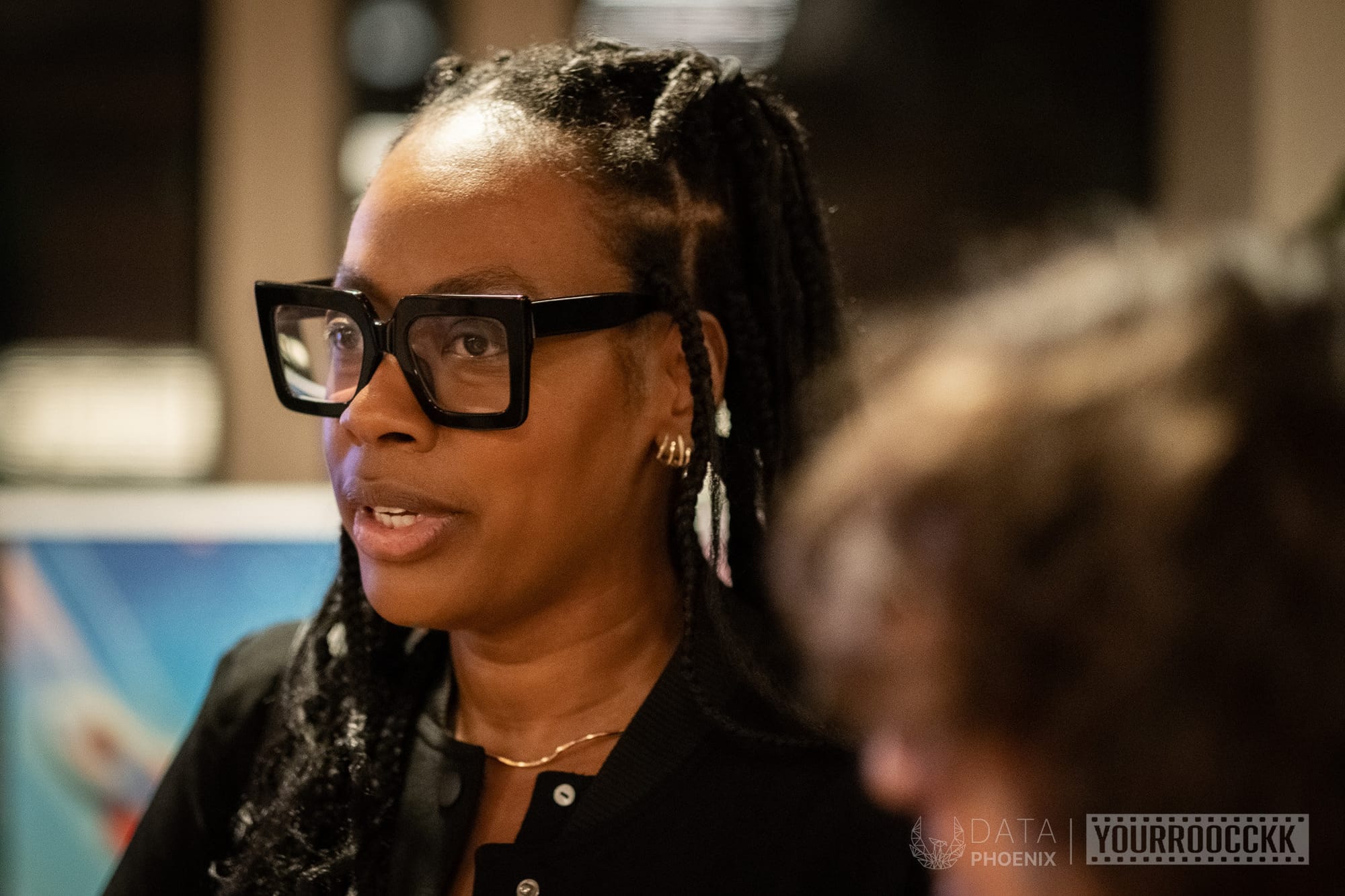
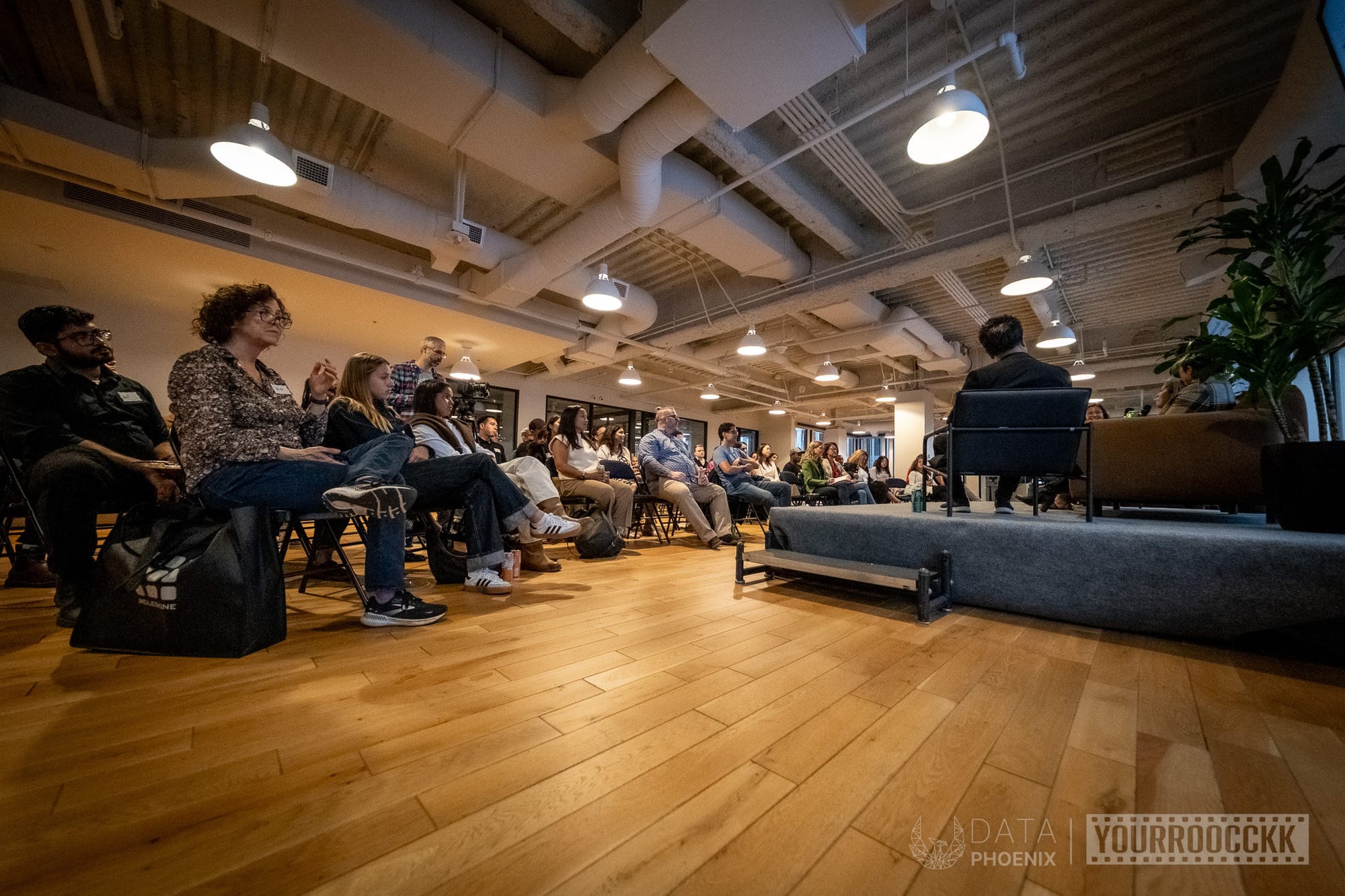
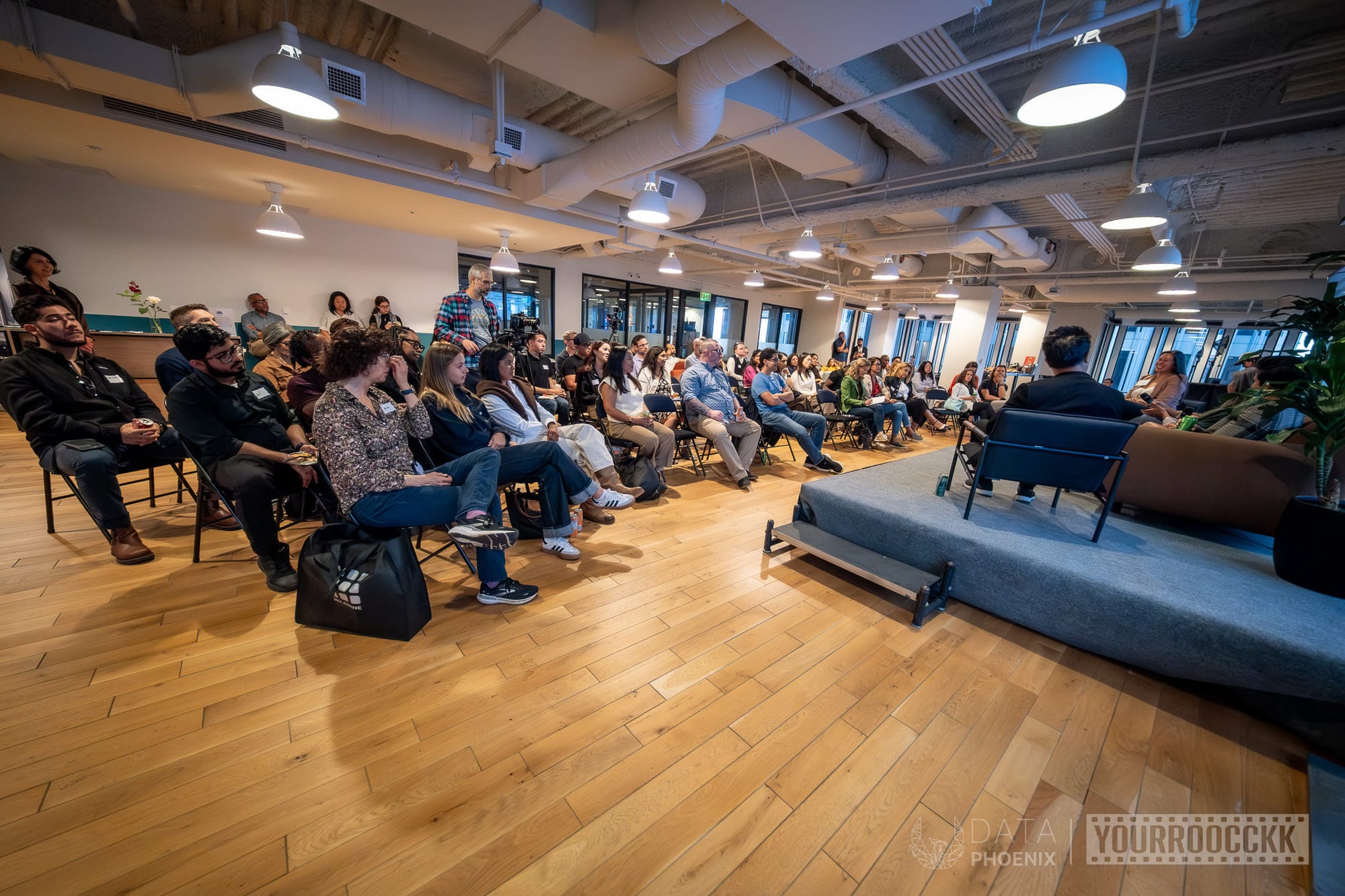
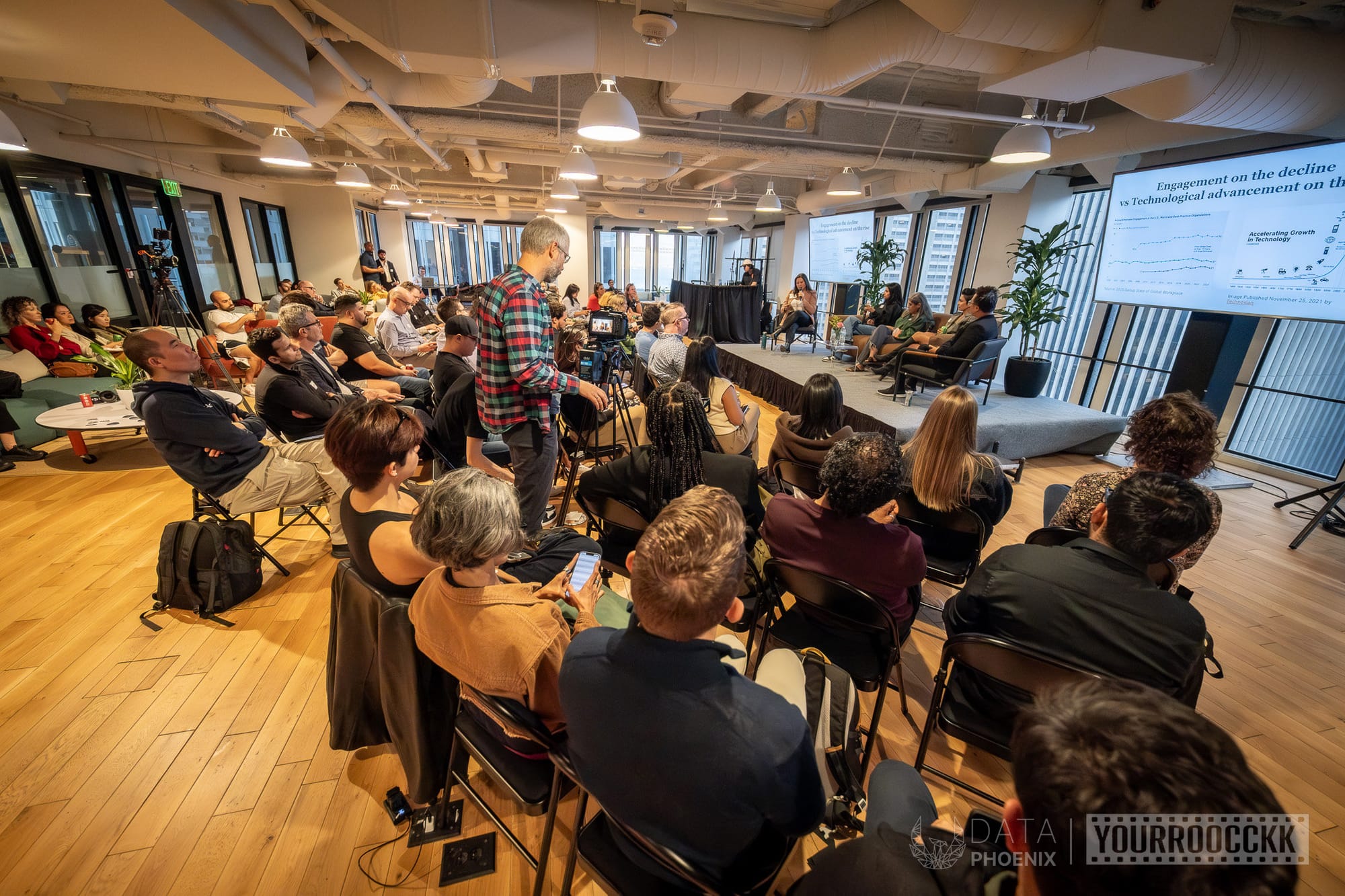
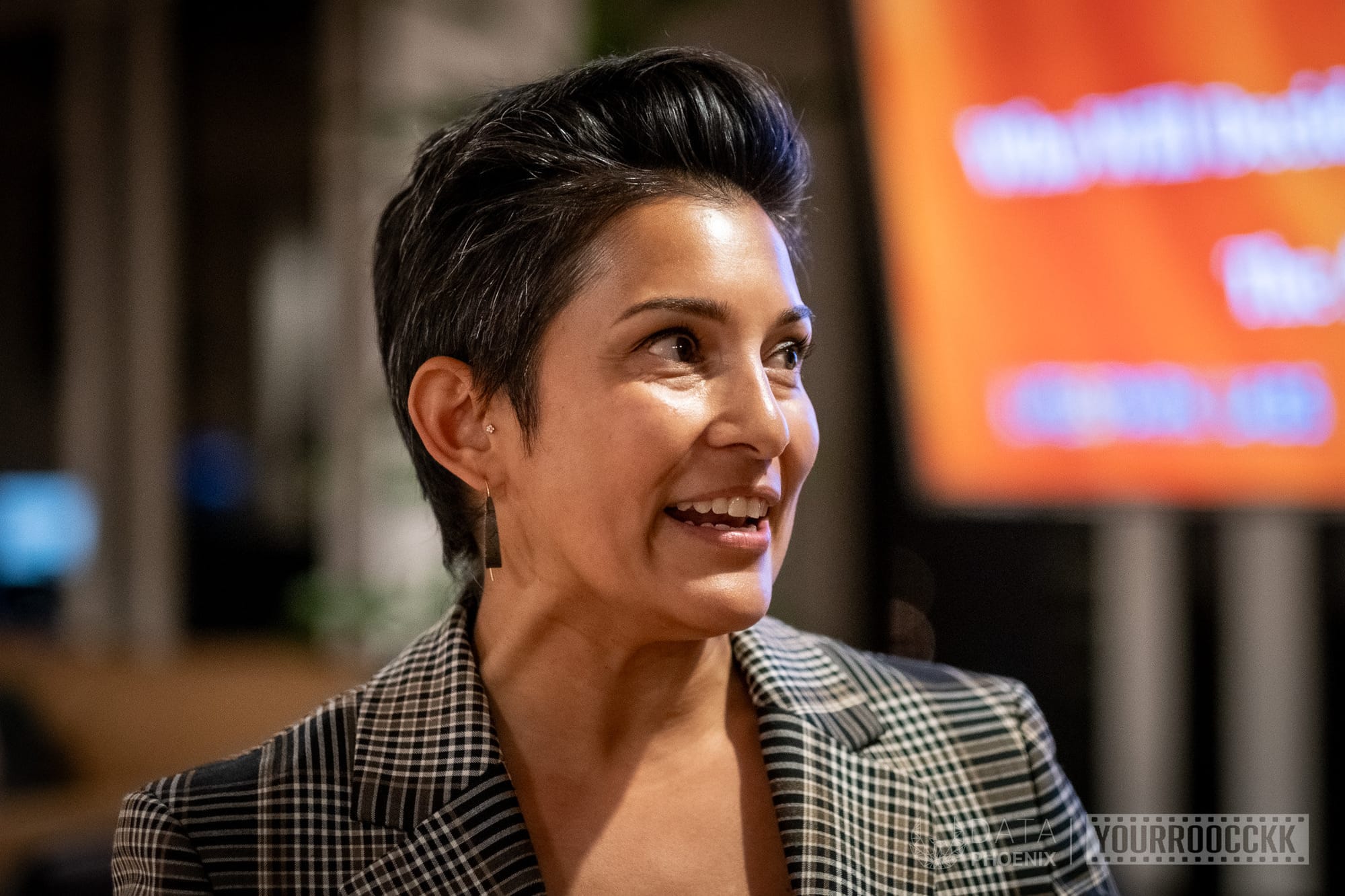
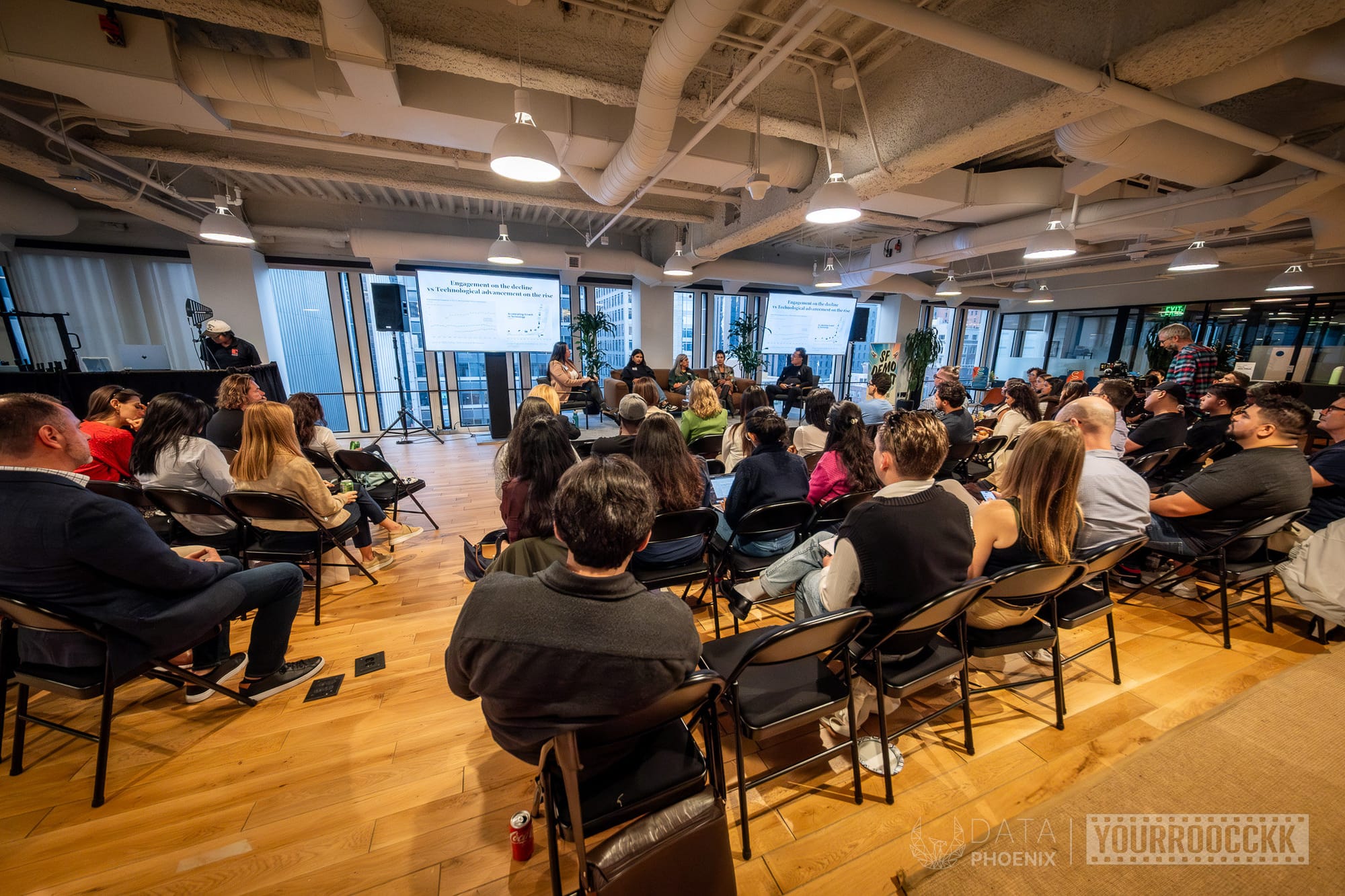
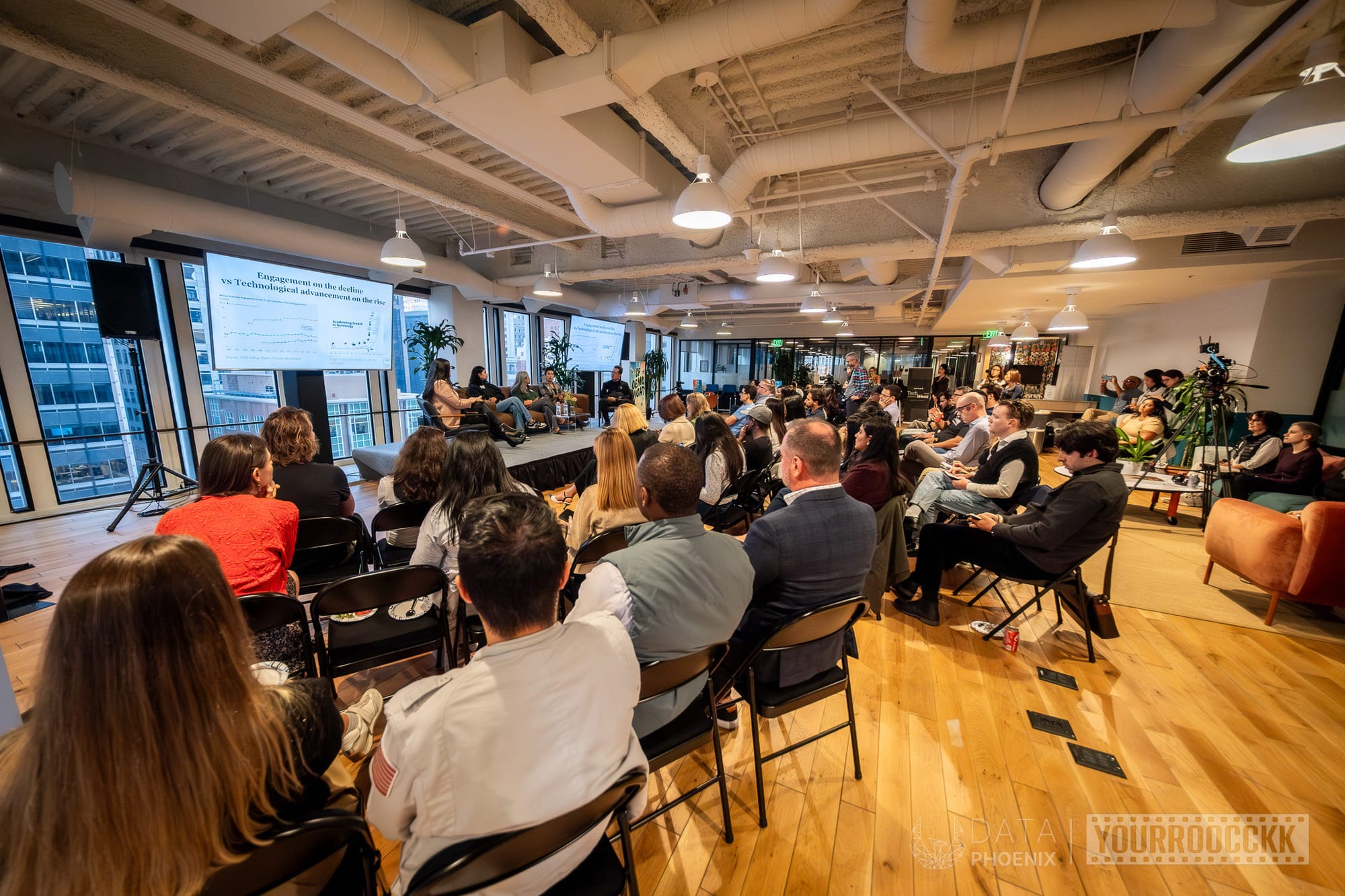
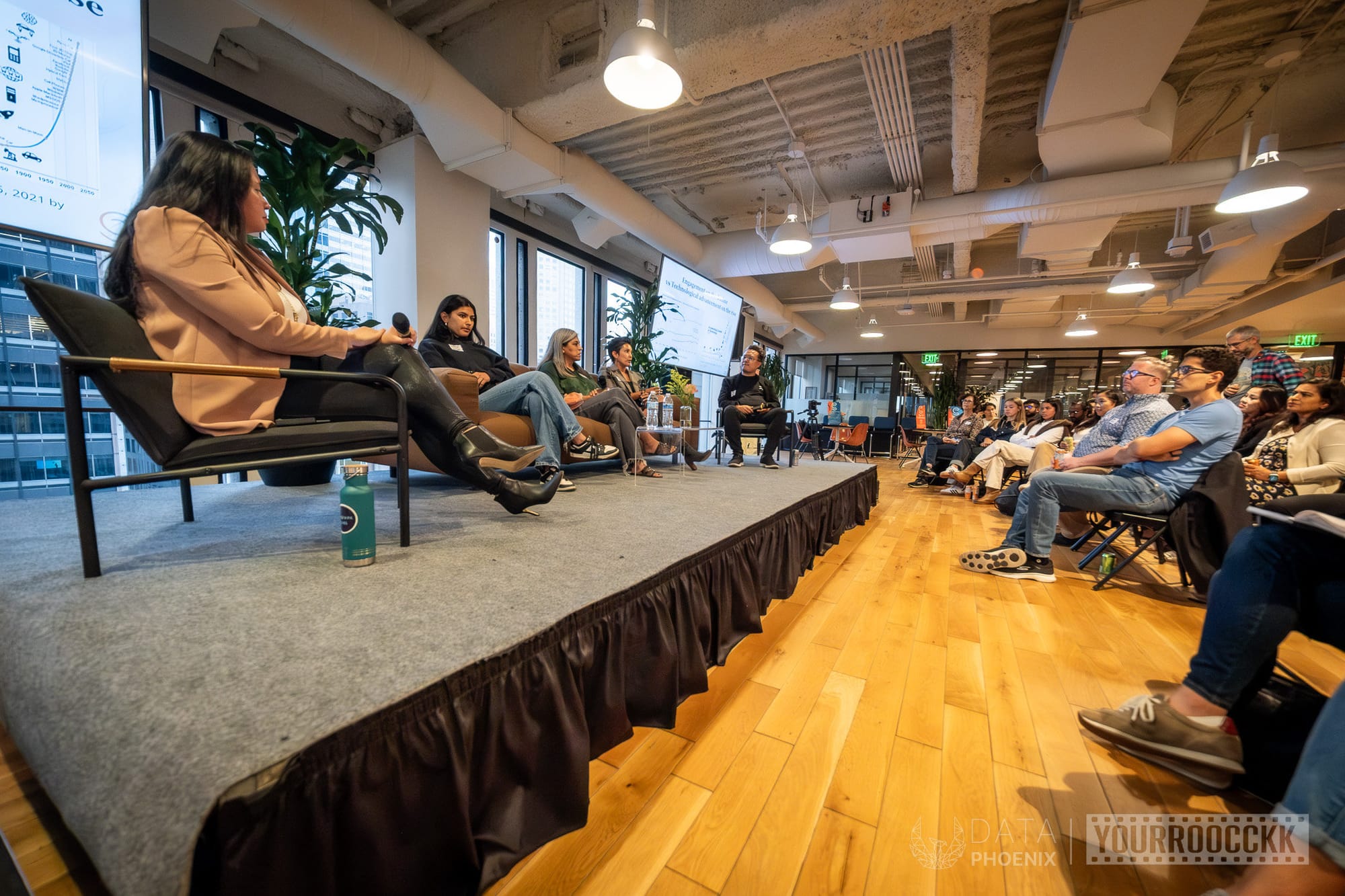
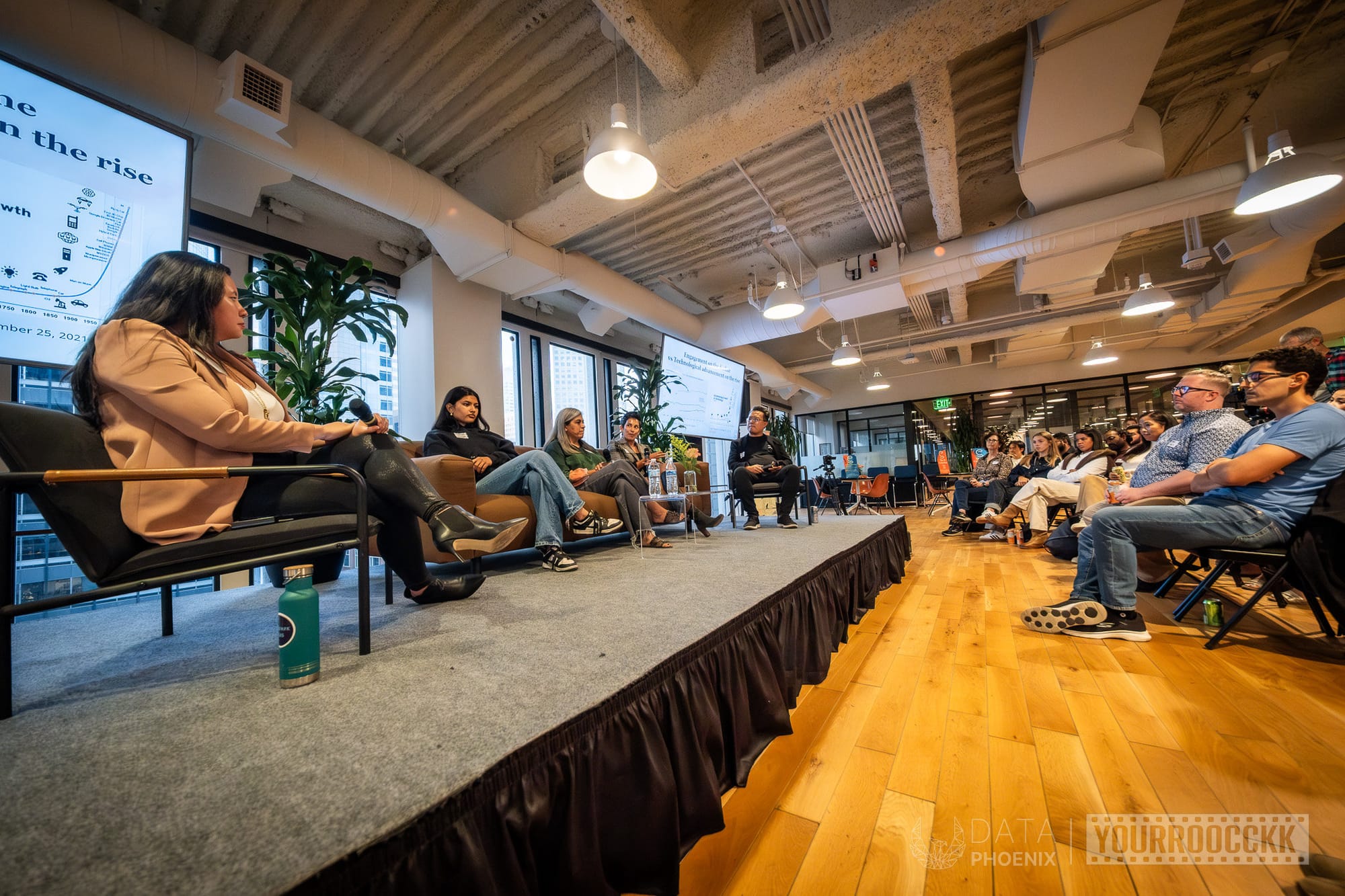
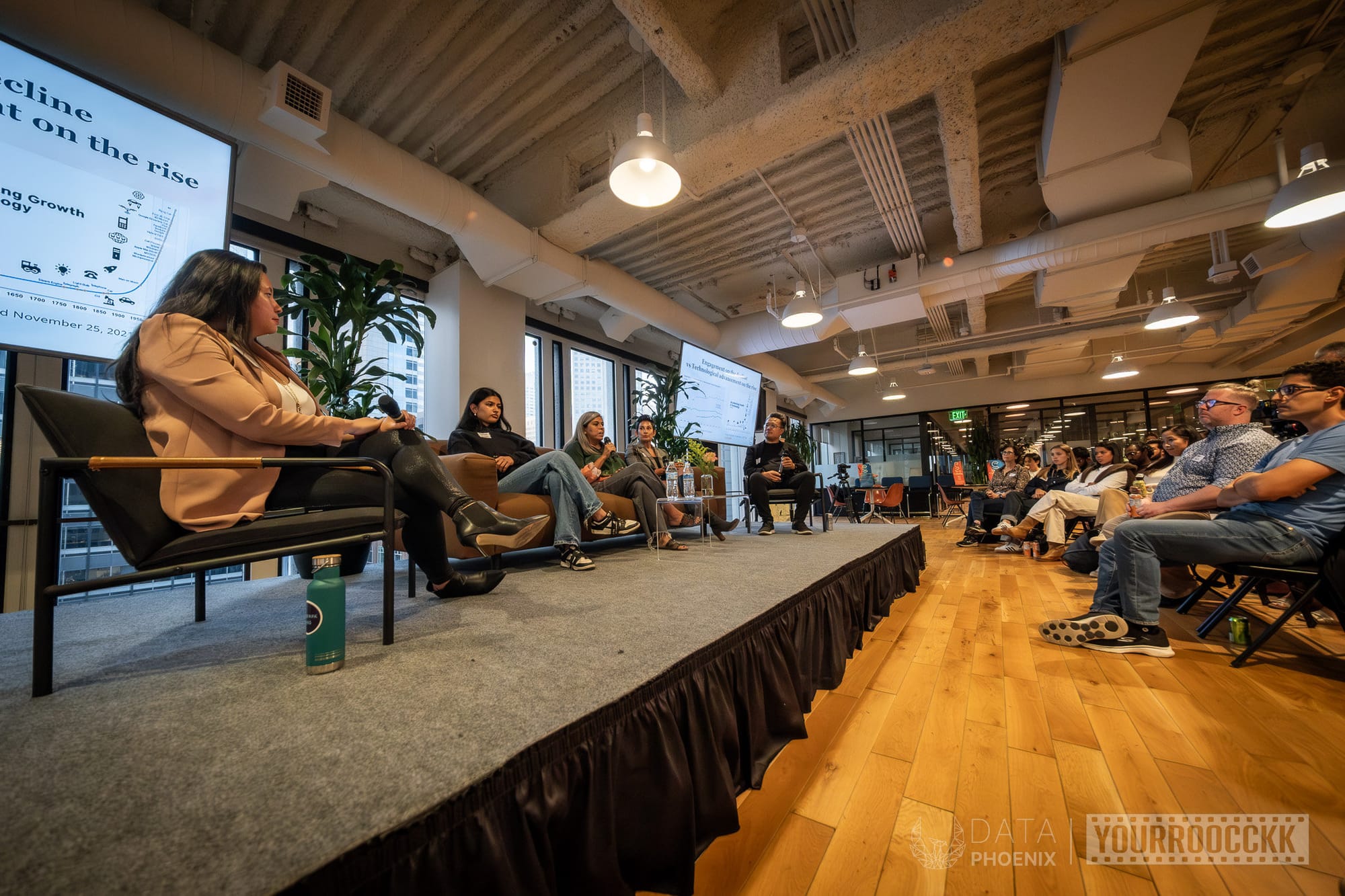
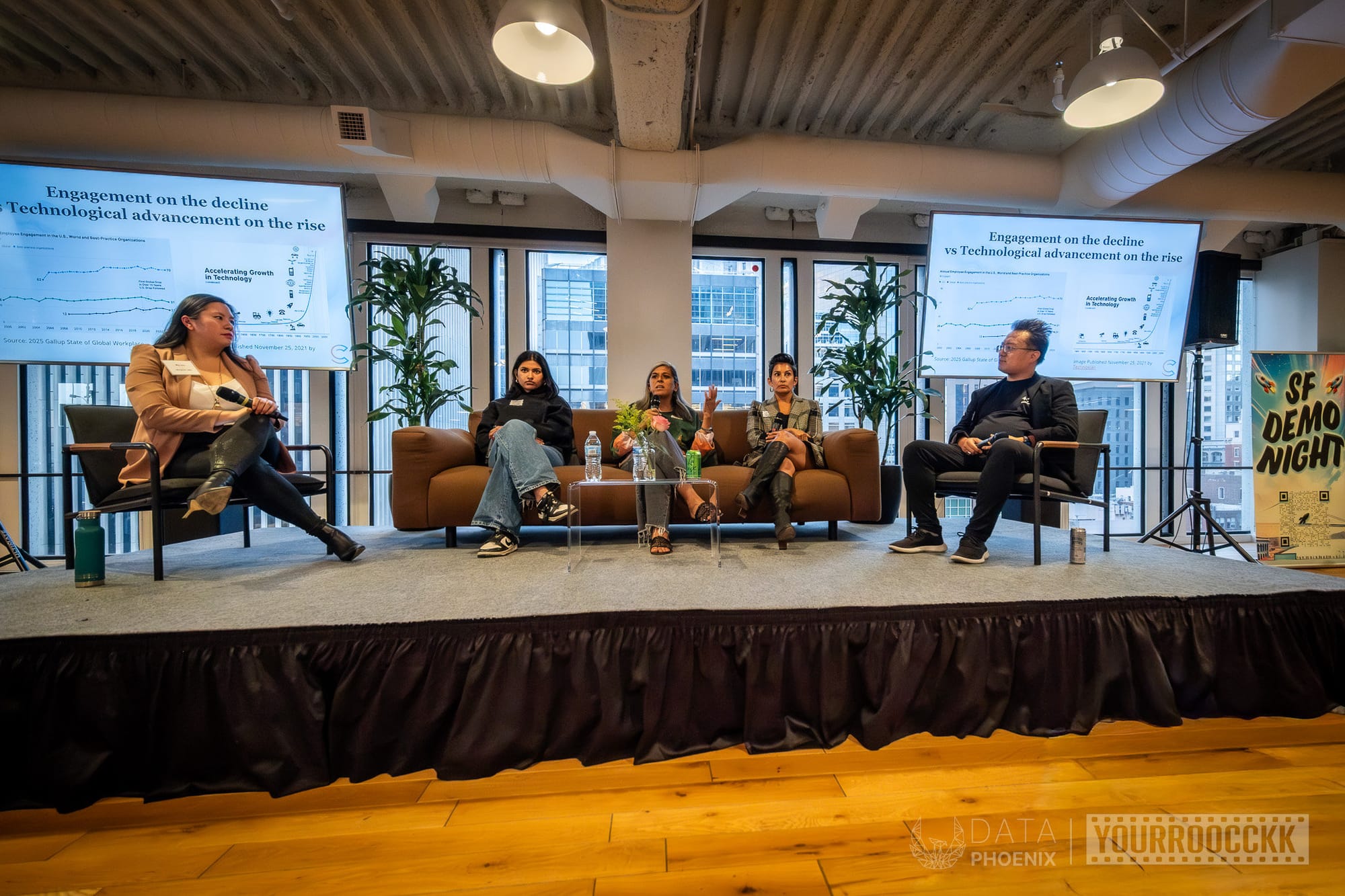
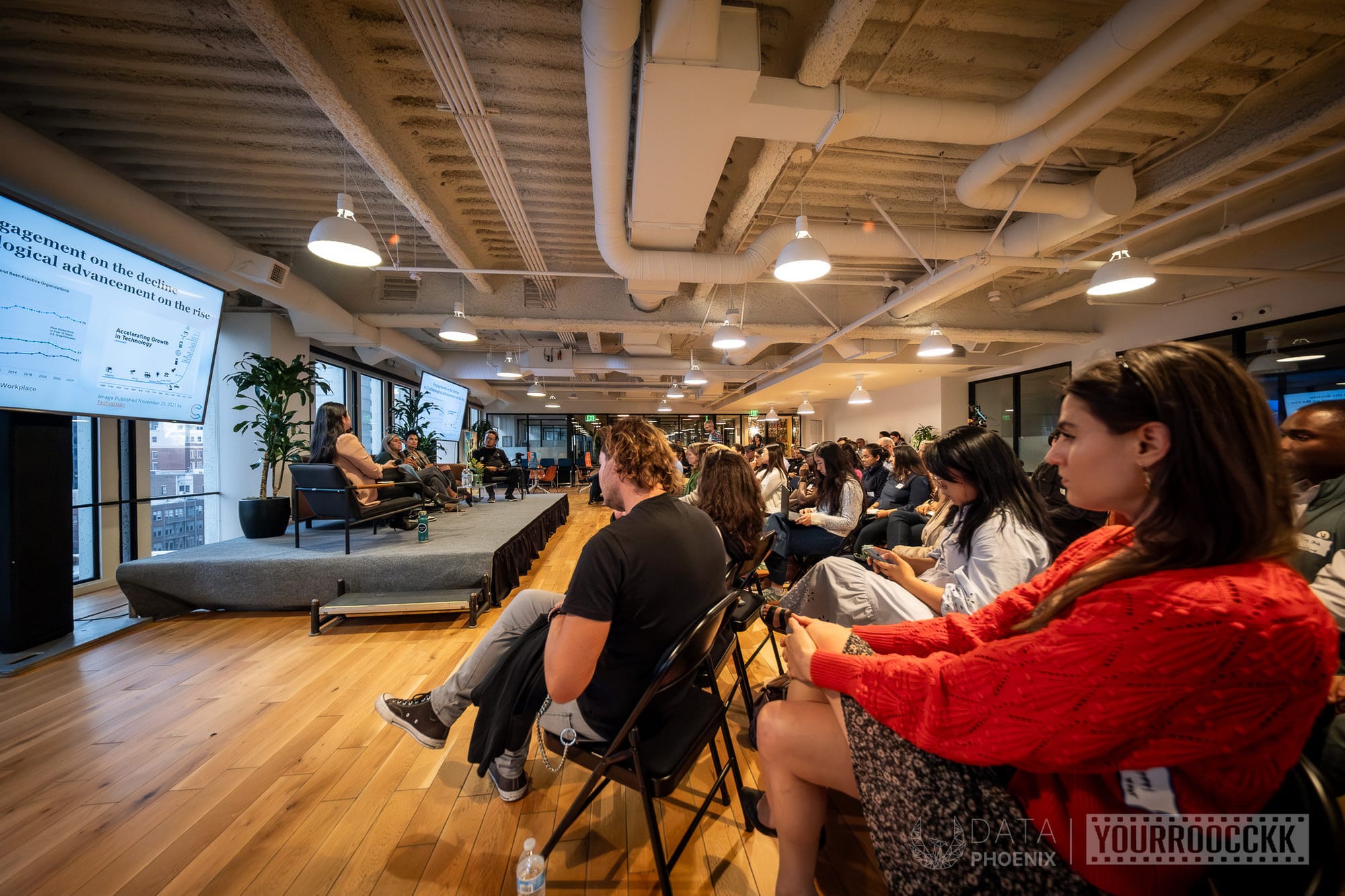
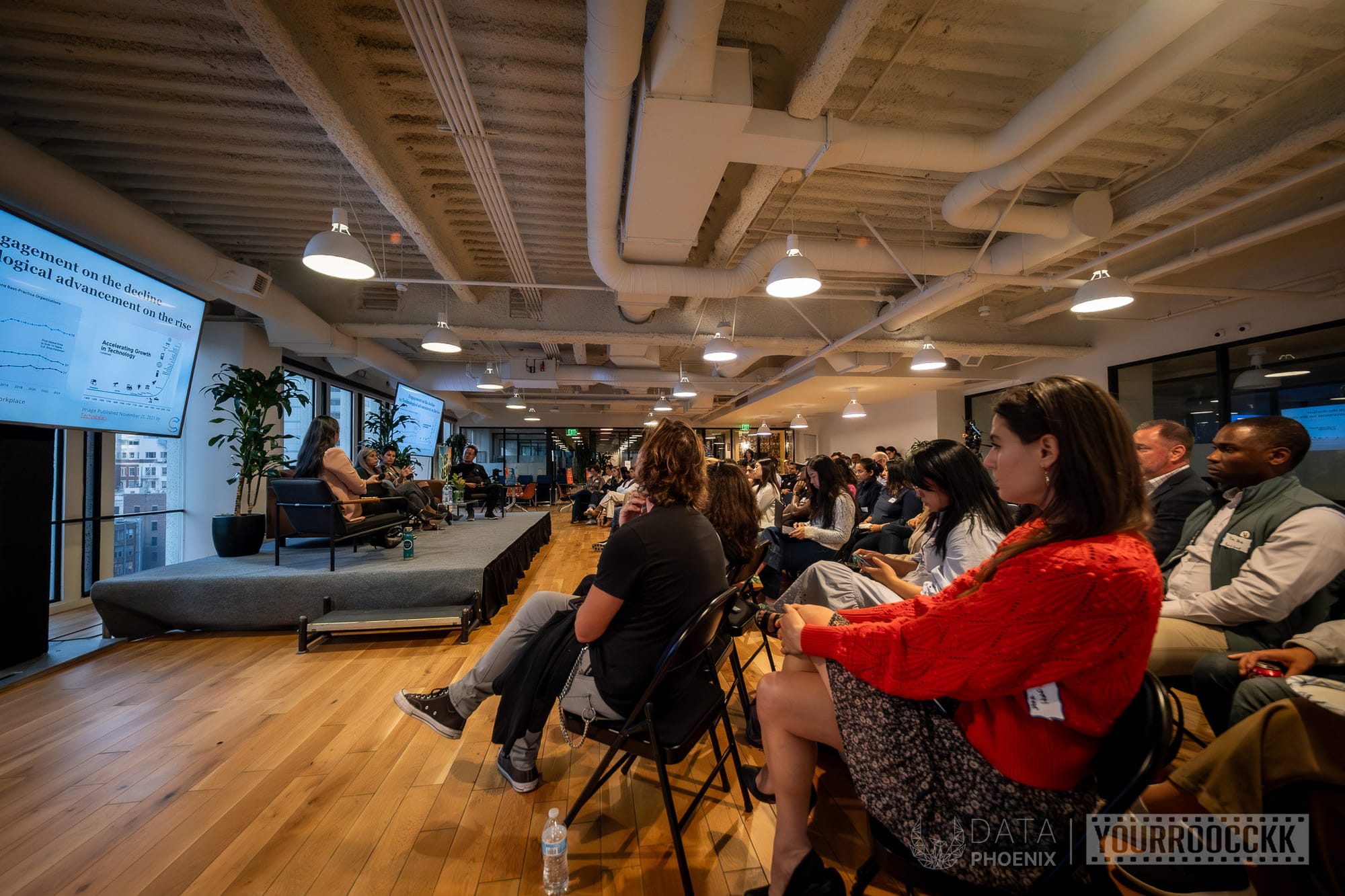
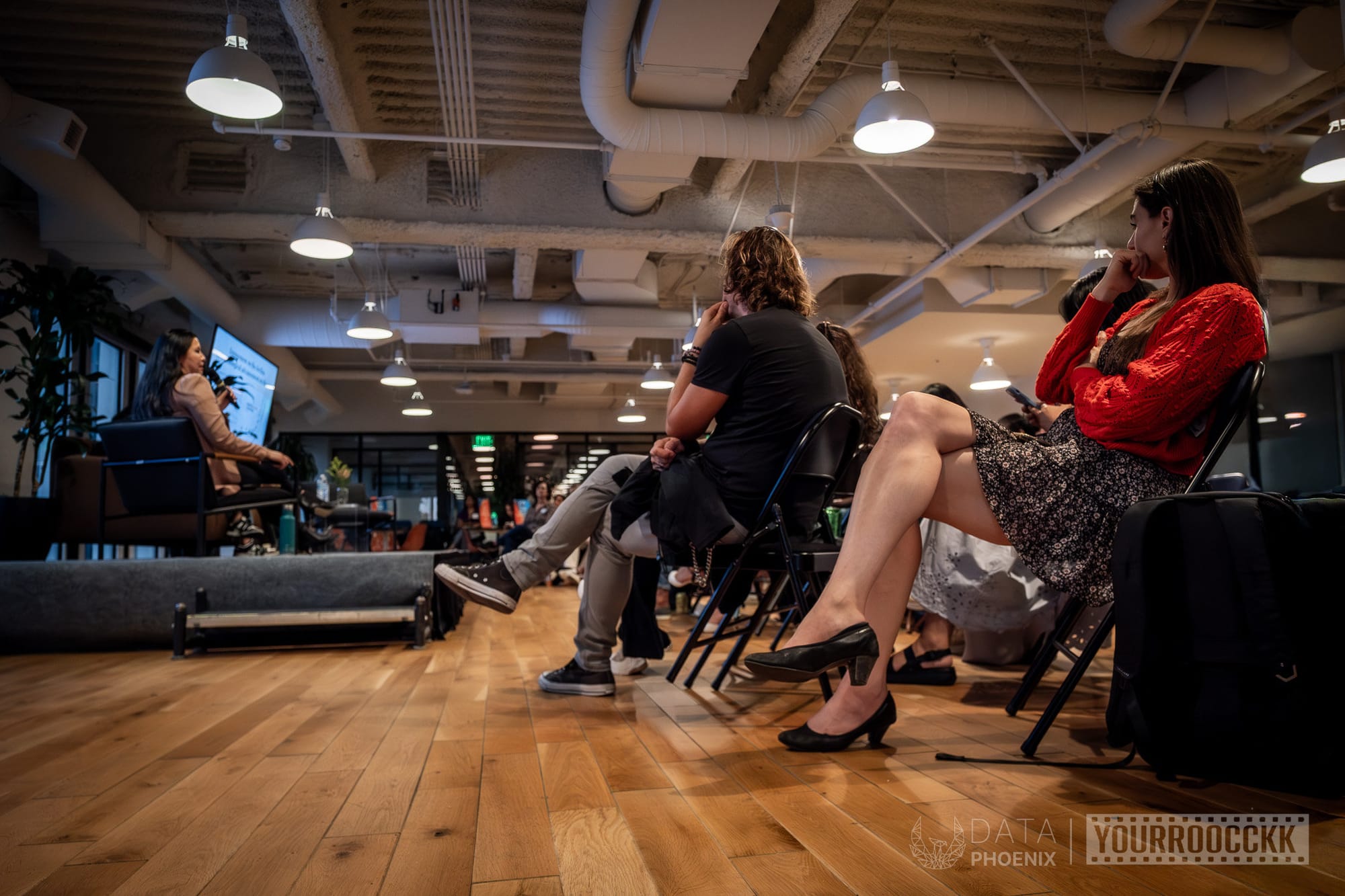
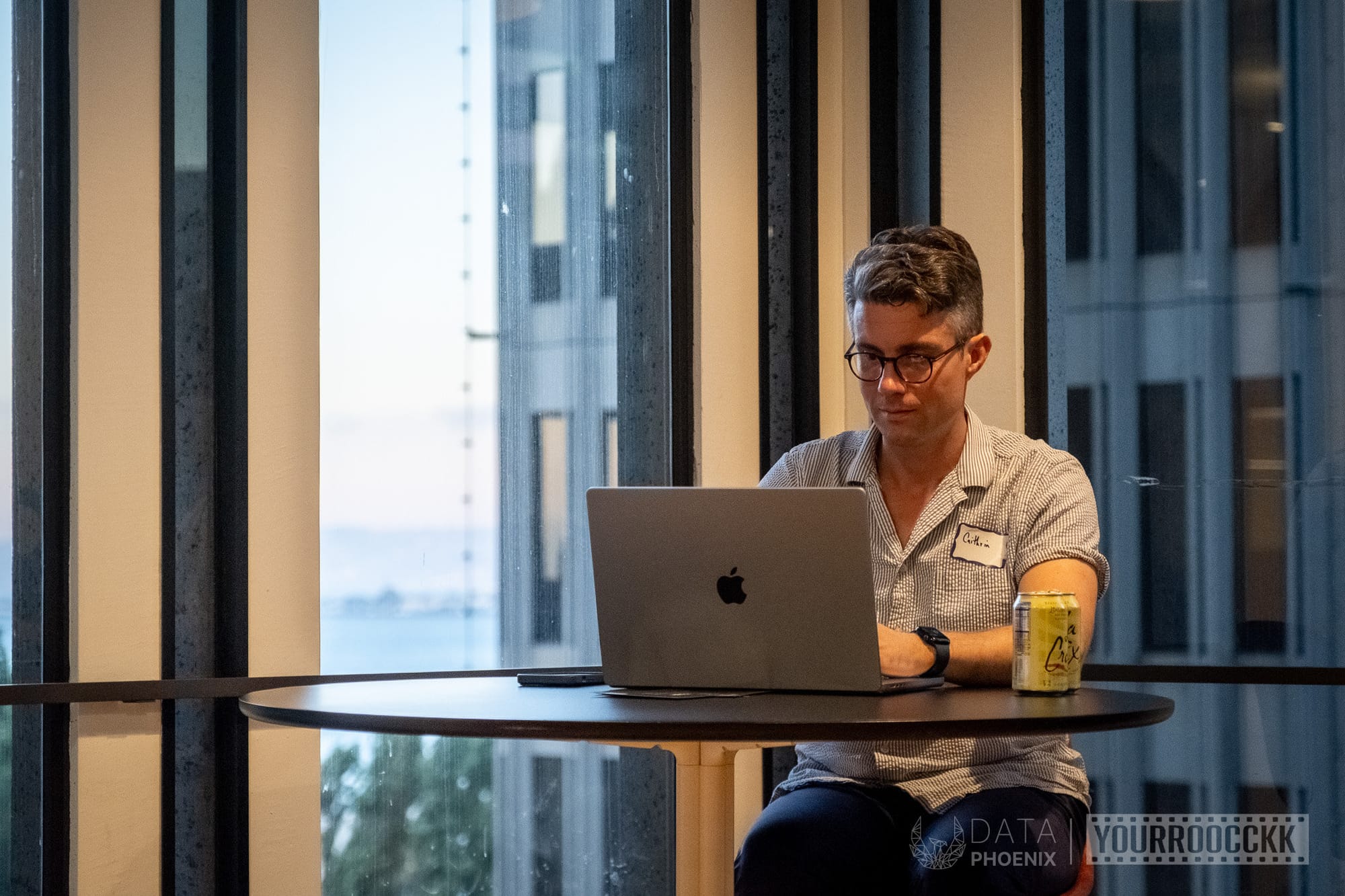
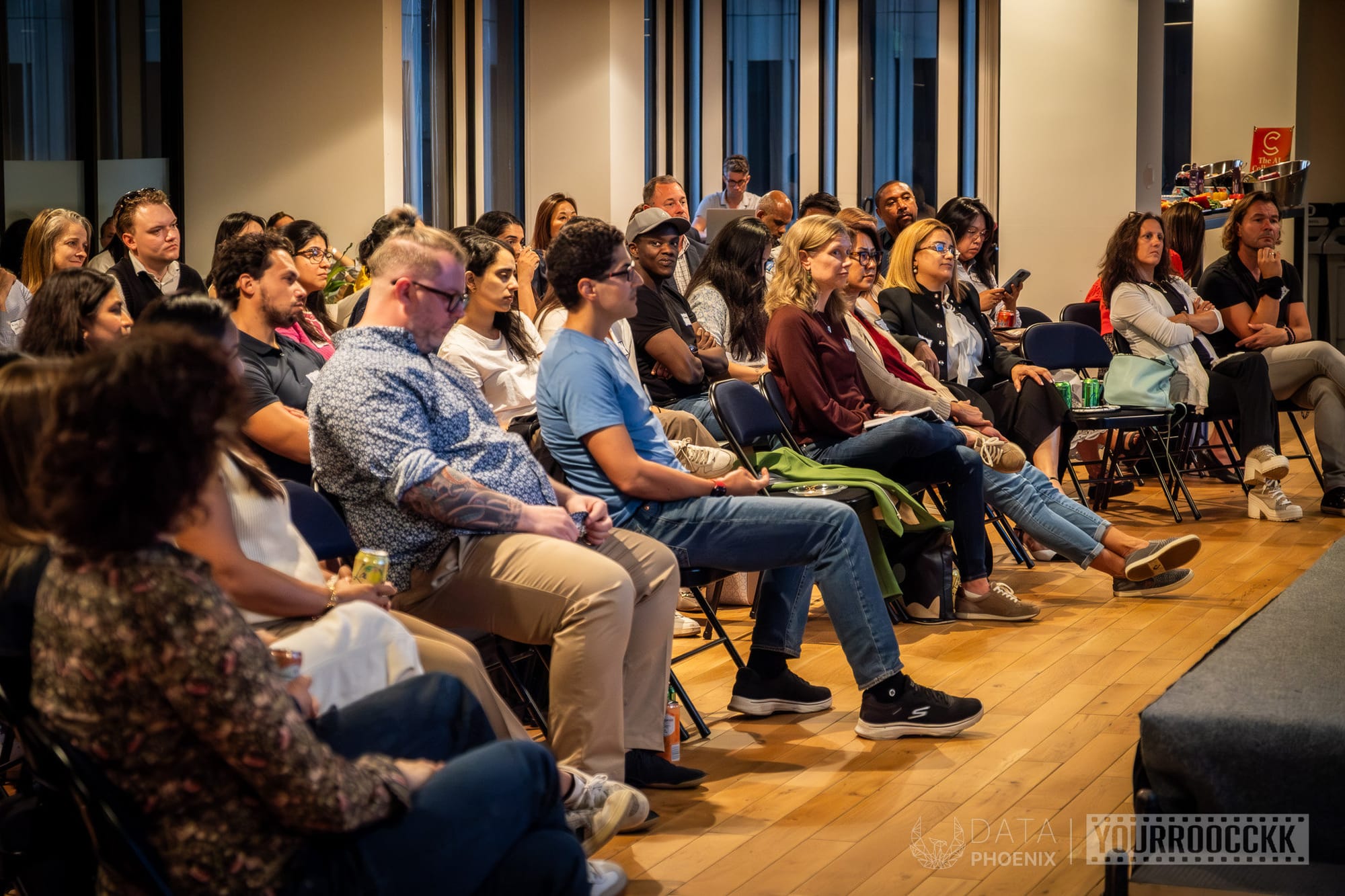
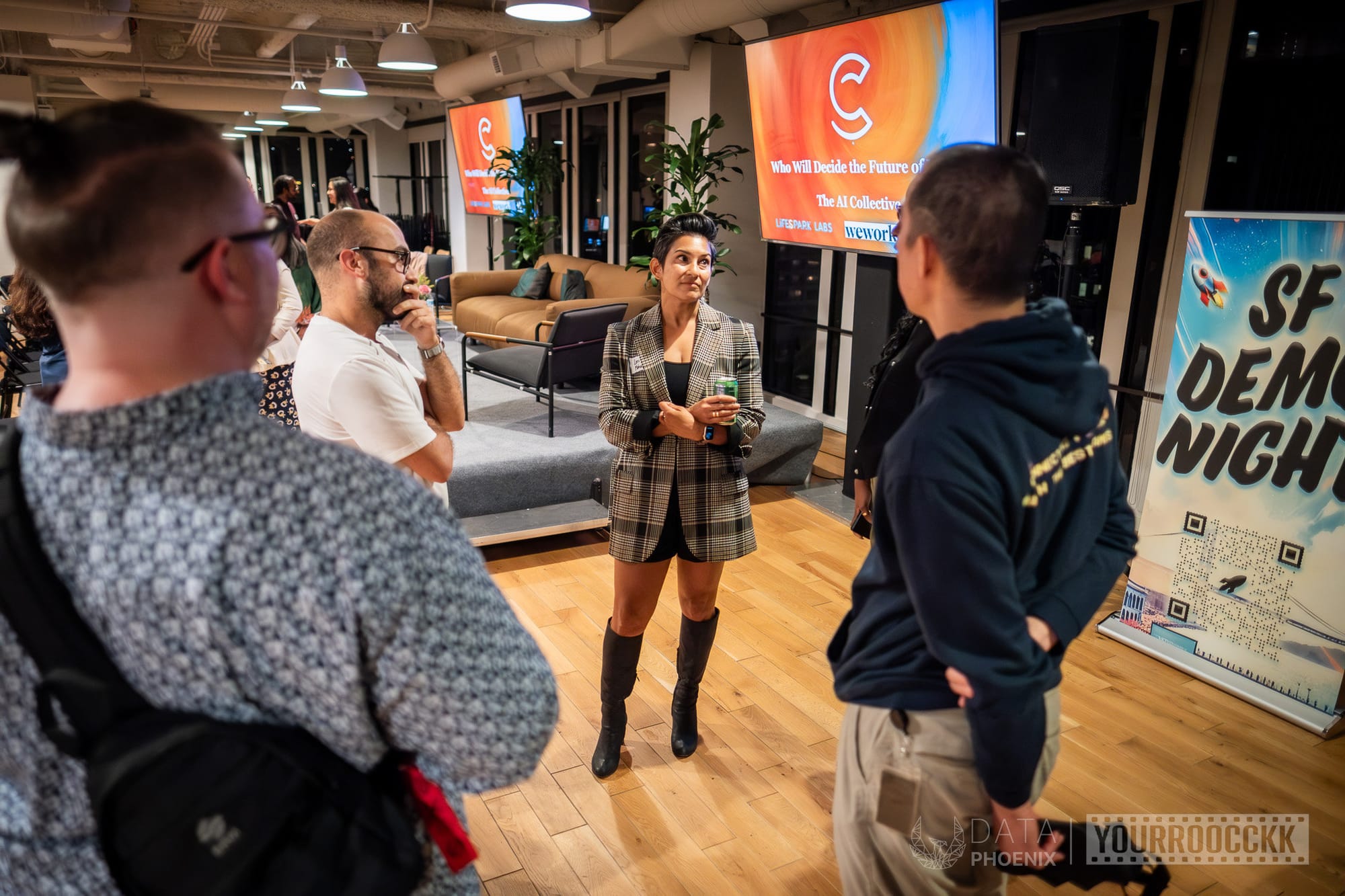
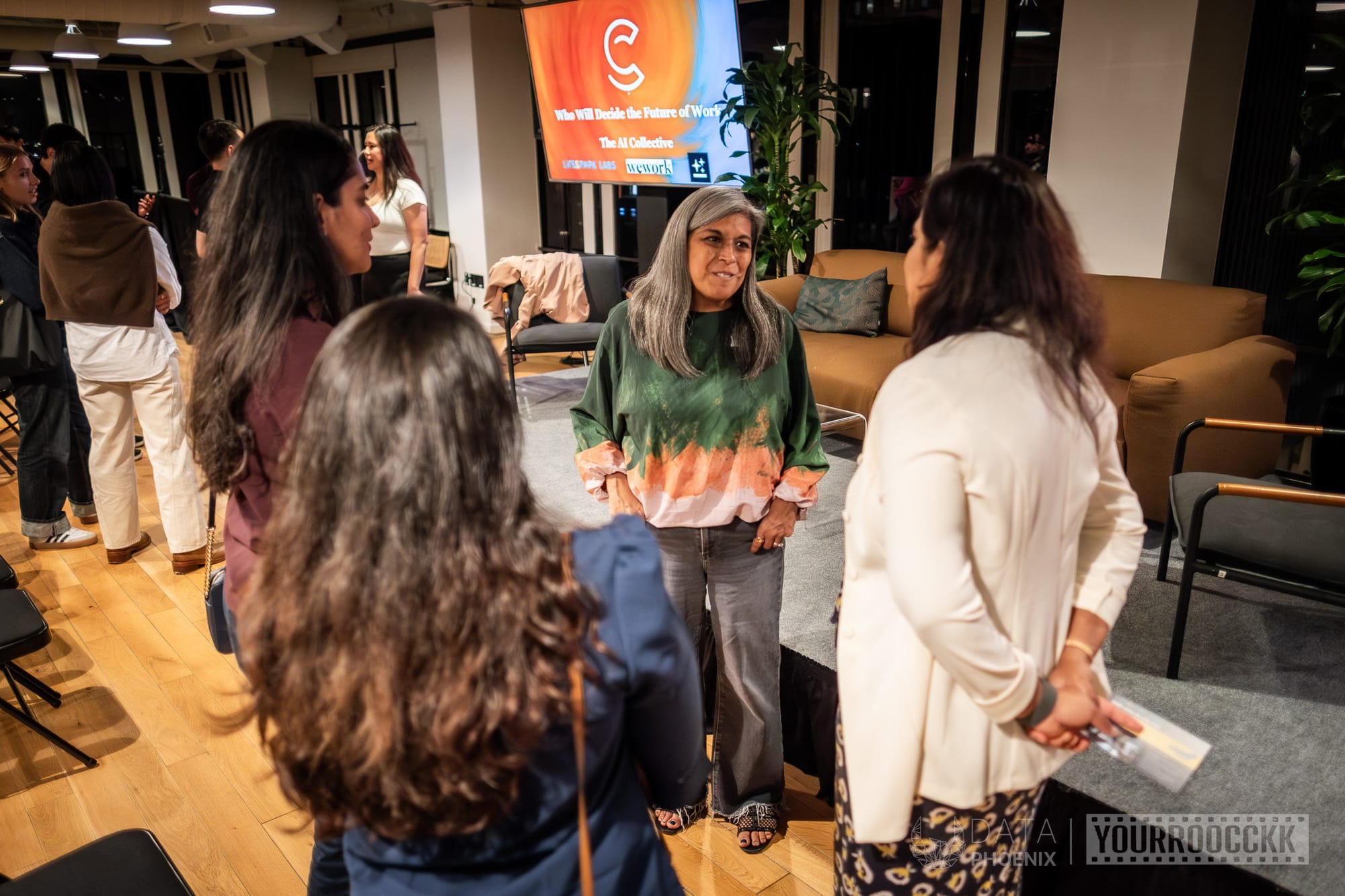
Photos from "Who Will Decide the Future of Work?" — a SFTechWeek panel exploring how AI, Gen Z, and new work models are reshaping careers and success.
A powerful discussion on the future of work unfolded during SFTechWeek at WeWork San Francisco, hosted by The AI Collective and LifeSpark Labs.
Leaders from tech, law, and education came together to rethink what “successful employment” means in the age of AI, automation, and shifting social values.
From Gen Z to executives, everyone shared how technology, purpose, and human skills are redefining careers.
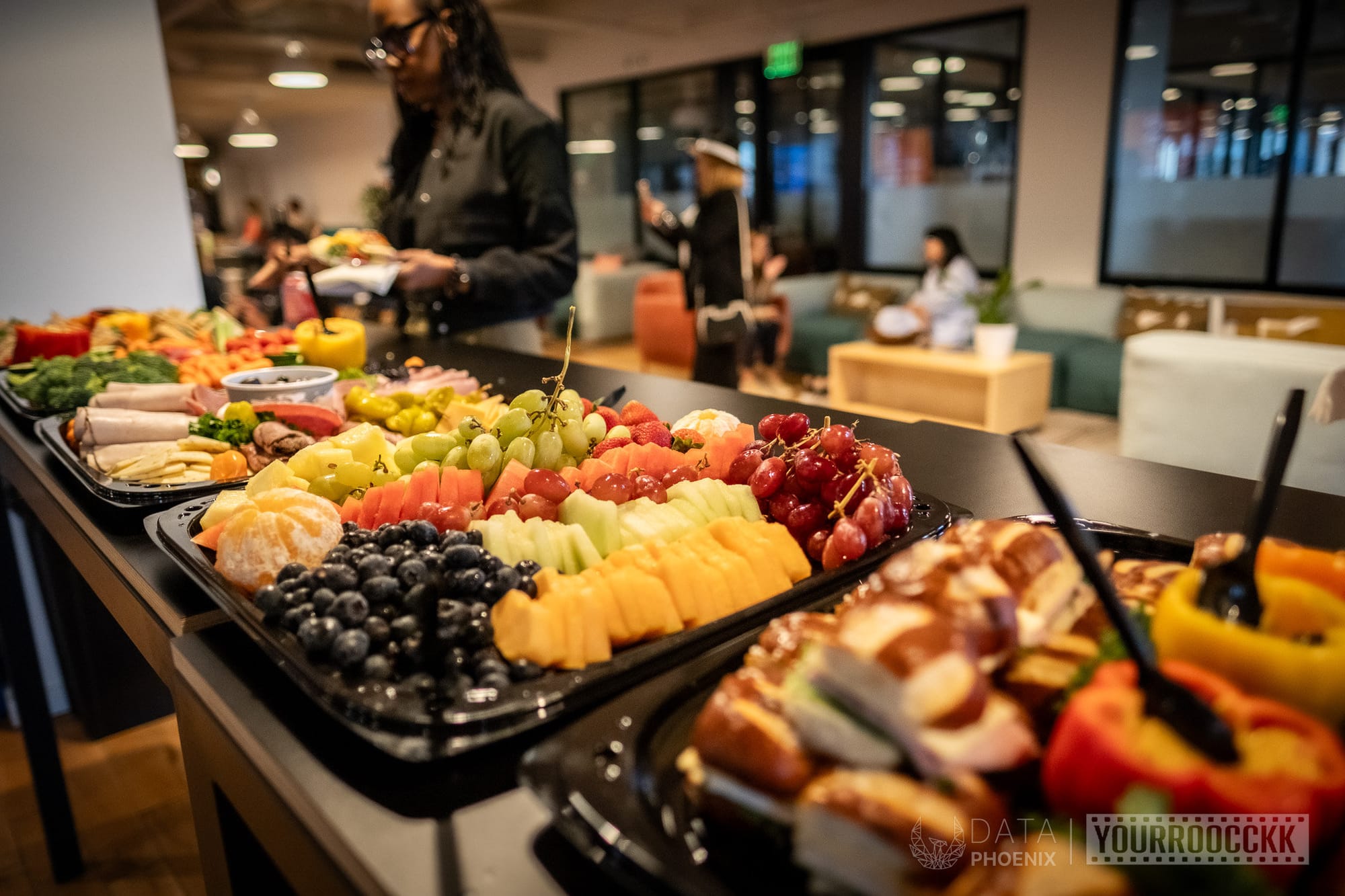
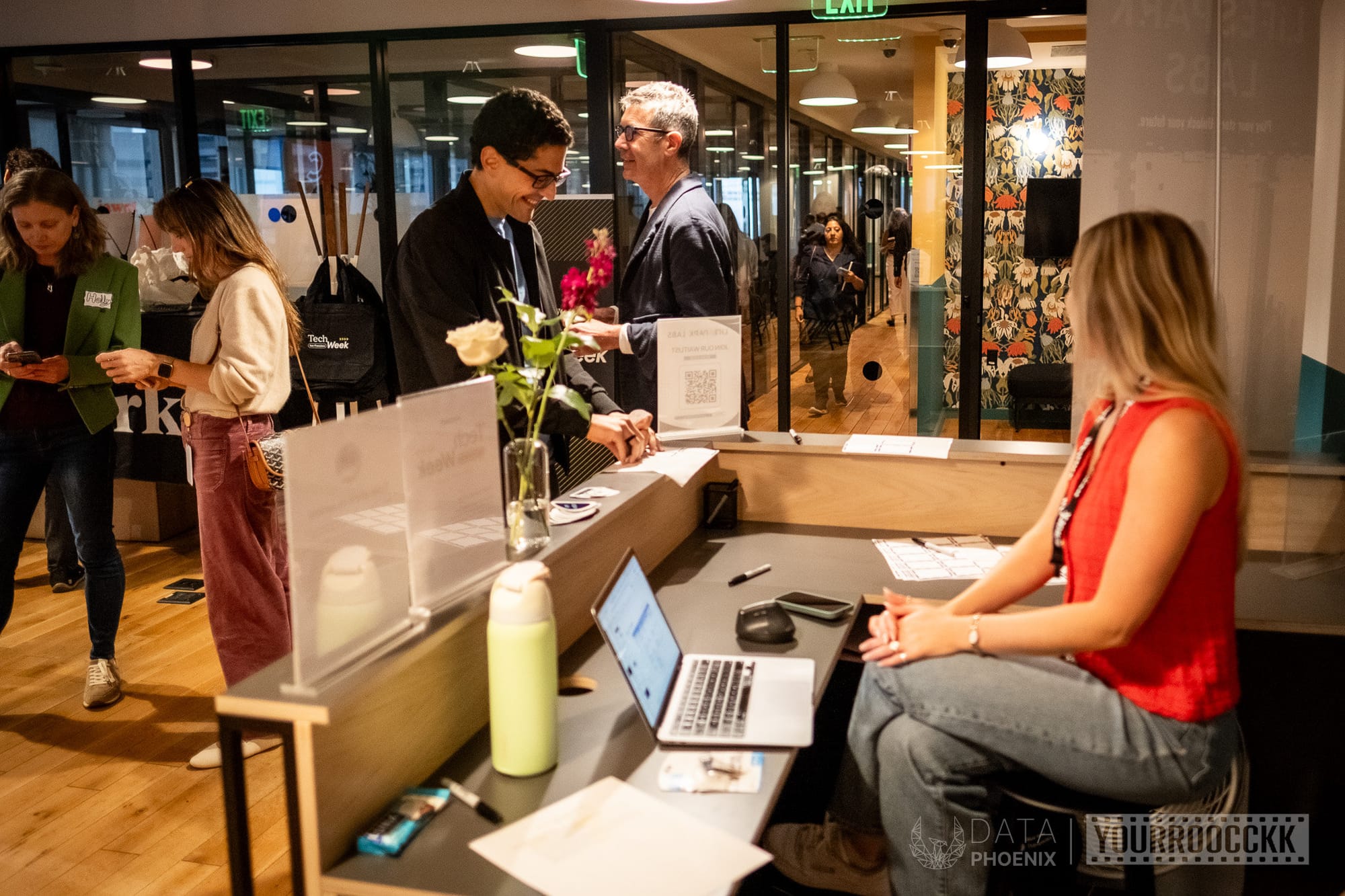
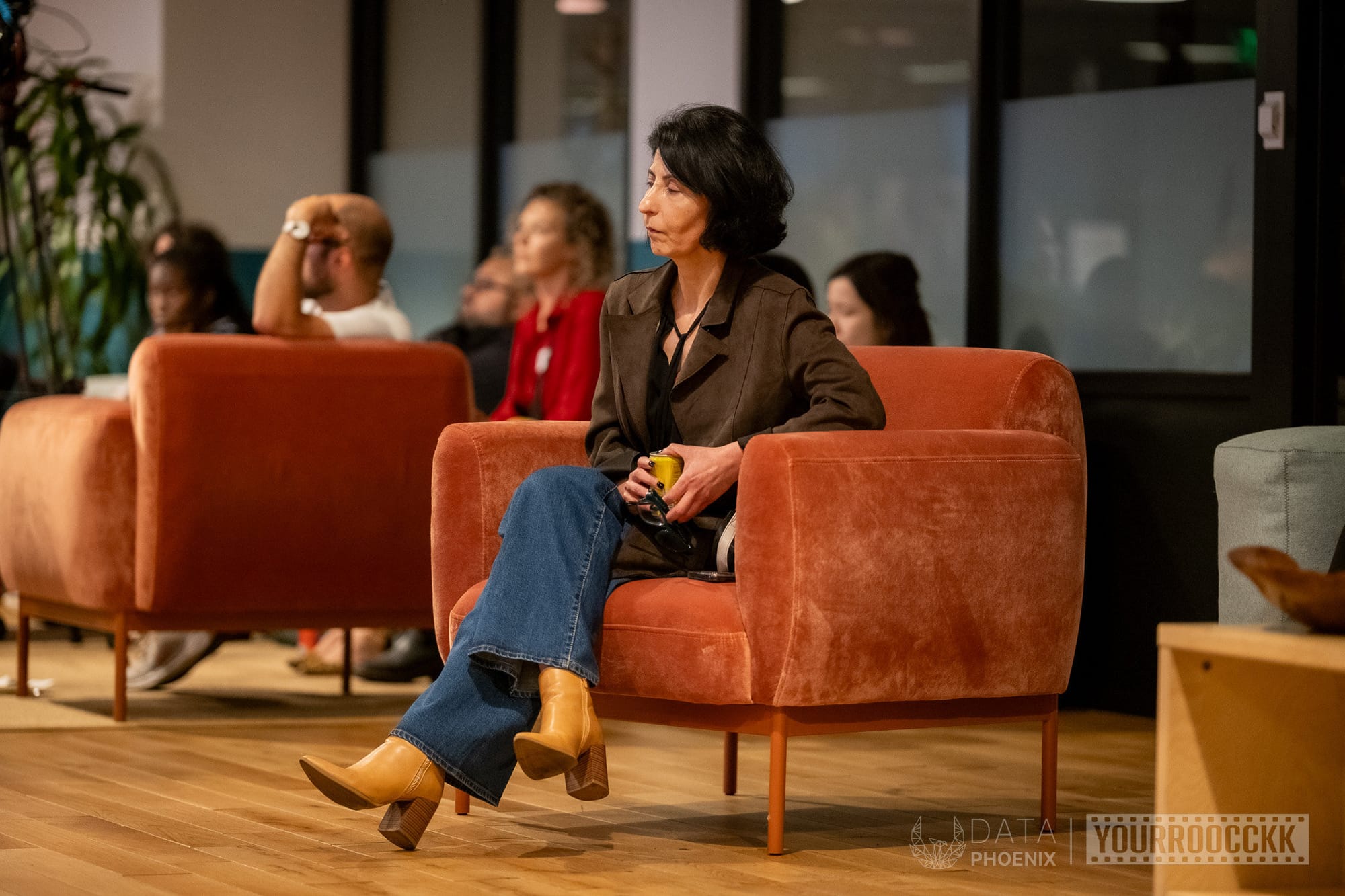
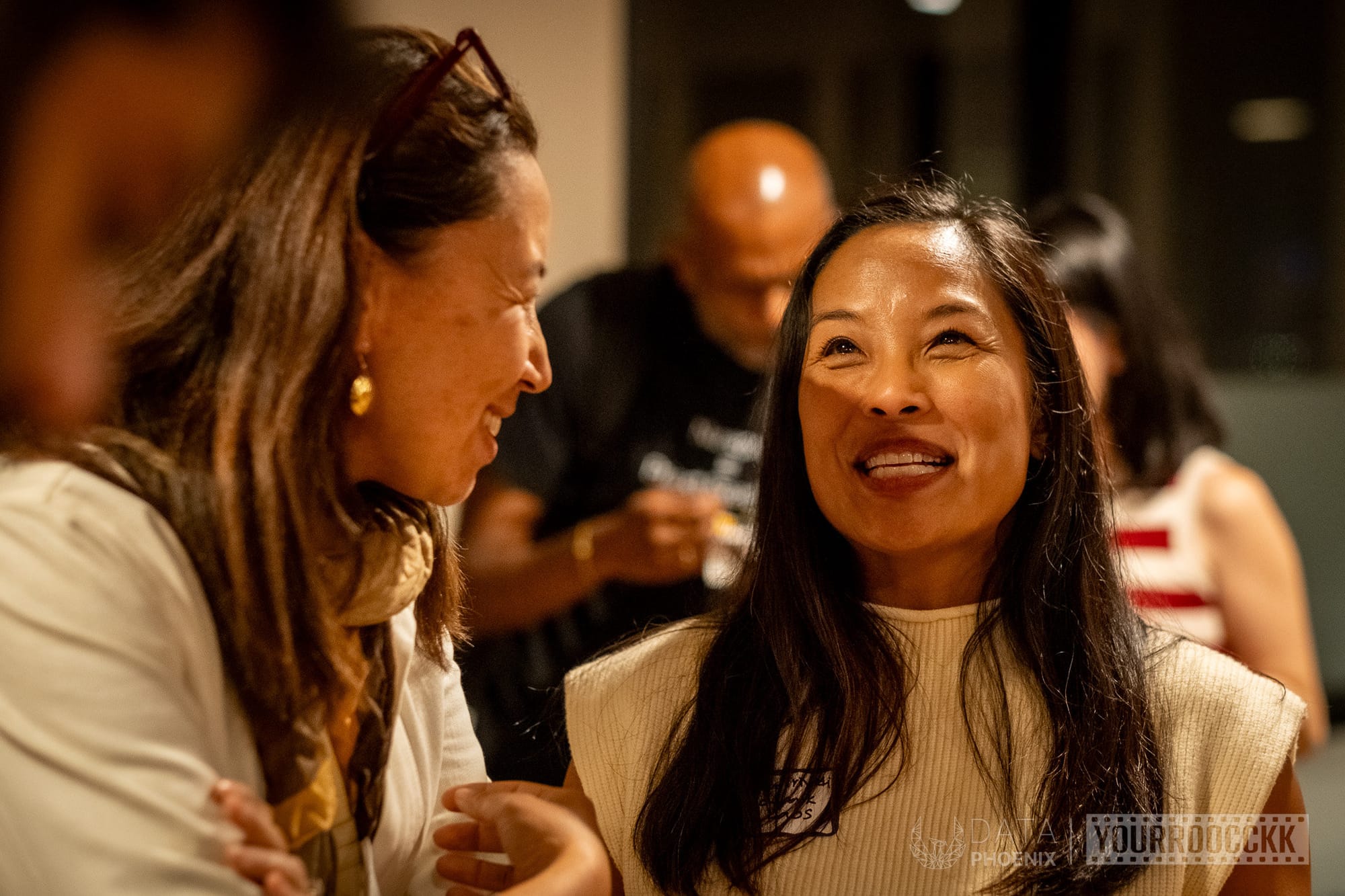
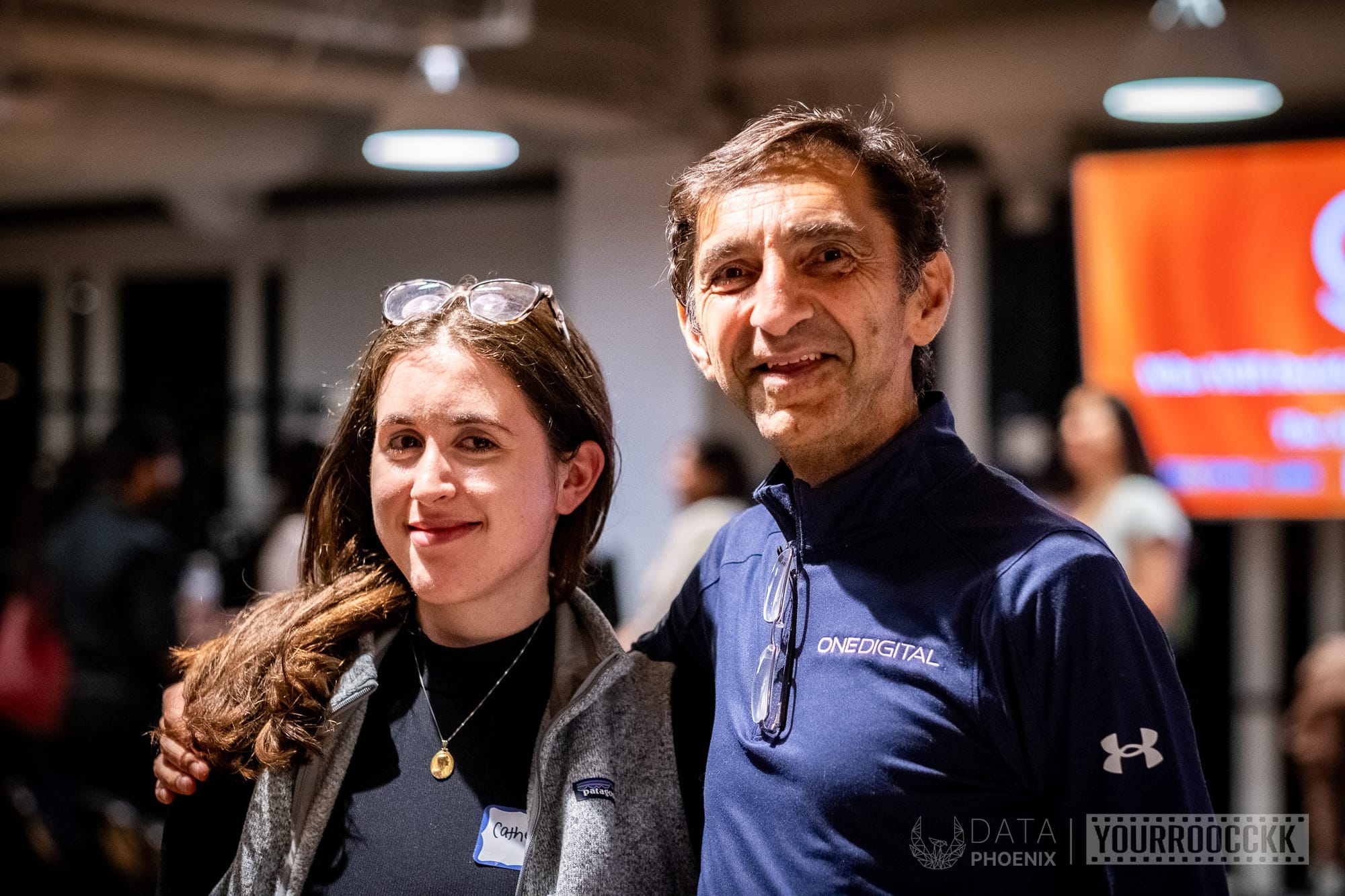
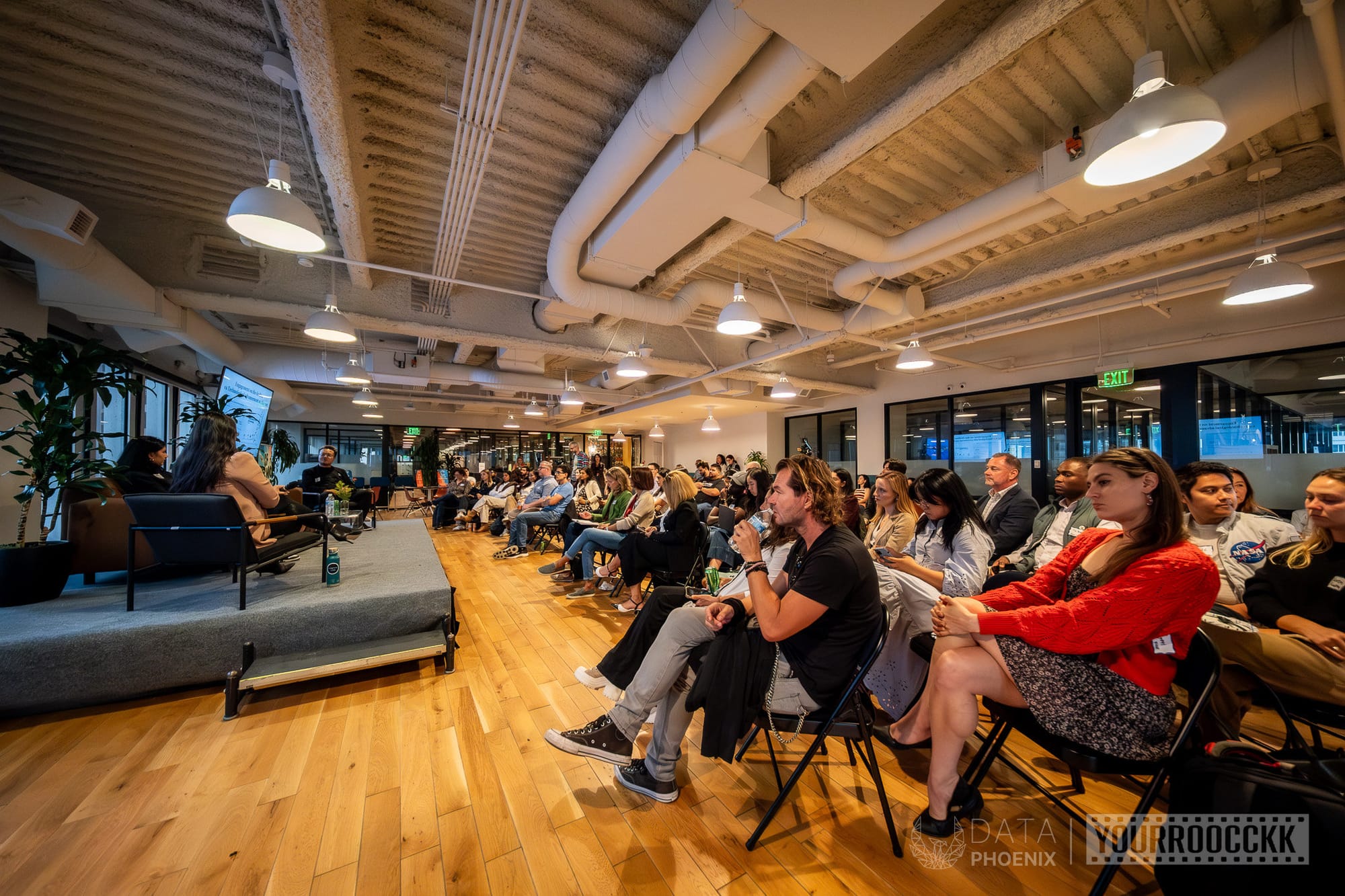
Browse the gallery below and relive the memorable moments.
Huge thanks to all speakers and guests for an inspiring evening of ideas, connection, and vision for the future of work.


Anthropic released Claude Opus 4.6 with "agent teams" that enable multiple agents to work in parallel on complex tasks, a 1 million token context window, and direct PowerPoint integration, expanding the model's appeal beyond software developers to knowledge workers across industries.
China's Moonshot AI released Kimi K2.5, an open source multimodal model with agent swarm technology that enables up to 100 sub-agents to work in parallel, alongside Kimi Code, a coding tool that rivals Anthropic's Claude Code.
Arcee AI, a 30-person US startup, released Trinity Large, a 400B-parameter open source model that rivals Meta's Llama 4 Maverick, addressing concerns about China's dominance in open-weight models and uncertainty around US companies' commitment to open source AI.
A new benchmark called APEX-Agents reveals that leading AI models still cannot reliably perform complex tasks requiring context-switching and multi-domain reasoning. APEX-Agents tests performance on tasks simulating real-world scenarios, with no tested model surpassing 24% accuracy in the benchmark.
Meta is pausing teen access to AI characters globally across its apps while developing a safer version with parental controls, amid mounting legal pressure over child safety concerns.
SF Bay Area media and education platform focused on AI and Data. As a voice of AI industry, Data Phoenix delivers news, practical knowledge, and helps companies be heard in the community.
Copyright © 2026 Data Phoenix. Published with Ghost and Data Phoenix.
Comments