Atlassian casts AI agents as visible teammates with AMP
Atlassian’s Agentic Multiplayer Protocol sets out how people and AI agents can share work, context and oversight across its platform without obscuring who did what.
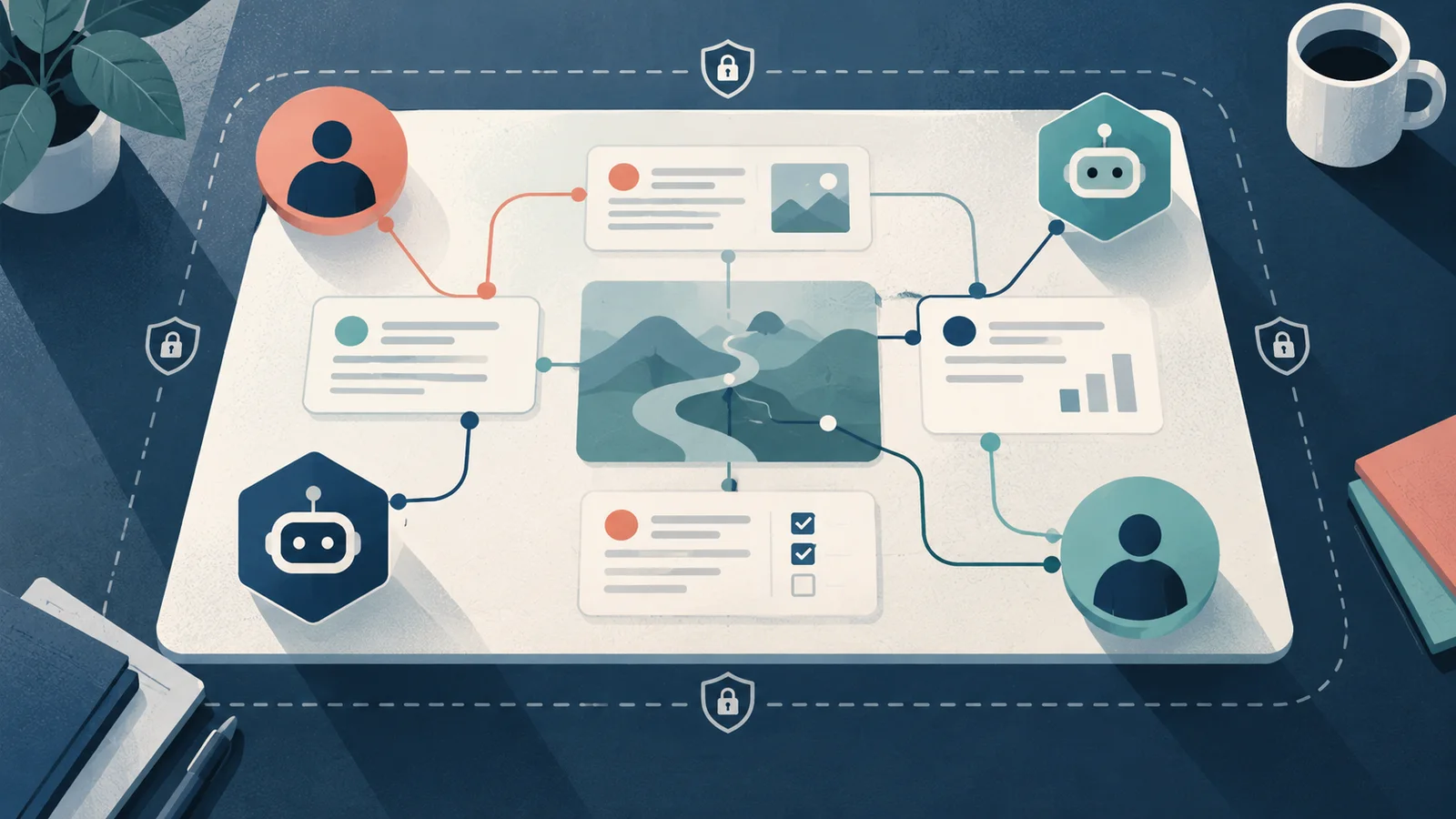
Atlassian has introduced Agentic Multiplayer Protocol, or AMP, as a framework for people and AI agents to work together across its products with shared context, visible identities and administrative controls. It gives teams a model for assigning work to agents while keeping their actions and access visible to people and administrators.
Despite its name, the company’s AMP overview describes a collection of design patterns and product experiences for mixed teams, not a conventional software interoperability protocol. The overview does not define a wire format, message schema or compatibility test. Instead, Atlassian lays out how agents should appear, receive work, show progress, use context and remain accountable while operating alongside people in Jira, Confluence, Loom and connected tools.
AMP rests on three pillars: real-time and asynchronous collaboration, identity and shared presence, and context and governance. Within that structure, Atlassian describes four working modes. A person can work alone, delegate a task to an agent, pair with one agent, or enter a multiplayer session where several people and agents contribute to the same work.
Identity stays explicit throughout those interactions. Atlassian reserves hexagonal avatars for agents and circular avatars for people, including when an agent reaches the platform through a command-line tool or Model Context Protocol connection. Page histories and live edits should lead with the agent that acted while also showing the person who invoked it. Active agents can appear in collaborator stacks, named pointers, text insertion points and other presence surfaces instead of operating as invisible background processes.
The patterns span live editing and longer-running workflows. Teams can assign an agent to a Jira work item manually or through an automated trigger, put an agent in charge of a workflow step, and expose session states such as current progress or a request for human input. Atlassian says local command-line and integrated development environment sessions can stream activity into its Teamwork Graph and surface that activity on shared products such as Jira boards.
AMP also addresses how work and context move between surfaces. A person could brief an agent with a Loom video, mention one in a Confluence page or comment, or pass a work item to a local or cloud coding agent. Atlassian positions the Teamwork Graph as an ambient context layer. Its patterns also call for one-click sharing of related documents, files, links and team information when a task moves to an agent.
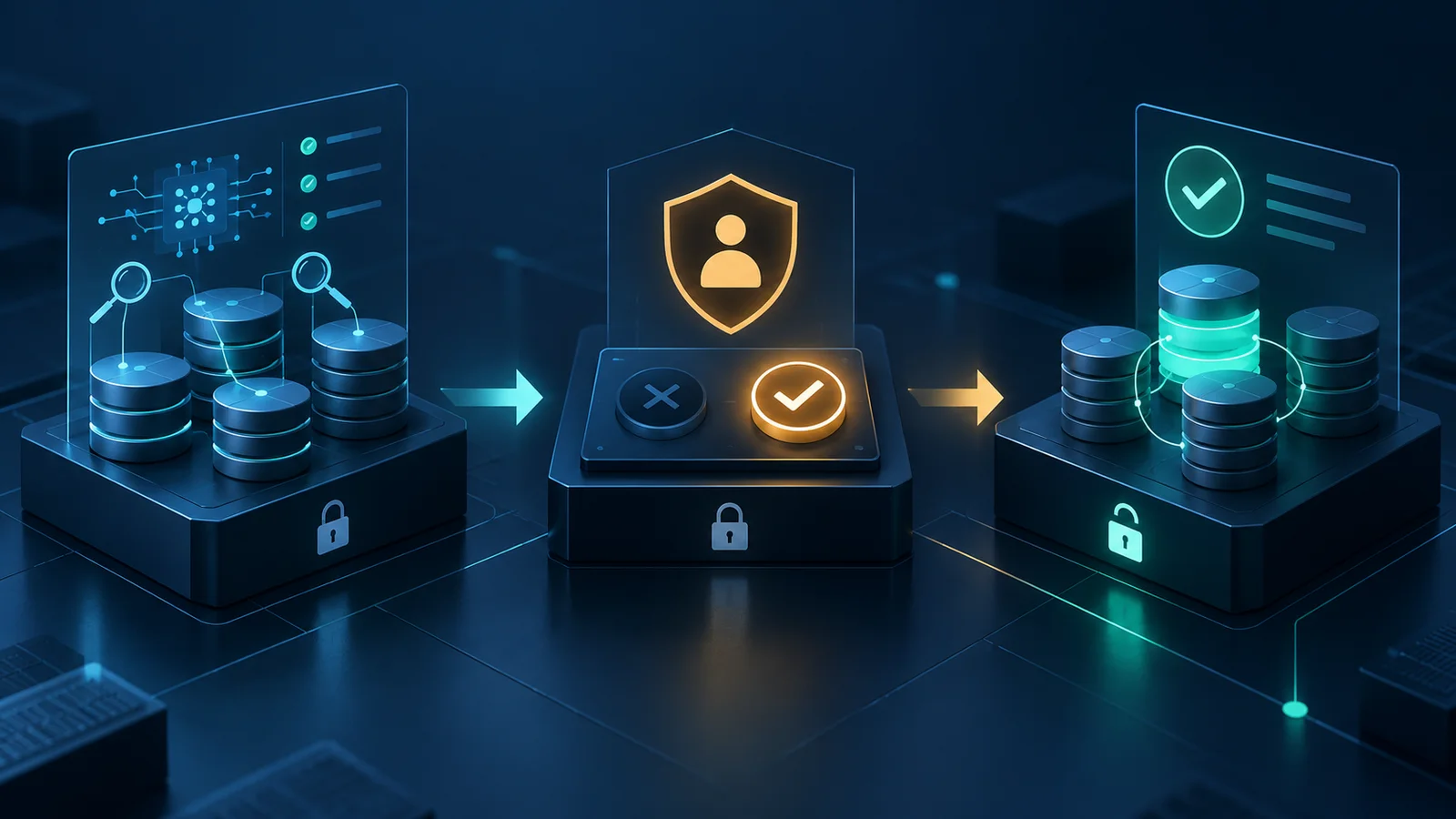
The collaboration model comes with controls over what an agent can see and do. Atlassian’s guidance calls for permissioned access to the Teamwork Graph, app- and space-level limits, separate agent accounts, deactivation controls, action logs and behavioral policies through Atlassian Guard. Automation settings should let a person decide whether an agent may act and restrict which tools it can use. Administrators should also be able to view non-human identities, including agents connected through command-line and MCP interfaces, and lock down their access.
The overview does not specify a rollout schedule, pricing, or which patterns are generally available rather than guidance for future product behavior.
More news
SAP starts Joule Work rollout with select customers
Cohere launches North 2 with agent orchestration and usage controls
NetApp puts approval gates around Workload Factory AI agents