AWS adds Strands defaults and lifecycle hooks to AgentCore harness
AWS is rolling Strands-based defaults into existing Amazon Bedrock AgentCore harnesses, alongside lifecycle hooks for checks and notifications at four points in an agent loop.
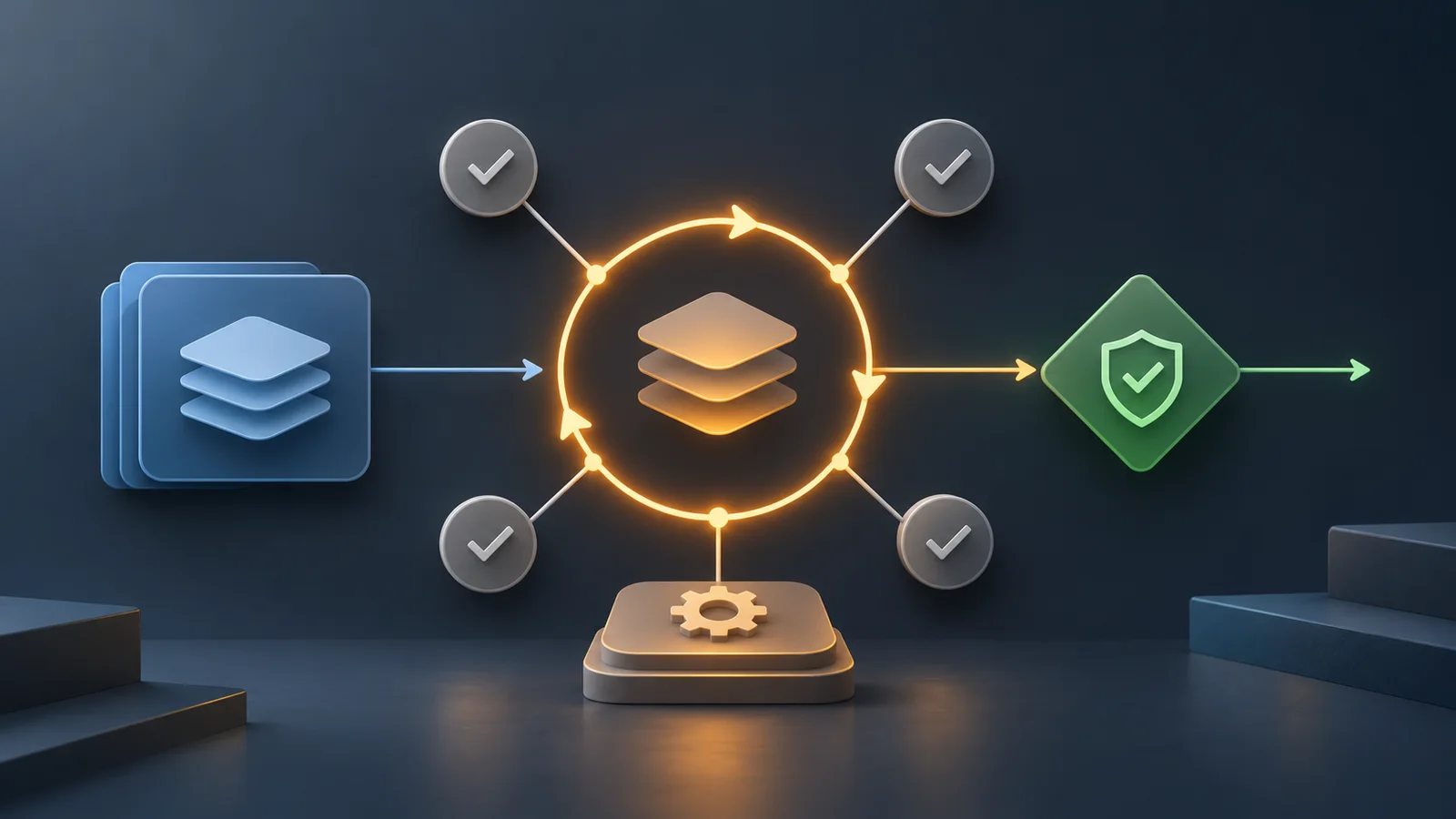
AWS is upgrading Amazon Bedrock AgentCore harness to use its open-source Strands harness. The update also adds lifecycle hooks for checks and notifications at defined points in an agent loop.
For existing users, the rollout requires no new resource type or integration. AWS said the Strands-backed experience began rolling out to new and existing harnesses on November 11, 2026, with no customer action required. Harnesses that leave the model, system prompt or truncation settings unspecified receive the upgraded managed defaults. Explicit settings continue to take precedence.
According to AWS, those defaults include a current recommended model, task-oriented system instructions and automatic prompt caching for supported models using Amazon Bedrock Converse. Context management summarizes older turns while retaining recent context after a configurable threshold. The recommended built-in capabilities cover planning, web retrieval, filesystem access, context offloading and task delegation.
Developers who need fixed behavior can pin a model, replace the managed system prompt, choose a truncation policy or enumerate individual tool selectors. If allowedTools is omitted or set to ["*"], the harness uses the current recommended built-in set. AWS warns that this set can gain capabilities over time and recommends listing only required tools when an application needs a fixed, least-privilege boundary.
Lifecycle hooks introduce four checkpoints: before_invocation, before_tool_call, after_tool_call and after_invocation. They are configured on a harness through CreateHarness or UpdateHarness, cannot be supplied as an InvokeHarness override, and are limited to 20 uniquely named hooks per harness.
AWS Lambda is the only supported hook target that can change the agent loop. It runs synchronously and returns an allow or deny decision. A denial before invocation stops the request. A denial before a tool call skips that call while the loop continues, while a denial after a tool call preserves the result but stops further inference. An after-invocation denial can only be reported because output may already have streamed. Lambda hook failures, timeouts and invalid responses default to deny unless the developer changes failureMode.
Amazon SNS and Amazon EventBridge hooks are non-blocking notifications and do not return decisions. Tool-call hooks also apply to tools used by delegated subagents, while invocation-level hooks run once for the overall invocation.
Each hook context object is capped at 64 KiB, with truncated content marked by the harness. AWS also documented a compatibility window for older harnesses with tool-call hooks. Harnesses created before November 12, 2026, at 00:00 UTC receive both the new read, write or edit event and a deprecated file_operations event for those calls. AWS says hook targets should be updated before the duplicate legacy event is removed on December 12, 2026, at 00:00 UTC.
More news

AWS brings Marketplace x402 purchases to AgentCore payments

Apple job listing outlines work on general-purpose AI agents
ResolveAI launches SRE-1 and puts Primary On-call in paging path