DeepSeek publishes proactive coding-agent prototype for GitHub work
DeepSeek released an MIT-licensed research prototype that routes authorized GitHub requests into separate per-ticket agent sessions, while warning that the code is not production-ready or an official product.
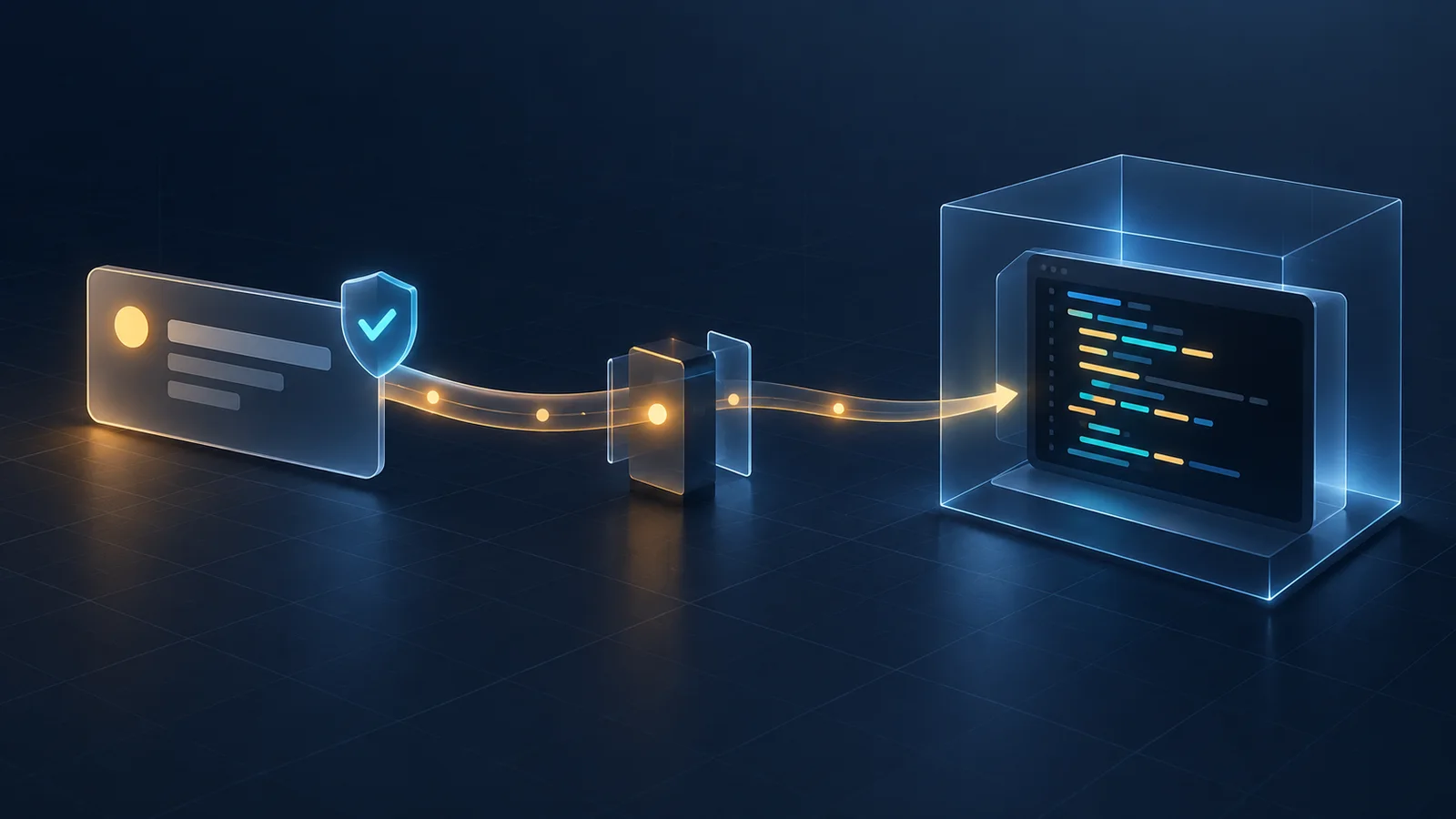
DeepSeek published an MIT-licensed research prototype for a proactive coding agent that listens for authorized GitHub requests, turns accepted work into tickets and returns results in the original conversation, including proposed pull requests.
The release adds an event-driven routing and execution layer on top of DeepSeek Harness. A main session evaluates incoming triggers, accepts and dispatches tickets, and handles replies, while a separate executor session and working directory are created for each ticket. That separation gives developers an inspectable reference design for moving work from a repository request into a separate per-ticket agent run.
The prototype is designed for one GitHub repository. GitHub is required, while Feishu support is optional. Its authorization rules allow explicit requests in every operating mode; unaddressed or inferred work is assessed under team-defined policy. The default observe mode records work that the system would accept without starting it, while auto mode accepts a positive assessment only when at least one enabled rule matches.
Operators must provide a dedicated agent GitHub account with repository write access. The account can comment, push branches and open pull requests. DeepSeek’s deployment guide also warns that executor sessions run commands without approval as the operator’s operating-system user and that the account wrappers select credentials but do not isolate the process. The guide recommends a dedicated OS account containing only the agent’s credentials when isolation is required.
DeepSeek released the code under the MIT License, but explicitly describes it as a research prototype for reference rather than an official DeepSeek product. The team says the published version was adapted for release, differs from its internal implementation and may contain bugs or inconsistent engineering practices. It also says some ideas in the related design article remain future directions and are not implemented in the repository.
That makes the repository distinct from the underlying DeepSeek Harness, which launched in August and is now described by DeepSeek as an open-source public preview. The new code is a Harness bundle for routing and executing proactive repository work, not a new release of the base framework.
More news
AWS adds live web app previews to Bedrock AgentCore sessions

MiniMax launches M3.1 Flash at $0.15 per million input tokens

AWS launches SageMaker inference skill for coding agents