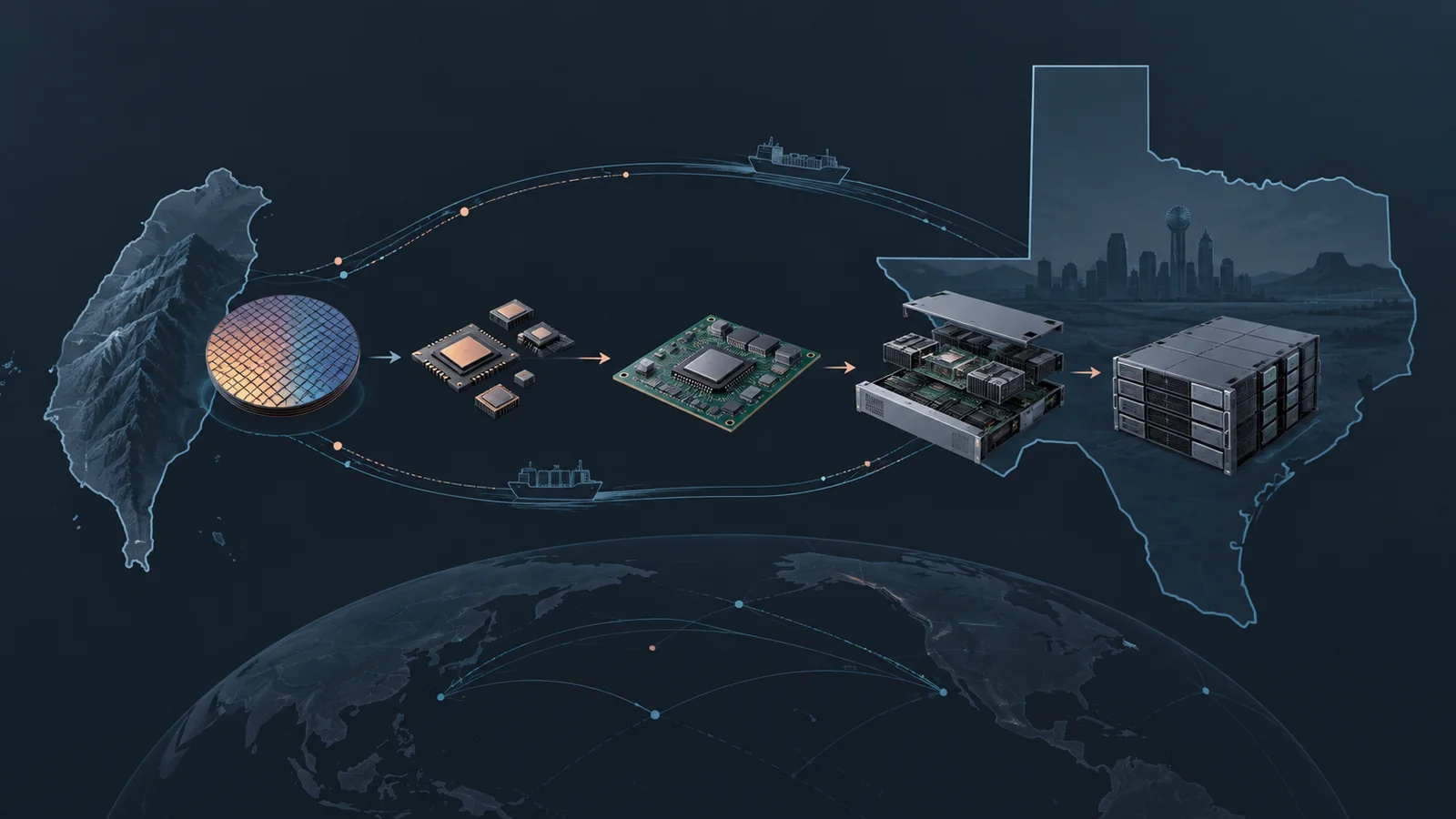
JERA, Dell and RHAELM sign Chiba AI MoU, with capital deployment expected above $15 billion
JERA, Dell Technologies and RHAELM signed an MoU for a planned Chiba AI site that could draw up to 400 MW, with capital deployment expected to exceed $15 billion.
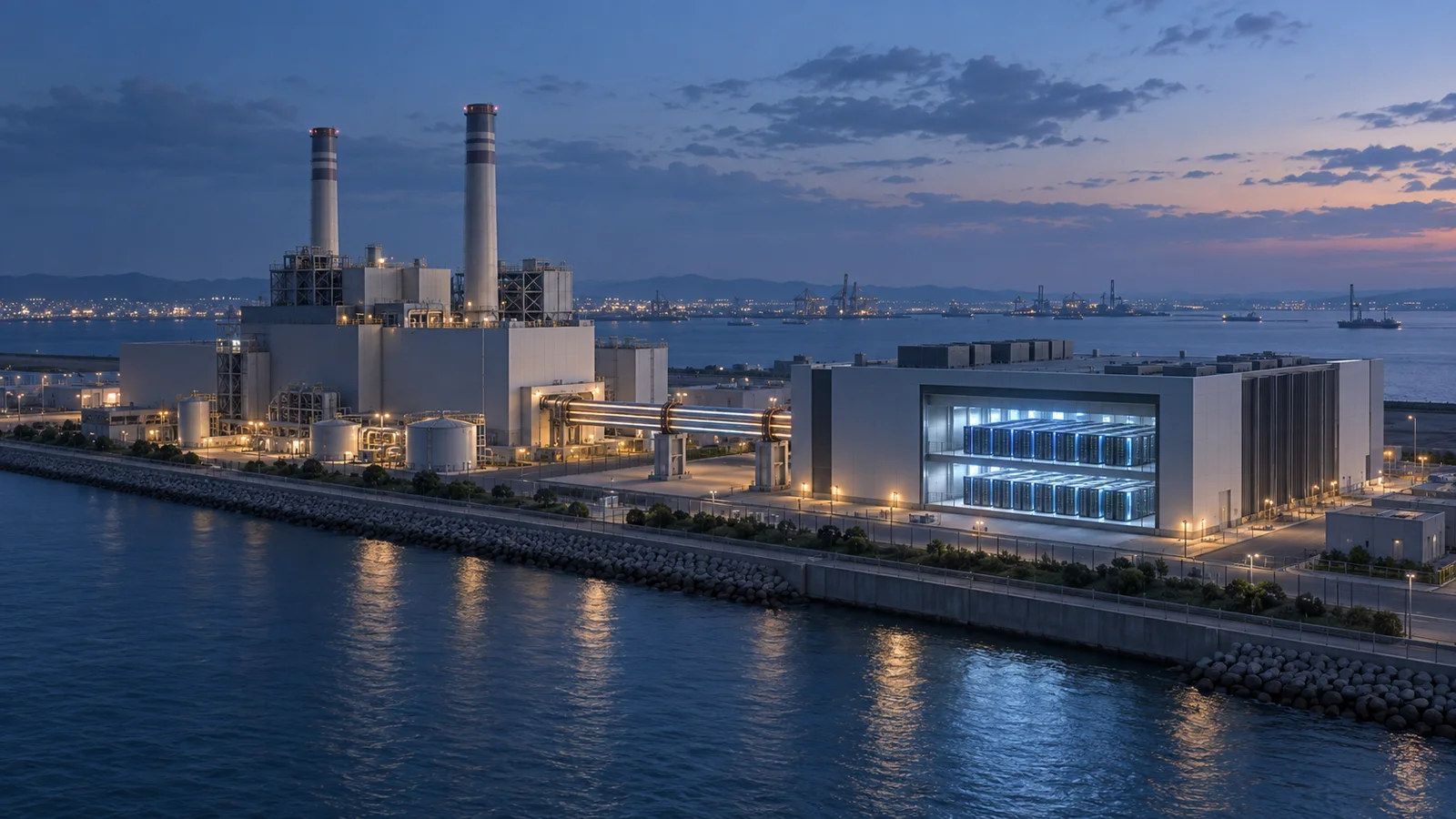
JERA, Dell Technologies and RHAELM signed a memorandum of understanding to develop a standardized model for national-scale AI infrastructure in Japan. The first planned project would be located at JERA’s Chiba Thermal Power Station.
Under the plan, the Chiba project would have access to up to 400 megawatts of power capacity. JERA expects total capital deployment to exceed $15 billion, or ¥2.3 trillion, across land, power infrastructure, facility construction and AI computing. Those estimates do not represent capacity already built or money already invested. Operations are targeted to begin around 2028.
The project would connect behind the meter to an operating JERA generation asset, allowing the computing site to receive power on-site instead of relying on a conventional grid connection. JERA expects that design to make capacity available years sooner than the usual grid-connected development schedule.
Dell is set to provide its Dell AI Factory compute standard, which JERA described as pre-integrated, rack-scale infrastructure designed for rapid deployment. RHAELM would lead project delivery, bringing together JERA’s site and power capabilities with Dell’s computing systems. DataPhoenix has separately covered enterprise AI cost and adoption measurement elsewhere in Dell’s enterprise AI ecosystem.
Apollo Global Management intends to serve as RHAELM’s strategic investment and financing partner for the first Chiba project. The announcement did not disclose a committed financing amount, a signed financing agreement or a proposed mix of debt and equity.
The companies intend to establish the model first in Japan, then explore its use in other markets. JERA and RHAELM also plan to study deployments at other JERA sites, with an ambition to support multi-gigawatt AI infrastructure capacity across Japan in the 2030s.
More news
Nokia AI and cloud sales rise 123% as network business grows
Microsoft ends Nscale Loughton data center deal after grid delay
EverWind outlines more than $10 billion Nova Scotia data-center and wind buildout