Microsoft opens Surface AI hardware preorders and releases agent containers
Microsoft opened preorders for two RTX Spark-powered Surface systems and made its agent-containment framework generally available, while separate Windows and Copilot features remain scheduled for later rollouts.
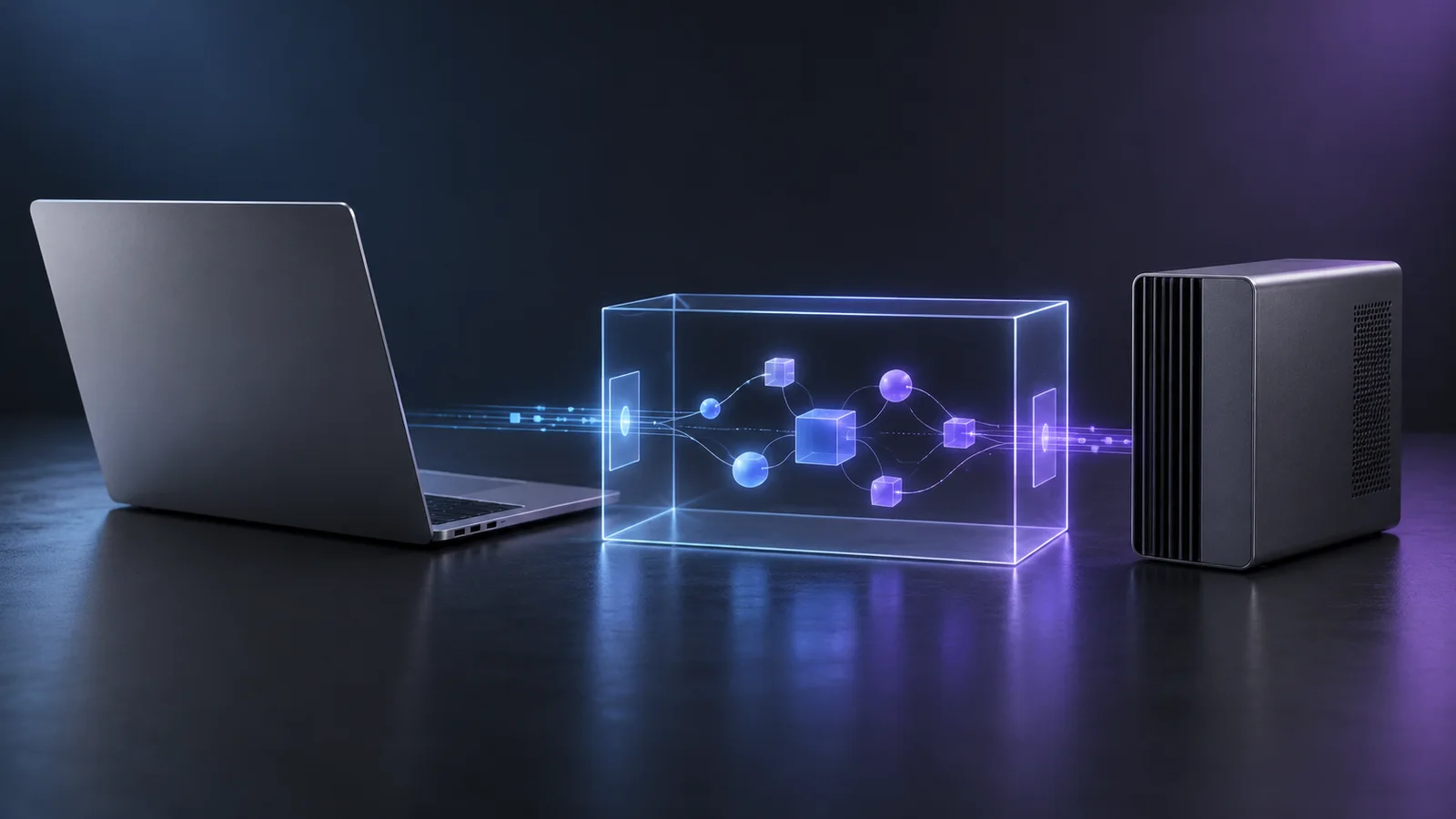
Microsoft opened preorders for Surface Laptop Ultra and Surface RTX Spark Dev Box on Oct. 7, while making Microsoft Execution Containers generally available on Windows 11.
Together, the announcements put high-memory local AI hardware up for preorder and a policy-controlled environment for AI agents into general release. The computers will arrive on different schedules, while the hybrid local-cloud features announced for GitHub Copilot, Windows Search and Copilot on Windows are not yet broadly available.
The Surface Laptop Ultra starts at $2,599.99 and is scheduled to become available Oct. 16. Microsoft says the laptop uses NVIDIA’s RTX Spark Superchip, supports up to 128 GB of unified memory and can run AI models with more than 120 billion parameters locally. Those performance and model-size figures are Microsoft claims and were not independently benchmarked in the opened sources.
The Surface RTX Spark Dev Box starts at $5,999.99. Microsoft says the Windows 11 Pro desktop provides up to one petaflop of AI compute and 128 GB of unified memory. U.S. shipments are planned for November, but the company did not provide an exact date or specify availability outside the United States.
Microsoft also released Microsoft Execution Containers, or MXC, as generally available on Windows 11. It lets developers and administrators declare which files, network destinations and other resources an AI agent may use. The policy stays outside the agent workload’s control, and MXC selects a containment backend when the workload runs.
MXC’s documented options include process containers on Windows 11, macOS and Linux; session and Windows Subsystem for Linux containers available only on Windows; and an experimental MicroVM option on Windows 11 and Linux. The framework is designed to limit an agent’s access even when it can take actions on a user’s behalf.
Other parts of Microsoft’s hybrid intelligence plan for Windows have later or less specific timelines. GitHub HydraFusion, which Microsoft says will route tasks between cloud and on-device models, is due in an experimental preview later in October for the GitHub Copilot app, GitHub Copilot CLI and Visual Studio Code. Microsoft also announced llama.cpp support in Windows ML for running local models.
Copilot on Copilot+ PCs is slated to begin gaining hybrid features in the coming months. With user permission, Microsoft says Copilot will be able to use local PC context, take actions on the device and combine local models with cloud services. The company did not give exact release dates and said timing may vary by device, market and silicon platform.
New taskbar Search actions began rolling out to Windows Insiders in the experimental channel on Oct. 7. Optional Copilot integration in Search is scheduled to start in select markets later in 2026.
More news
Microsoft releases ThinkingBox agent benchmark through Hugging Face

Microsoft adds voice agents and optimization tools to Foundry

Microsoft relaunches Copilot with Home, Code and Autopilot