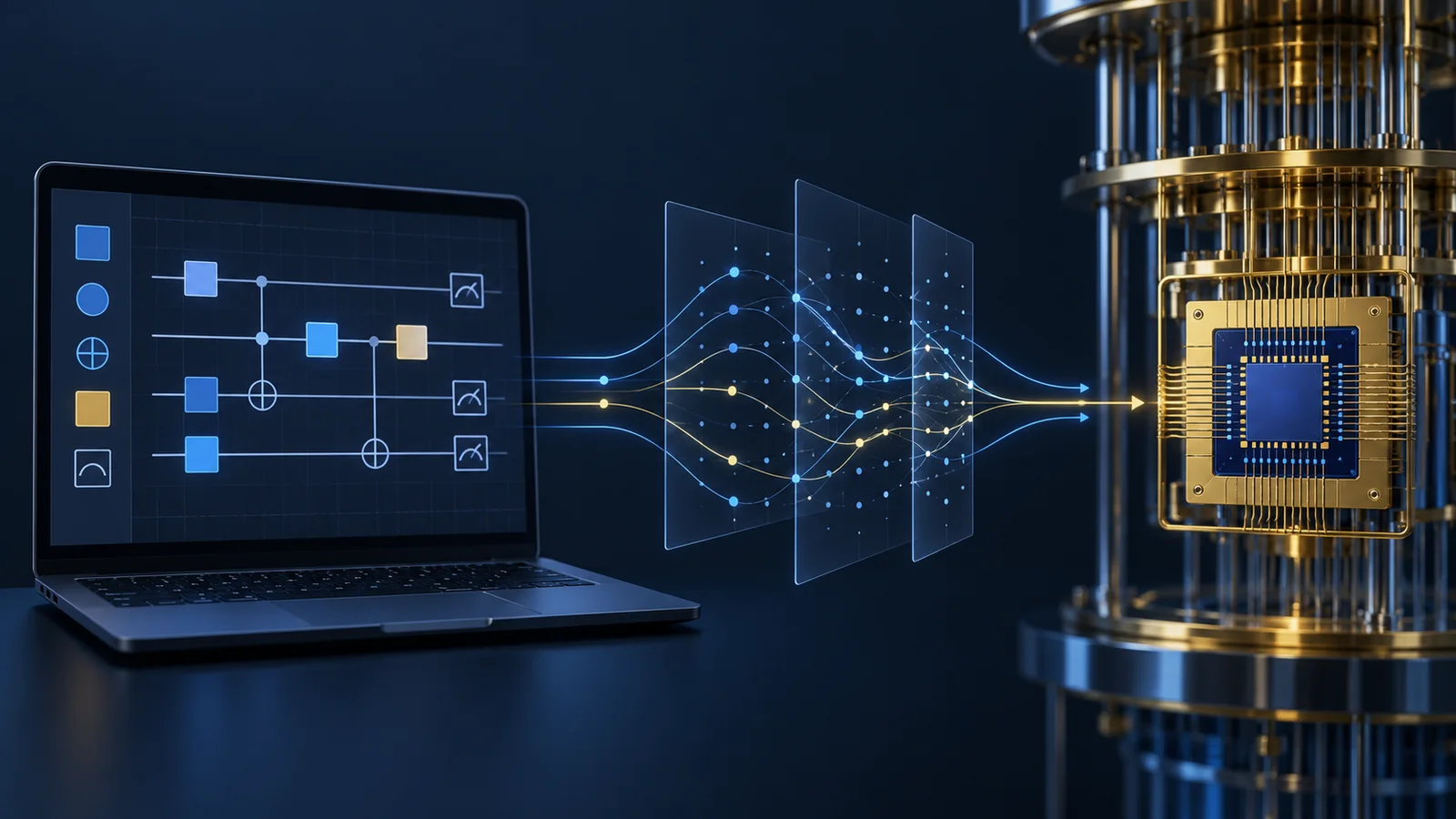
IBM says joint team reached 2026 Gordon Bell Prize finals
IBM says its team with Cleveland Clinic and RIKEN reached the 2026 Gordon Bell Prize finals, alongside updates to an automated quantum-HPC workflow and binding-energy results.
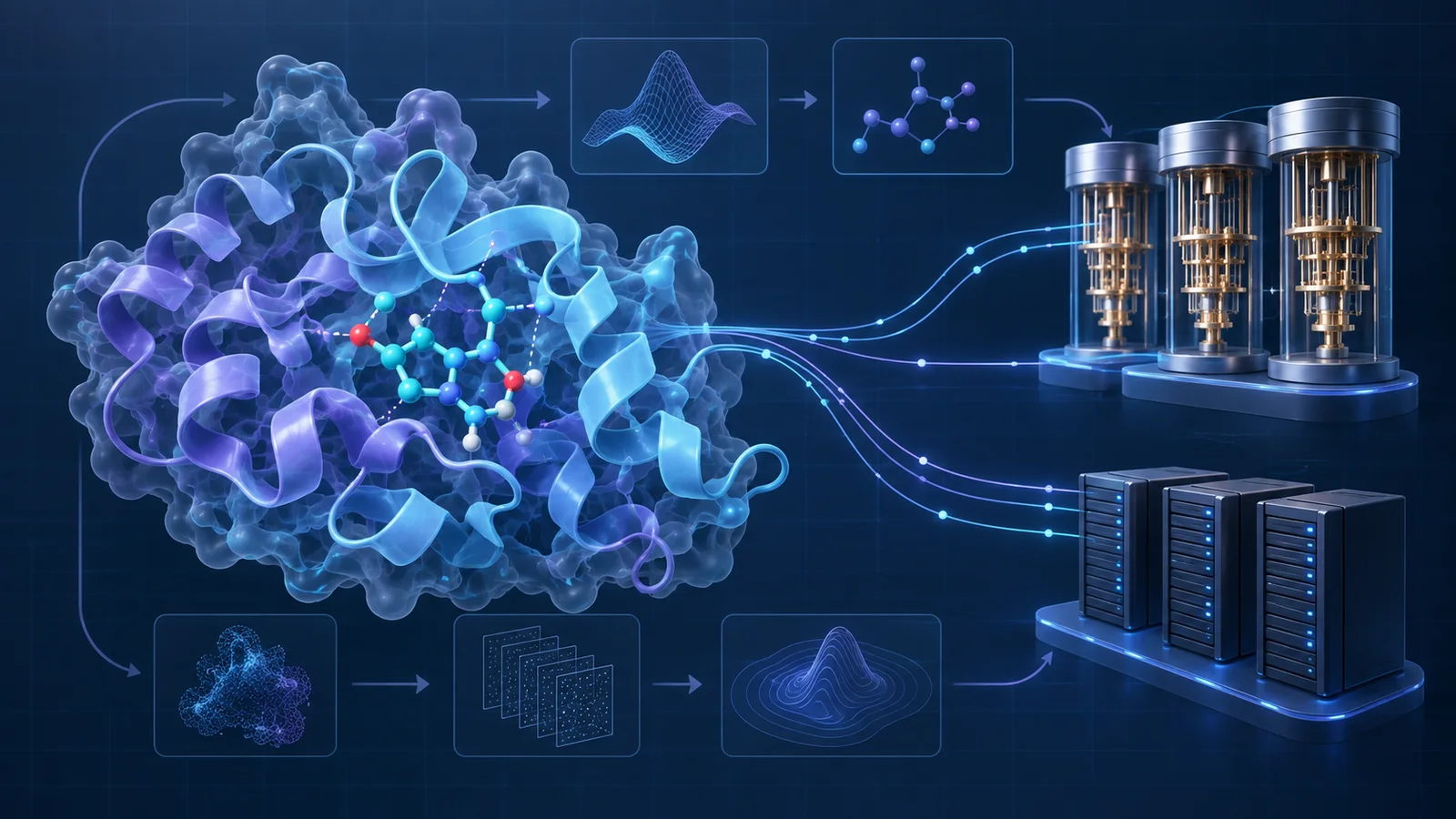
IBM says its joint team with Cleveland Clinic and RIKEN has been named a finalist for the 2026 ACM Gordon Bell Prize for research combining quantum computers with supercomputers to simulate protein-ligand complexes. The recognition, announced September 9, is a finalist designation rather than a prize win.
Alongside the recognition, researchers detailed a September update that includes an automated workflow linking CPUs, GPUs and quantum processing units, as well as a revised protein-ligand binding-energy calculation. The 12,635-atom simulation itself is not new: the team submitted that result as a preprint on May 1, and IBM announced it publicly on May 5.
The researchers reported simulations of two protein-ligand complexes containing 11,608 and 12,635 atoms. They described the larger calculation as more than 40 times the previous system-size state of the art for heterogeneous quantum-classical computing. The supplied evidence does not include an independent audit of that comparison.
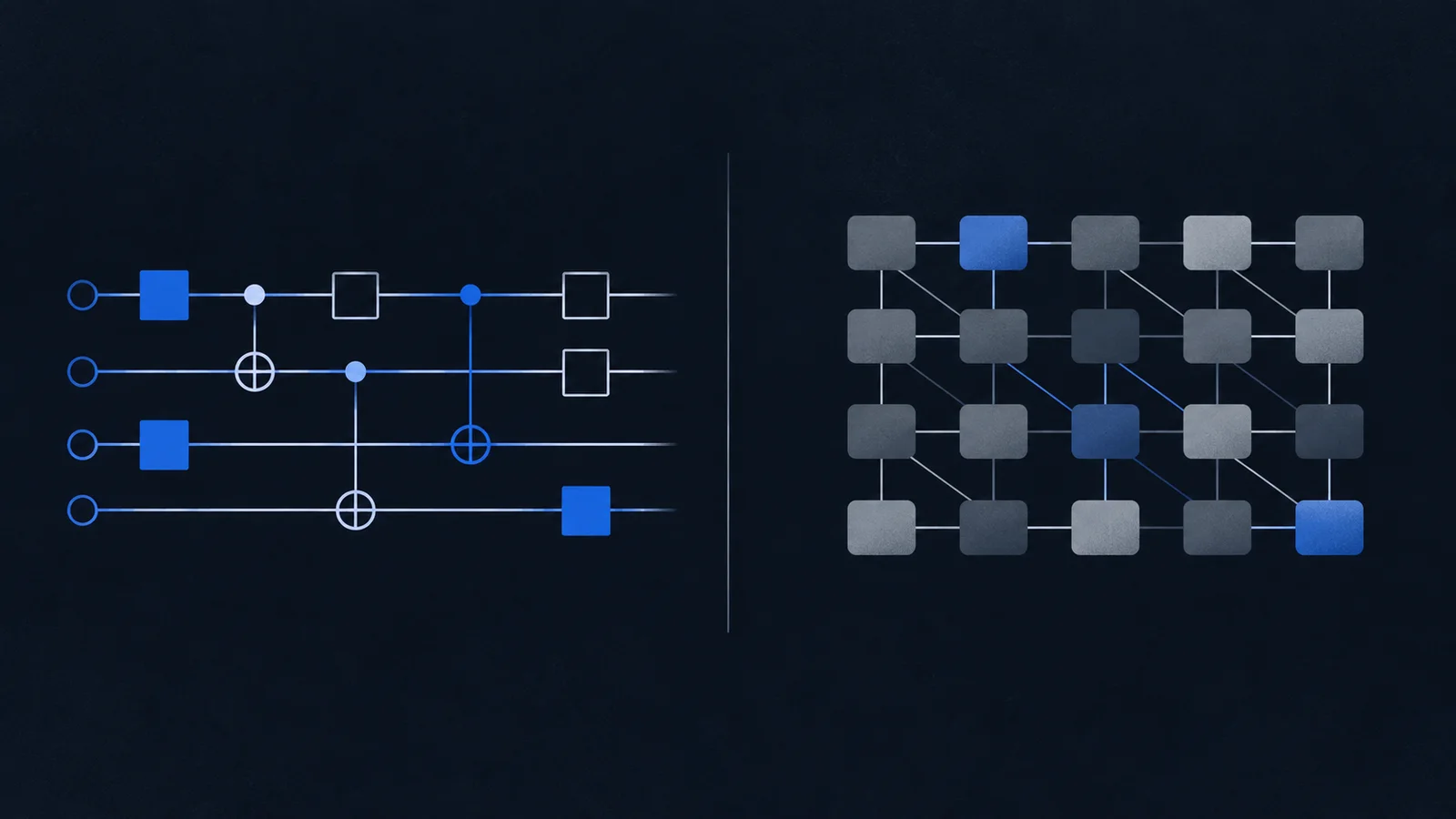
The authors describe a workflow that splits a large molecule into fragments. Quantum processors sample selected configurations for those fragments, while CPU and GPU systems handle error mitigation, subspace calculations and reconstruction of the total energy. According to the September 5 preprint revision, the work used two 156-qubit IBM processors, with as many as 94 qubits used, alongside the Fugaku, Miyabi-G and ROQUO supercomputers. The team reported running 21,006 circuits over more than 239 hours and collecting 3.0 billion measurement outcomes.
The authors also claimed up to a 210-fold improvement in fragment-energy accuracy over their comparison benchmark and said their quantum-classical fragment energies matched coupled-cluster singles-and-doubles accuracy. The supplied evidence did not establish peer review, independent replication or experimental validation of the reported binding energies.
In the updated binding-energy calculation, the researchers said a mixed basis corrected the sign of the T4-lysozyme complex’s binding energy at roughly 10 times the computational cost. They also reported that an automated end-to-end run on ROQUO finished in 62.4 hours. RIKEN says ROQUO entered operation in June as a quantum-HPC integration system with 135 nodes and 540 NVIDIA Blackwell GPUs.
The work is separate from IBM’s commercial AI infrastructure activity, including a Blackwell Ultra inference deal with Together AI announced in August.
IBM said the Gordon Bell Prize winner will be announced at SC26 in Chicago, scheduled for November 15-20, 2026.
More news
IBM says DARPA moved its quantum computing plan to Stage C
IBM brings native Qiskit development to Fortran, C++ and Julia
IBM researchers prove theoretical quantum advantages over bounded language models