Perplexity launches Orchestrator API for multi-model inference
Perplexity's Orchestrator API brings proprietary and open-weight models under one interface, API key and bill, with automatic provider routing and same-model failover.
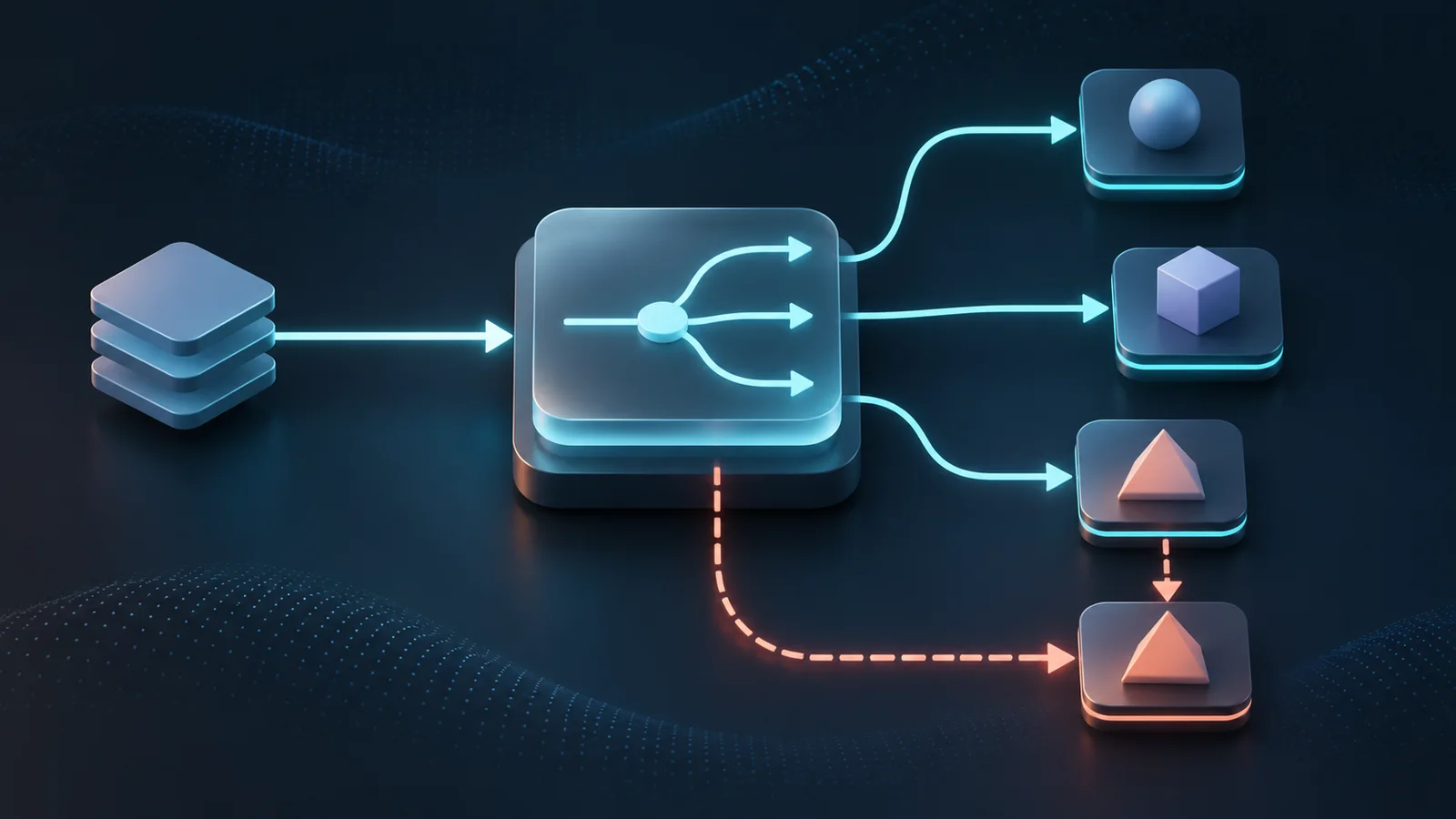
Perplexity launched the Orchestrator API on November 17, putting proprietary and open-weight AI models behind one interface. The service shifts billing, provider selection and deployment failover into a platform layer, work that applications would otherwise manage across model providers.
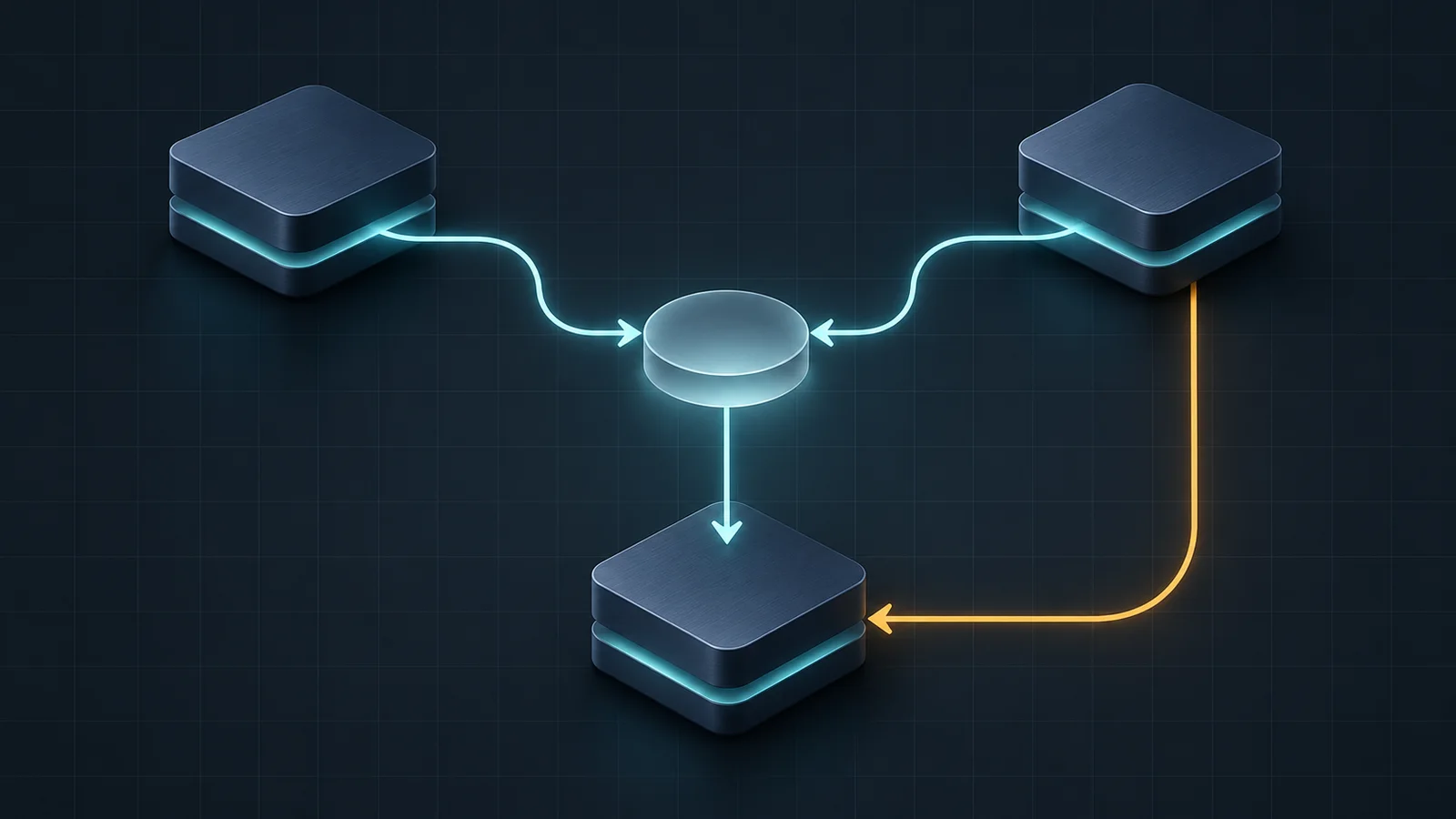
After a developer selects a model from Perplexity’s catalog, the company says Orchestrator chooses a deployment using observed error rates, capacity and latency. If that deployment fails, the service retries another available deployment of the same model, without changing either the model or its published rate.
Orchestrator accepts OpenAI Chat Completions, OpenAI Responses and Anthropic Messages request formats. According to Perplexity’s quickstart documentation, an existing integration can migrate by changing its base URL and API key and selecting a catalog model ID, although supported features vary by model. Customers use a Perplexity API key instead of supplying separate keys from individual model providers.
Requests draw from Perplexity API credits at the answering model’s published token rate, with no additional platform fee, the company says. The catalog includes models from OpenAI, Anthropic, Google and xAI, as well as open-weight model families including GLM, Kimi and DeepSeek. Access still depends on Perplexity usage tiers, and a model’s appearance in the catalog does not guarantee capacity.
An optional preview feature takes routing beyond provider deployments to the models themselves. Developers describe workload routes in plain language, and a decision model selects a route for each request. A configured default model handles unmatched requests, decision-model failures and timeouts, along with requests containing media or files. Because the decision is made per request, different turns in the same conversation can use different models.
Perplexity says the model layer behind Orchestrator routes hundreds of millions of requests across more than 85 models and more than a dozen providers. Neither those scale figures nor the company’s reliability comparisons have been independently audited or replicated.
The API is stateless, so request fields that depend on server-side state return errors. Perplexity has not published a contractual uptime commitment, exact retry limits or the weighting of its provider-routing signals. The company also says adaptive provider routing based on changing model speed remains under development.
More news
Hugging Face switches language-model inference routing to OpenRouter
DeepSeek brings app search, files and voice tools to its API

AWS adds usage metering to SageMaker bidirectional streams