Snowflake adds Business Ontology and expands AI-agent governance
Snowflake is separating governed business definitions from AI-agent execution controls, with capabilities ranging from general release to forthcoming previews.

At its Expedition 2026 event on Nov. 3, Snowflake announced Business Ontology and expanded Cortex AI Gateway controls. The products divide two jobs: grounding AI agents in approved business meaning, and governing how they use models, tools and enterprise systems.
The capabilities do not share a single release status. Cortex AI Gateway inference, observability and cost management are generally available, while Gateway Tools is in public preview. Cortex Sandboxes, Agent Abuse Detection, Agent Trace Intelligence and Dynamic Model Routing are in private preview. Business Ontology and Cortex Sense are described as coming to public preview, with no release date.
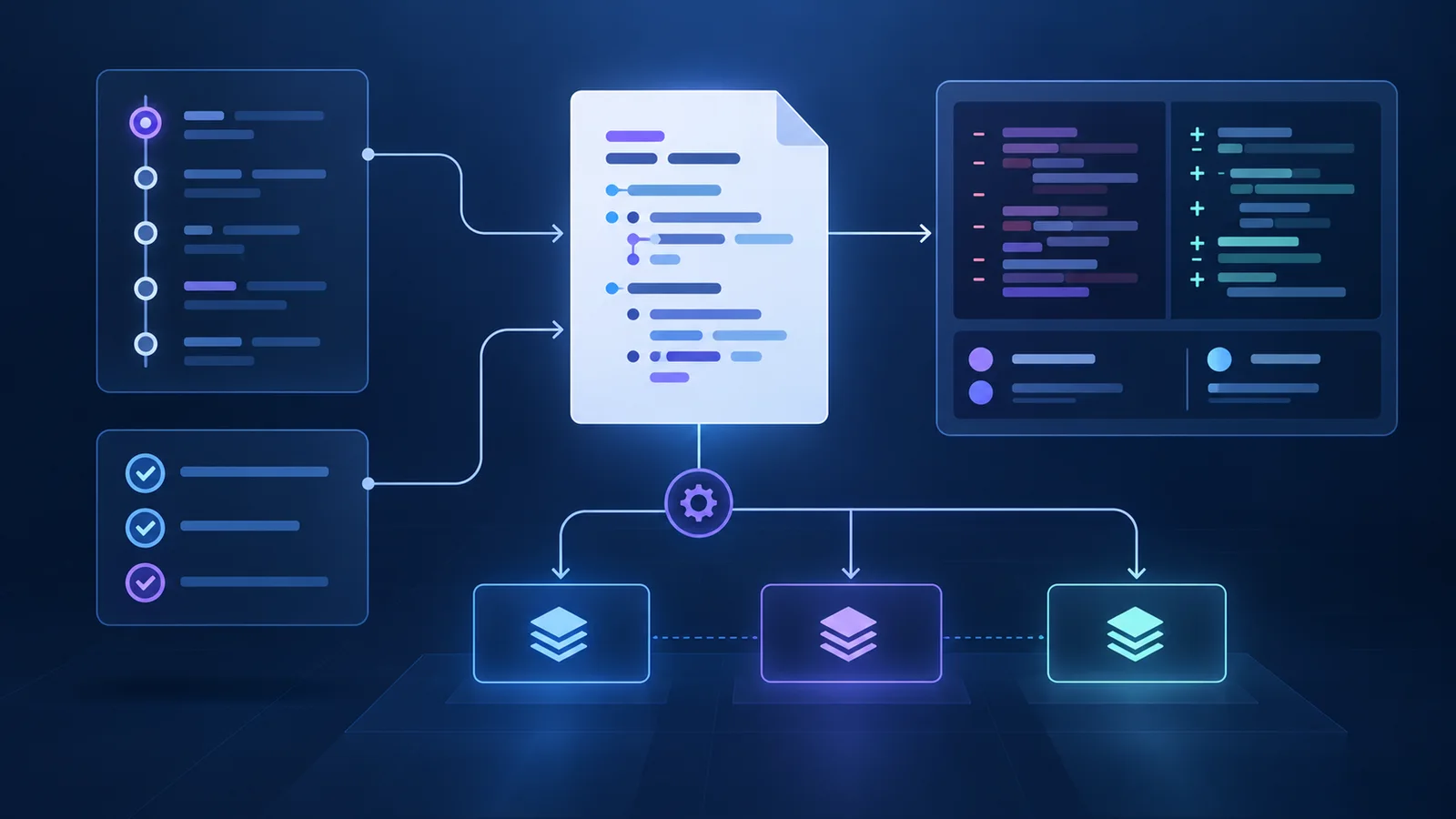
Business Ontology, part of Snowflake Horizon Context, is designed to give business terms, entities, relationships and metrics an approved definition, named owner and link to the data or semantic view that implements them. Snowflake says only approved definitions are served to its CoCo agent and CoWork agents. Those definitions take precedence when they conflict with automatically inferred context.
Snowflake describes three separate context layers: Cortex Sense infers context from metadata and usage patterns, Business Ontology governs meaning and ownership, and Semantic Views execute metric calculations. Business Ontology and Cortex Sense are both labeled “public preview soon,” so the announcement does not establish that either is already in public preview or generally available.
Cortex AI Gateway operates on the execution side. Its generally available inference layer gives AI clients a governed endpoint for model access. Generally available observability and cost management record request traces and attribute spending, including model calls, timing, token counts and errors. Snowflake says customers can track spending by team and block individual users at a quota; those claims have not been independently tested in the supplied evidence.
Gateway Tools is in public preview. Administrators can choose which Model Context Protocol servers users may reach, limit the tools exposed by each server and review tool-call activity. Snowflake says tool calls are authenticated as the invoking user and checked against fine-grained authorization policies before execution.
The private-preview controls extend that boundary. Cortex Sandboxes is intended to isolate custom code under the invoking user’s permissions. Snowflake says Agent Abuse Detection examines an agent’s full sequence of actions for overreach, approval bypass and attempted data exfiltration. Agent Trace Intelligence lets teams query activity traces, while Dynamic Model Routing selects an approved model using cost, accuracy and latency criteria. These are vendor descriptions, not independent performance findings.
Snowflake’s materials do not give every named control a consistent status. The company’s Nov. 3 release and product blog conflict on whether Cortex AI Guardrails is already in public preview or is coming to public preview. The materials also do not support a blanket claim that every Cortex AI Gateway capability is generally available.
A planned use of OpenAI Private Safety Processing for privacy-preserving safety signals is still in development. Snowflake did not provide a delivery date.
More news

Snowflake adds Gemini 4 Argon to Cortex AI in public preview
Snowflake makes Semantic Studio generally available

OpenAI's GPT-6 Astra Arrives on Snowflake Cortex AI in Private Preview