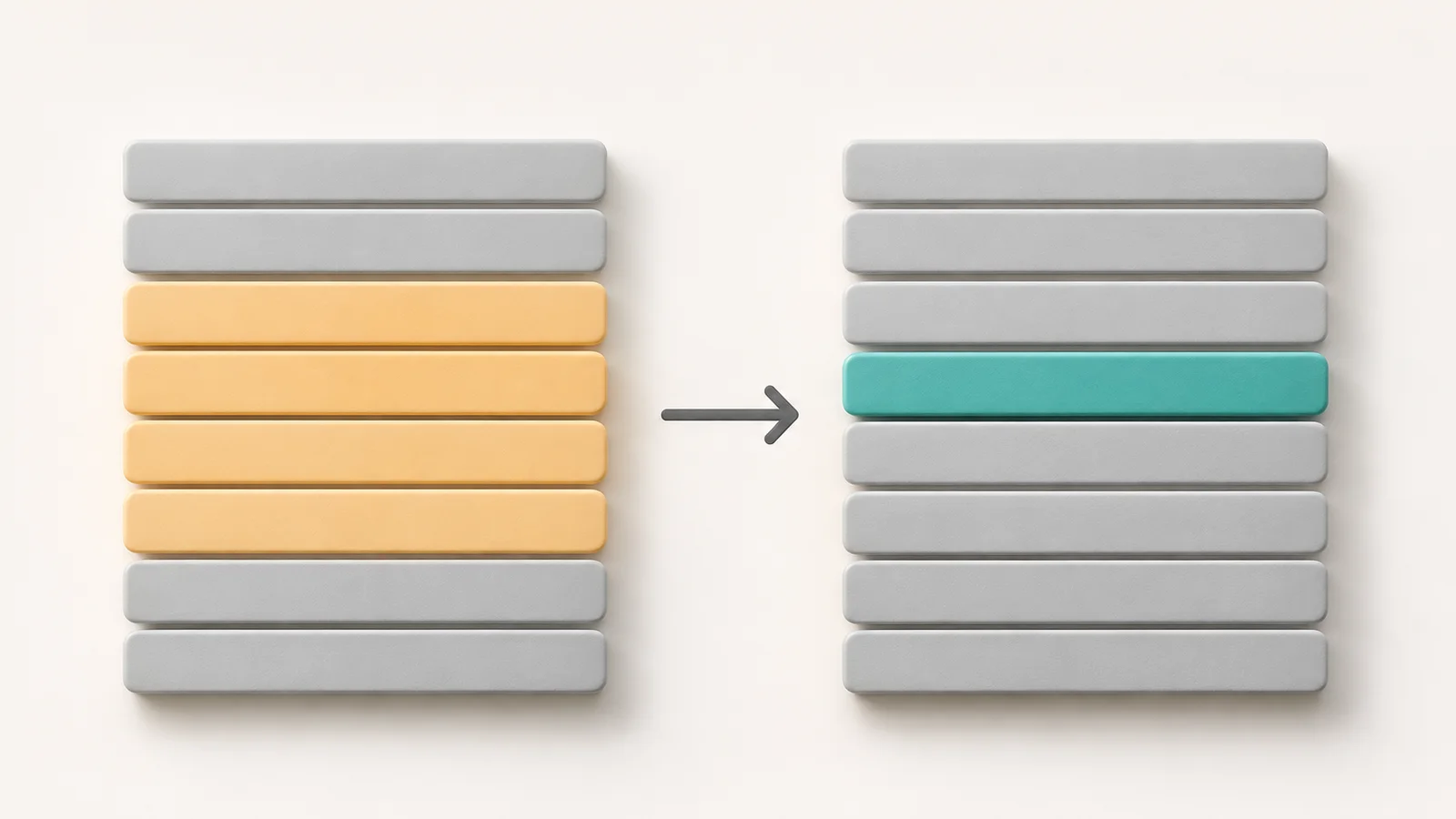
Snowflake makes SQL controls for Iceberg table properties generally available
Data teams can set Parquet file-size targets and snapshot-age limits at creation, then change or remove supported settings on eligible tables.

Snowflake made SQL controls for Apache Iceberg table properties generally available for tables it manages and externally managed tables it can write to.
Teams can assign supported properties as key-value pairs in the TABLE_PROPERTIES clause of CREATE ICEBERG TABLE. On existing tables, ALTER ICEBERG TABLE uses SET TABLE_PROPERTIES to add or change eligible properties and UNSET TABLE_PROPERTIES to remove eligible properties by name. Removing a property that maps to a Snowflake setting also clears that setting at the table level.
Snowflake maps a write.target-file-size-bytes value of 100,000,000 bytes to a 64 MB target for Parquet data files. For writable externally managed tables, the external catalog keeps the original byte value.
The Iceberg property history.expire.max-snapshot-age-ms sets an age limit for snapshots, which record earlier states of a table. Snowflake rounds the value up to whole days for DATA_RETENTION_TIME_IN_DAYS, subject to account and edition limits. On externally managed tables, that Snowflake setting governs access to past data through Time Travel and the window for restoring a dropped table.
Snowflake’s SYSTEM$READ_ICEBERG_TABLE_PROPERTY function reads a named property or all properties stored in the table’s metadata.
Snowflake accepts format-version through TABLE_PROPERTIES only at creation. In a database linked to an external catalog, Snowflake can use the clause only if the database allows property updates.
More news

Snowflake makes error logging and CHECK enforcement generally available for Snowpipe and COPY INTO
Google Cloud details how AlloyDB Omni calls local models from SQL

Google Cloud details AI-generated metadata preview for Cloud Storage