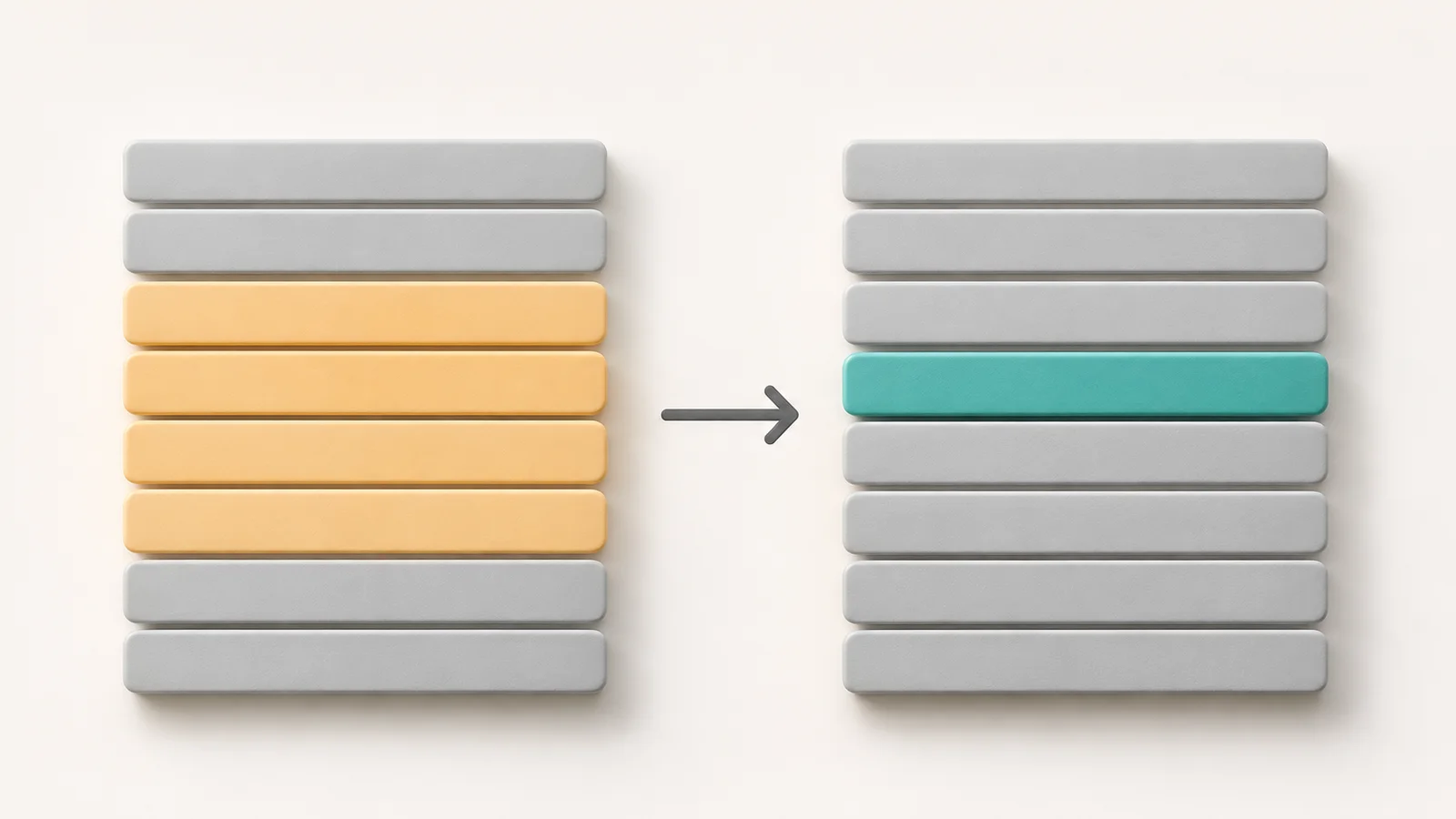
Snowflake makes error logging and CHECK enforcement generally available for Snowpipe and COPY INTO
With logging enabled, supported loads can record why CSV, JSON and Parquet rows were rejected so engineers can fix and reload them using SQL.

Snowflake made error logging and CHECK constraint enforcement generally available for bulk COPY INTO and file-based Snowpipe, its service for loading staged files. Both loading paths enforce CHECK constraints defined on supported destination tables.
A CHECK constraint can test whether a quantity is greater than zero. Snowflake rejects a row if the rule evaluates to false, even with logging disabled. The load’s ON_ERROR setting determines whether it continues, skips the file or stops.
Table owners can enable error logging with ALTER TABLE … SET ERROR_LOGGING = TRUE for standard tables, including transient tables, or with ALTER ICEBERG TABLE … SET ERROR_LOGGING = TRUE for Snowflake-managed Apache Iceberg tables. With ON_ERROR = CONTINUE, valid rows can load while the error table records rejected rows from supported CSV, JSON and Parquet loads, including loads that transform the data. For Iceberg, logging applies to FULL_INGEST loads into Snowflake-managed tables.
Snowpipe defaults to SKIP_FILE. With logging enabled for a supported load, it records one error for each file skipped because of a row error. Direct COPY INTO defaults to ABORT_STATEMENT, which stops the load without writing error-table entries.
Engineers can query the error table with ERROR_TABLE to see the code and message for parse errors, conversion errors and constraint violations. Entries also carry a timestamp and usually the source record as CSV or JSON text, or as a JSON representation of a Parquet record. A direct load can be traced by query ID and a Snowpipe load by pipe name.
File names and record numbers appear when Snowflake can determine them. Large Parquet records can be truncated.
For loads that continued, Snowflake documents selecting only the affected rows from the error table, correcting them, reapplying any original conversions or transformations, and writing them to the target with INSERT INTO … SELECT. Before retrying a skipped file, Snowflake says to check the load history for a later successful load. A file that still needs loading is retried with COPY INTO and ON_ERROR = CONTINUE before correcting and inserting any remaining rejected rows.
Snowflake charges its standard storage rate for data kept in the error table.
More news

Snowflake makes SQL controls for Iceberg table properties generally available
Google Cloud details how AlloyDB Omni calls local models from SQL

Google Cloud details AI-generated metadata preview for Cloud Storage