Reducing NLP Inference costs through model specialisation
This talk will discuss ways to reduce costs for NLP inference through a better choice of model, hardware, and model compression techniques.
Practical ways to reduce NLP inference costs through model specialisation, achieved with a better choice of model, the right hardware, and a range of model compression techniques applied together.
More from the studio
 1:01:41
SF DEMO NIGHT 🚀 (w/ The AI Collective)
Six startup teams present live AI demos spanning interactive avatars, executive communication, home services, autonomous-agent security, enterprise operations, and personal intelligence, followed by audience Q&A and community voting.
 Dmytro Spodarets·Sep 18, 2026
 17:58
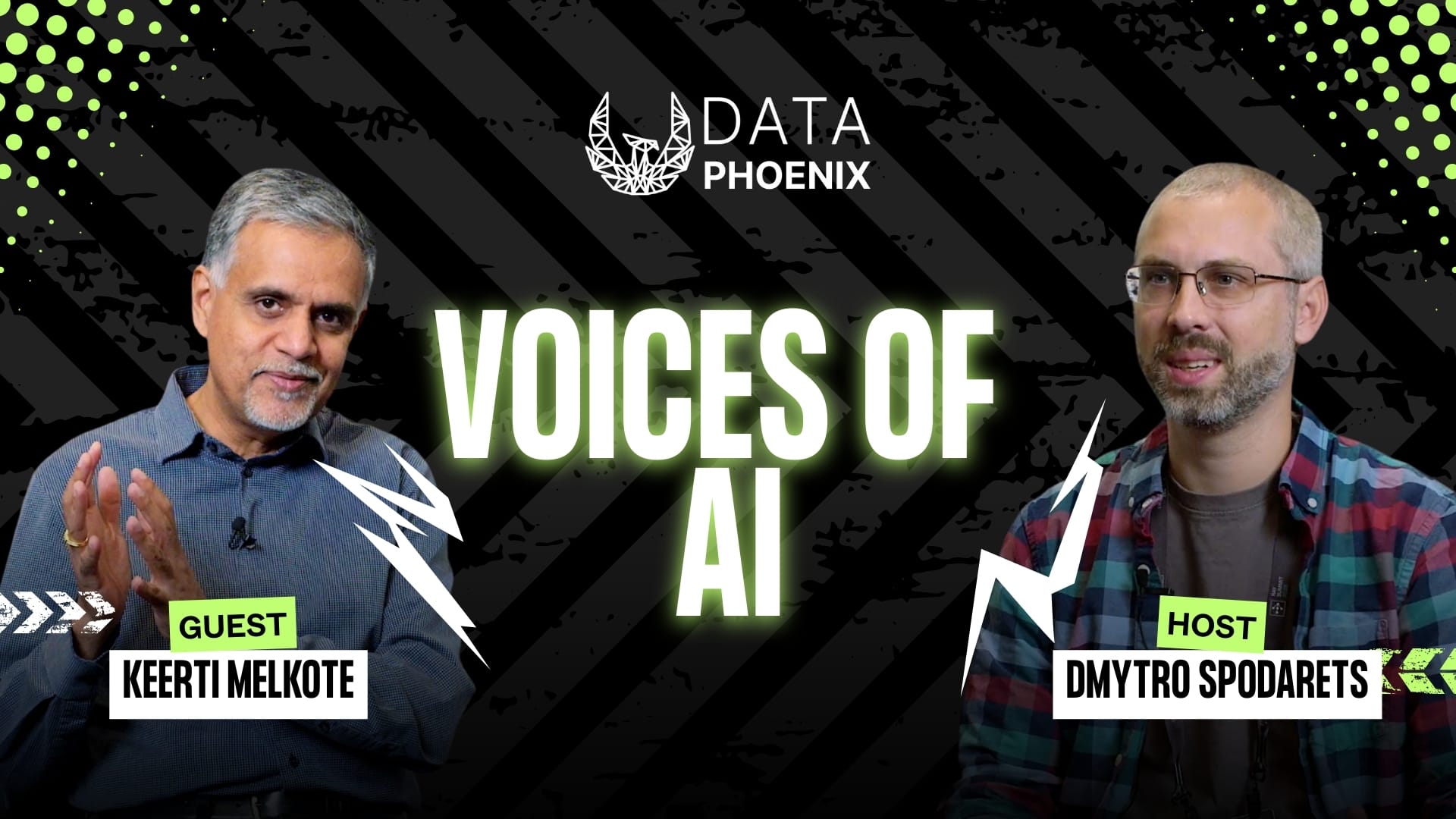
17:58Interview with Keerti Melkote: Anyscale Azure Integration and the Future of Ray
At Ray Summit 2025, Dmytro Spodarets speaks with Keerti Melkote about Anyscale, Ray, and the new Azure integration. The interview covers enterprise AI workloads, GPU challenges, agentic systems, and the future of scalable AI infrastructure.
Dmytro Spodarets·Nov 24, 2025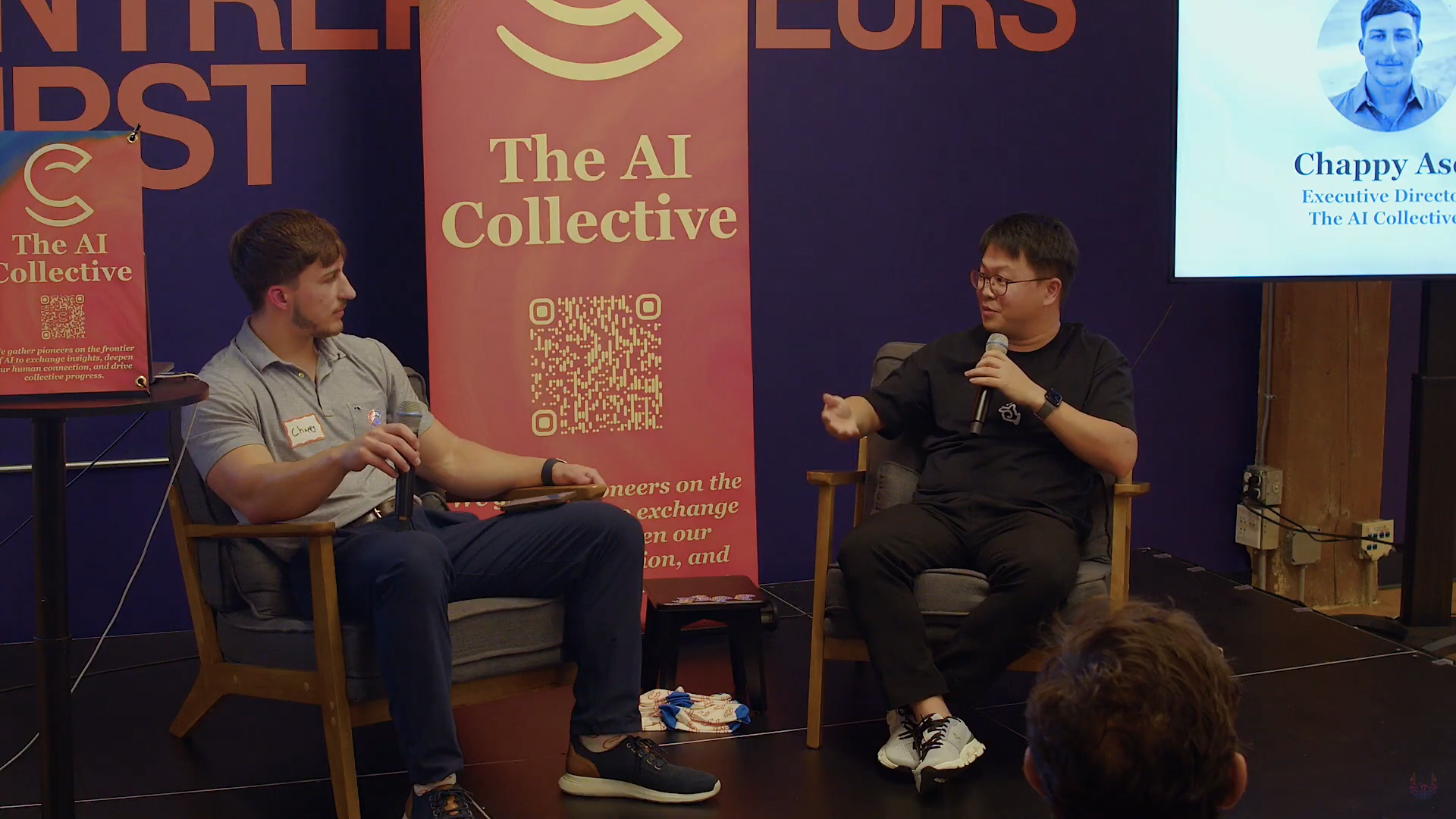 38:39
38:39Manus vs OpenAI: How a Startup Is Beating the Giants in the AI Agent Race
Tao Zhang of Manus AI shares how the startup is taking on OpenAI in the agent race, revealing product insights, strategy, and the future of intelligent tools.
Dmytro Spodarets·Jul 21, 2025