DeepSeek releases Harness, an open-source agent-coding framework rivaling Claude Code
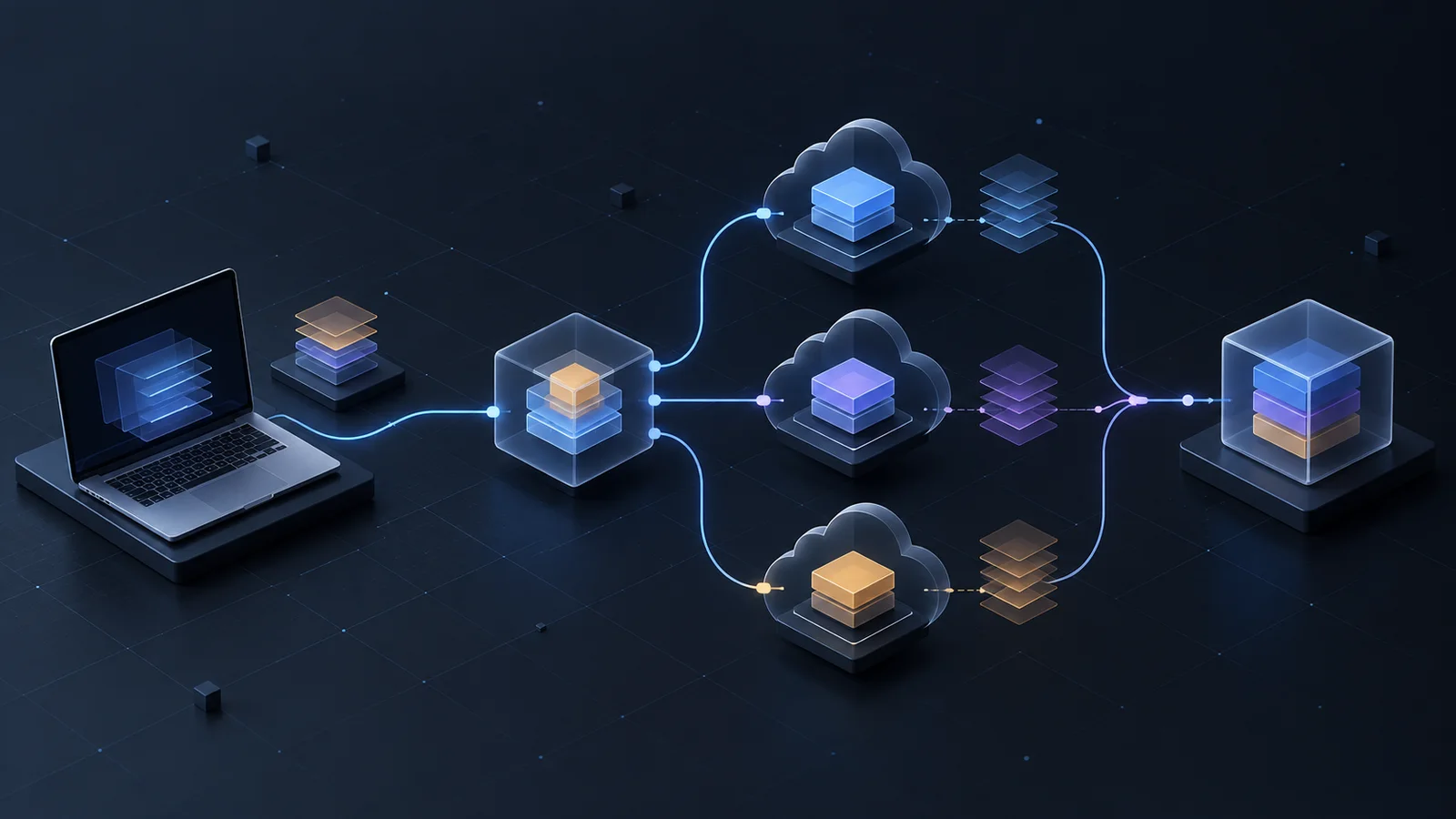
DeepSeek released Harness v0.1, an open-source, MIT-licensed framework for building AI coding agents, positioned as a rival to Anthropic's Claude Code.
DeepSeek released Harness v0.1 in developer preview on August 13, 2026, an open-source, MIT-licensed framework for building AI coding and agent harnesses, pitched as an open alternative to proprietary tools such as Anthropic’s Claude Code. DeepSeek describes the project on its Harness site.
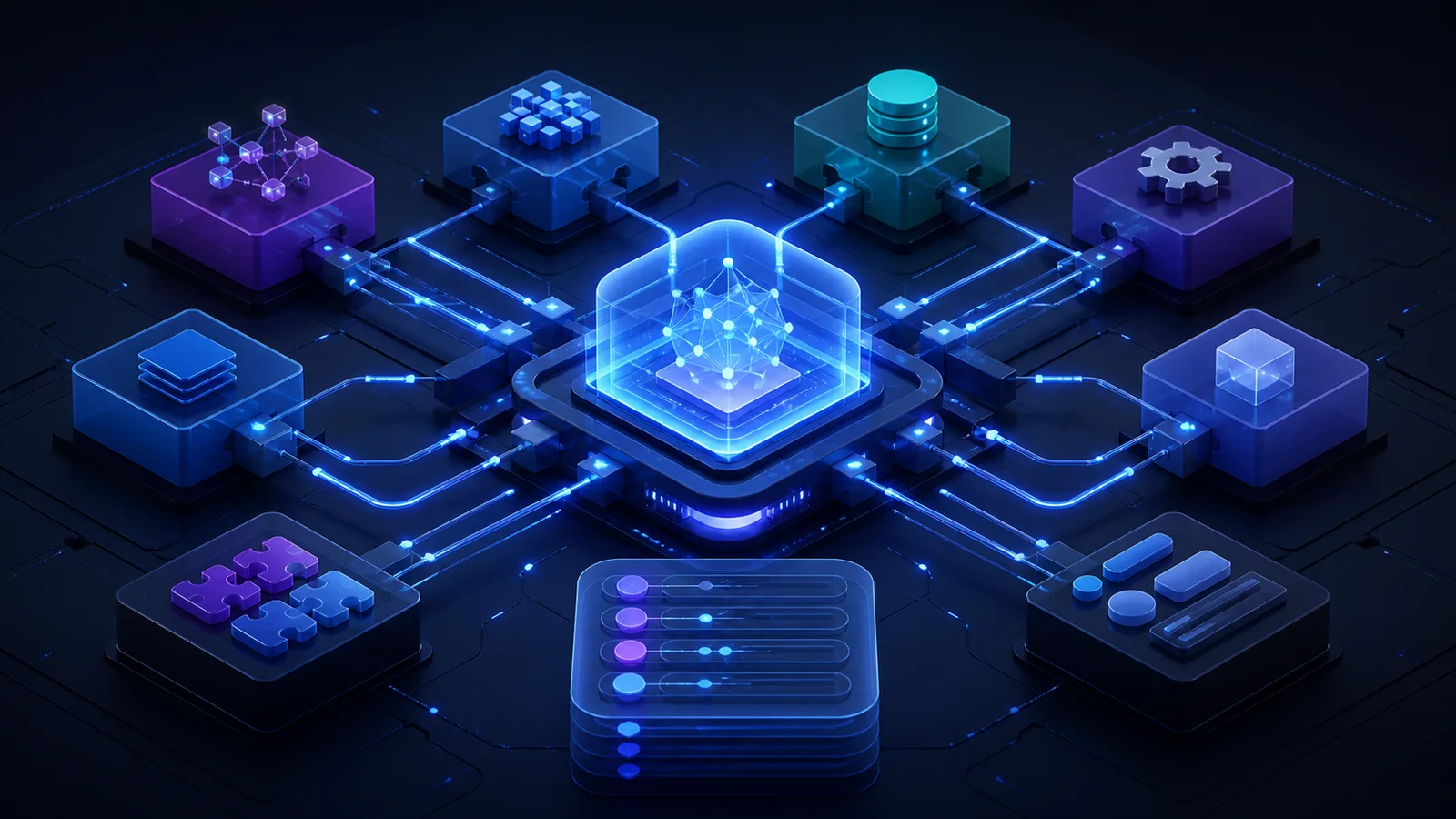
The design principle is that ‘everything is a plugin.’ Models, tools, skills, sessions, sandboxes, storage, agent loops, scheduling, and the user interface are all swappable components — which DeepSeek calls ‘Cordis’ plugins — that can be replaced without touching the framework’s source code.
Harness logs every step of a session, including system prompts, reasoning, tool calls and their results, subagent scheduling, and context injections, in an append-only log that supports inspecting, resuming, forking, and replaying a run. It ships with Standard, Code, Minimal, and Creator runtime modes and is implemented in TypeScript on Node.js.
The release taps clear developer demand for open alternatives to proprietary coding agents: the GitHub repository had drawn roughly 27,500 stars and 2,000 forks by launch day, according to reporting. DeepSeek warns in the repo that breaking changes are expected before a stable release.
Early stars measure curiosity, not durability. A v0.1 preview with an unstable API is a long way from production use, and the plugin-everything design that makes Harness flexible also pushes complexity onto the developers assembling it. Whether it becomes a real Claude Code rival depends on whether that ecosystem of Cordis plugins actually materializes.
More news

ArtCraft publishes source and downloads for seven Rust creative apps
Meta opens Muse Gadget SDKs for ESP32 and Linux
OpenClaw releases open-source control plane for enterprise agents