OpenAI study finds workers repeat ChatGPT tasks tied to other occupations
OpenAI says a four-month analysis of more than 1.5 million work-related ChatGPT messages found recurring use of tasks associated with other occupations.
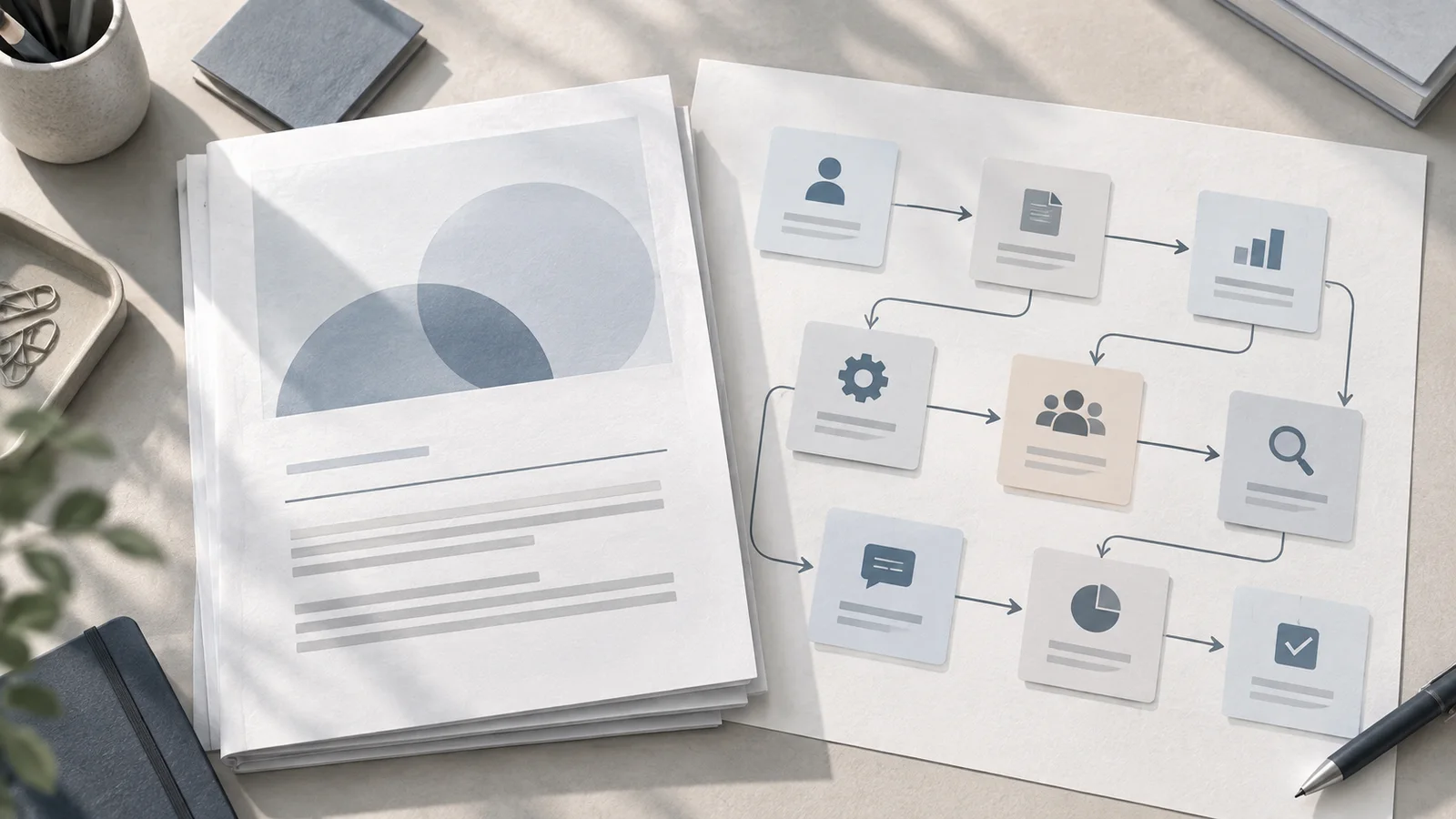
OpenAI said its four-month analysis of work-related ChatGPT messages found that some workers repeatedly used the service for tasks associated with occupations other than their own. The company said the pattern could point to broader jobs, though the study did not establish that workers’ formal duties or job titles changed.
Among about 6,200 workers observed consistently from April through July 2026, previously used cross-occupation tasks rose from 13.1% of sampled non-generic messages in April to 25.9% in July, averaged across workers, according to OpenAI’s report. OpenAI noted that the pool of tasks eligible to count as recurring expanded as workers tried new activities.
The study analyzed more than 1.5 million work-related messages from individual ChatGPT accounts held by U.S.-registered users who also had linked ChatGPT Business accounts. OpenAI said it inferred occupations and workspace membership from onboarding information and linked account records, but excluded messages sent through Business accounts.
OpenAI said it randomly sampled conversations, retained messages classified as work-related, and excluded users who opted out of training and messages marked training-disabled. Automated systems removed personally identifiable information and assigned labels, while researchers used hashed identifiers and did not read individual conversations, according to the company’s study announcement.
For classification, OpenAI mapped each eligible message to the single detailed work activity in the O*NET occupational taxonomy that best matched the task. It then compared occupations associated with that activity with the user’s stated occupation across nine broad occupation groups.
The label does not show that a task fell outside a worker’s actual job. The report says a cross-occupation activity may already have been part of that person’s responsibilities, and its measures cover observed AI use rather than all work or time spent working.
In a matched comparison, workers observed using a particular cross-occupation task in one month used it again the next month in 23.6% of observations. The rate was 8.4% among workers in the same broad occupation with similar next-month AI activity who had not been observed using that task in the starting month, a 15.2 percentage-point gap.
OpenAI also reported an 18.5% average return rate in the month after first observed use across eligible worker-task combinations. The reported rates included 54% for customer communication, 44% for advertising or promotional writing, 37% for creating marketing materials, 15% for explaining financial information, 15% for presenting business information and 10% for legal research.
Cross-occupation prompts averaged about 20 characters shorter than the same workers’ within-occupation prompts, OpenAI said. They were less likely to request explanations, instructions, formatting or advice, and more likely to include examples or background and ask for checking or verification.
The study examines how workers adapt ChatGPT use as OpenAI expands the product’s workplace functions. That broader product context includes its acquisition of NextSlide to build presentation tools into ChatGPT; the earlier deal does not verify the study’s findings.
OpenAI interpreted the recurrence as consistent with some outside-occupation assistance meeting ongoing work needs and said jobs could broaden if those activities became regular responsibilities.
The company said the selected linked-account population is not representative of the U.S. workforce. The recurrence analysis required at least 10 sampled messages per month, could miss use in conversations that were not sampled, and measured neither output accuracy nor successful task completion. The underlying messages, classifications and matching procedure were not independently available for replication, and the four-month window does not show whether the pattern persists longer.
More news

OpenAI broadens Albertsons AI partnership around Safeway shopping

OpenAI and AARP group launch ChatGPT workshops for 1,000 older adults
OpenAI says ChatGPT Ads reached a $1 billion annualized run rate